
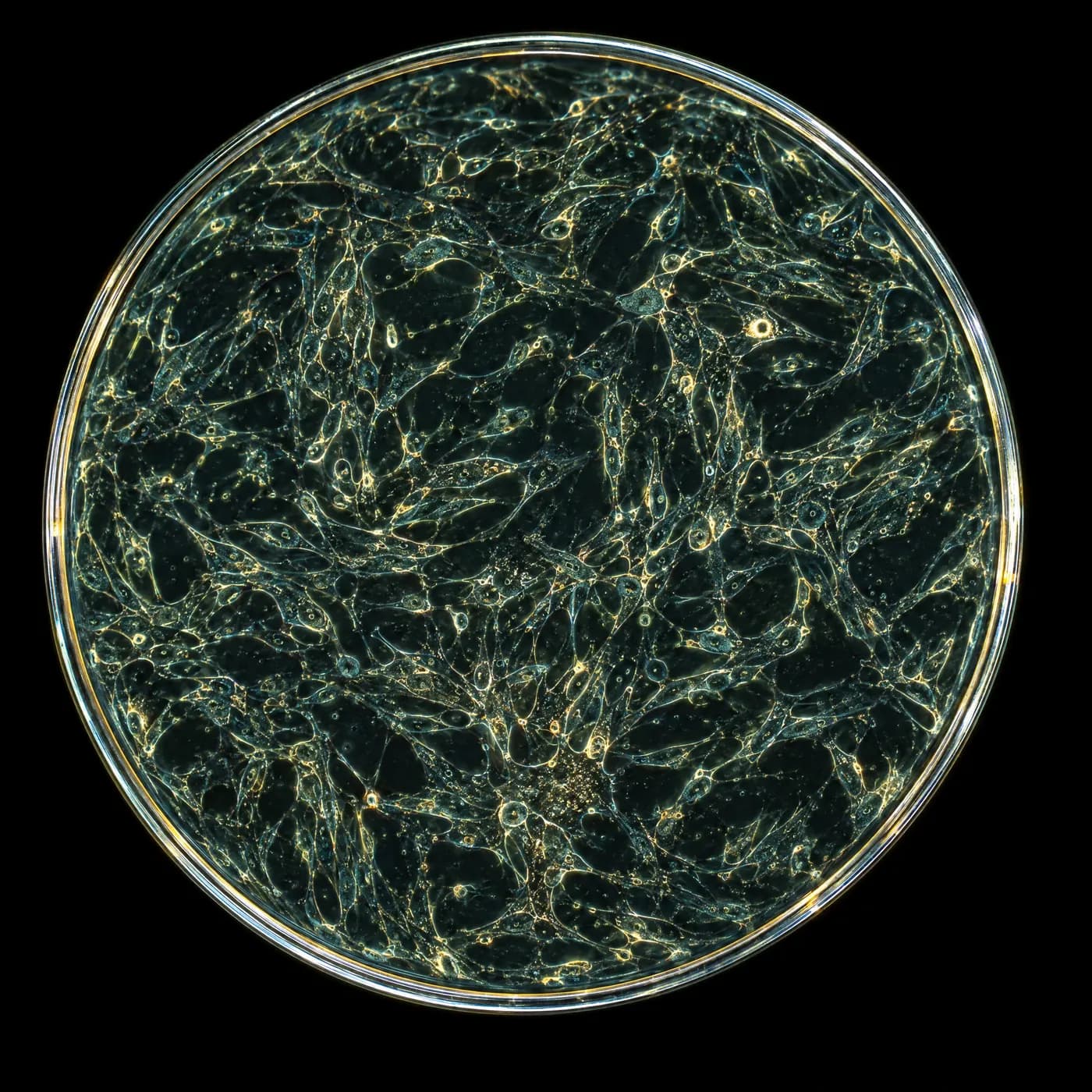
PNC-27
Peptide built from the HDM-2-binding region of p53 · targets HDM-2 on cancer-cell membranes
PNC-27 is a 32-amino-acid peptide that joins a fragment of the tumor-suppressor protein p53 to a membrane-anchoring leader. In cell culture its action started at the membrane, where it bound HDM-2 on the surface of some tumor cell lines and formed pores.
Buy PNC-2710 mg vial
Ki Researcher is affiliated with Ki Peptides.
Ships to the US only. Buyers must be 21 or older.
The short version
HDM-2 is a protein that normally stays inside cells. In the studies behind PNC-27, it also showed up on the outer membrane of several tumor cell lines, but not on the untransformed cells tested.
PNC-27 bound that surface HDM-2 and formed pores in the membrane. The research so far used cell culture, patient-derived cells and mice.
How it works
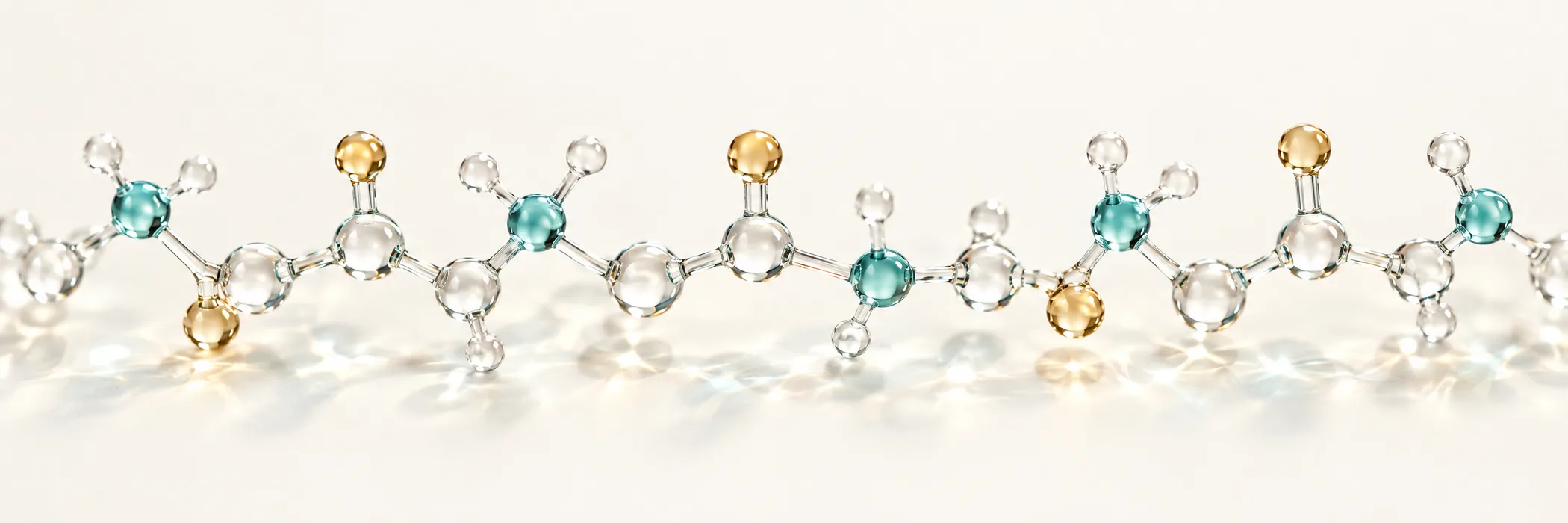

Two halves, one job. PNC-27 is a 32-amino-acid chimera. The first half is residues 12 to 26 of human p53, which binds HDM-2. The second is a 17-residue Antennapedia leader, not the classic penetratin sequence, that parks the peptide in the membrane.
Docks on the cancer membrane. Cancer cells carry HDM-2 in the plasma membrane. Normal cells do not. The p53 half binds it, the bound peptides fuse into transmembrane pores, and the cell spills its contents and dies by necrosis, not apoptosis.
What the lab work shows. In the lab that designed it, cancer lines died while untransformed lines survived. Electron microscopy showed pore-like structures, and HDM-2 turned up in cancer-cell membranes. A 2024 paper adds a mitochondrial-membrane component.
Sources:PMID 20080680PMID 20182728PMID 35625682PMID 38802154
Side effects and what to watch

What people notice. Nothing is on record; the studies ran in cell culture and mice.
Contamination has been found. In January 2017 the U.S. Food and Drug Administration warned the public not to use PNC-27, after sold samples tested positive for two bacteria, Variovorax paradoxus and Ralstonia insidiosa.
A death has been reported. A case report describes a patient who suffered a massive gastrointestinal hemorrhage from a gastric ulcer and died while using PNC-27, and its authors do not claim the peptide caused the bleed.
Take care with sterility. Contamination, infection and immune reactions are the usual risks of any injected material.
Common questions
Why does PNC-27 bind some cells and not others?
It reads the membrane. Cancer cells carry HDM-2 on the outer surface and normal cells keep it inside. The p53 half of PNC-27 binds that surface HDM-2, so only cells displaying it get pores.
What has the research found?
In cell culture, cancer lines ruptured while untransformed lines survived. Patient-derived ovarian cancer cells were killed too. In mice carrying human tumors, the pivotal result belongs to the shorter analog PNC-28.
Why do cells rupture instead of dying by apoptosis?
The membrane leader. On its own the p53 fragment drives apoptosis, the cell's orderly shutdown. Anchored in the membrane, the peptide forms pores instead and the cell dies by necrosis, spilling its contents.
How does PNC-27 differ from PNC-28?
Both carry the same membrane-anchoring leader. PNC-27 holds p53 residues 12 to 26. PNC-28 is shorter, residues 17 to 26, the same stretch minus its first five. See PNC-28.
How is it dosed?
The amounts on record are the research doses given to mice. Mouse amounts do not convert to a person, so this page gives the research record rather than a schedule.
Deep dive
Doses used in studies · Molecular identity · References
04From the researchDoses used in studies
These are the studies behind PNC-27, run in cell culture, in patient-derived cells and in mice.
| Dose | Route | Model | Outcome | Sources: |
|---|---|---|---|---|
| In vitro | Cell culture | Human cancer cell lines (e.g. MIA-PaCa-2 pancreatic, A2058 melanoma) vs untransformed cells | Reported selective necrosis of cancer cells (LDH release) sparing the normal cells tested; binds membrane HDM-2 | PMID 20080680 |
| In vitro | Cell culture | MCF-7 vs MCF-10-2A breast cells | Reported to act as the intact peptide to lyse cells via membrane pores | PMID 20182728 |
| Ex vivo | Patient-derived cells | Patient-derived ovarian cancer cells (ex vivo) | Reported cytotoxicity ex vivo | PMID 26663795 |
| Animal | Intraperitoneal (mice) | Nude-mouse xenografts | In-vivo data for PNC-27 itself are limited; the pivotal animal-efficacy result is for the shorter analog PNC-28 (pancreatic xenografts); see PNC-28. Mouse doses are not human-transferable | |
| Human | Not applicable | None | No human clinical trial, pharmacokinetic, safety, or efficacy data exists. FDA warned against use (2017); a fatal case report exists during unapproved use | FDA safety alert, Jan 2017 |
05ChemistryMolecular identity
- Molecular weight
- ≈ 4032 g/mol
- Molecular formula
- C188H293N53O44S
- Monoisotopic mass
- 4029.2040 Da
- PubChem CID
- 16201774
- CAS number
- 1159861-00-3
- Human clinical trials
- None (0 registered)
- Sequence (32 aa)
- PPLSQETFSDLWKLLKKWKMRRNQFWVKVQRGPubChem CID 16201774 / PMID 20080680
- Structure / class
- Chimeric p53(12–26)–HDM-2-binding peptide + Antennapedia membrane-residency peptide (MRP)PMID 20080680
- Construct
- p53 residues 12–26 (PPLSQETFSDLWKLL) fused to an Antennapedia-derived membrane-residency leader (KKWKMRRNQFWVKVQRG), not classic penetratinPMID 20080680
- Molecular target
- Membrane-localized HDM-2 (MDM2) on cancer cells → transmembrane pore formation / necrosisPMID 20080680 / PMID 35625682
- Half-life
- Not established (no human pharmacokinetic data)Not established
- Regulatory status
- Research chemical; no human trials; not FDA-approved (FDA safety alert, Jan 2017, warned the public not to use it); sold as research material onlyFDA / ClinicalTrials.gov
- Evidence tier
- Preclinical only (in vitro + nude mice); single research group; the anticancer result is not independently replicatedResearch literature
06Primary sourcesReferences
- PMID 20080680Sarafraz-Yazdi et al., PNAS 2010;107(5):1918–23 (PNC-27 binds membrane HDM-2; selective cancer-cell necrosis, in vitro)
- PMID 20182728Sookraj et al., Cancer Chemother Pharmacol 2010;66(2):325–31 (acts as the intact peptide to lyse cells via membrane pores)
- PMID 26663795Ann Clin Lab Sci 2015;45(6):650–8 (PNC-27 cytotoxicity in patient-derived ovarian cancer cells, ex vivo)
- PMID 35625682Sarafraz-Yazdi et al., Biomedicines 2022;10(5):945 (membrane-pore/lysis model; primary research from the originating lab, not an independent review)
- PMID 38802154Krzesaj et al., Ann Clin Lab Sci 2024;54(2):137–148 (membrane-HDM-2 + proposed mitochondrial disruption; same lab + Nomocan affiliation)
- FDA safety alert, Jan 2017FDA safety alert (January 2017). Consumers warned not to use PNC-27; sold samples were contaminated with Variovorax paradoxus and Ralstonia insidiosa
- Am J Gastroenterol 2017;112(Suppl 1) (ACG abstract)Case report (conference abstract): 'Experimental PNC-27 Therapy and Massive GI Hemorrhage'. Fatal outcome during unapproved use; causation not established
- ClinicalTrials.govClinicalTrials.gov. 0 registered trials for PNC-27 (and 0 for PNC-28), verified 2026-06-03
PNC-27
10 mg vial
Ki Researcher is affiliated with Ki Peptides.
Ships to the US only. Buyers must be 21 or older.
Reviewed by Ki Researcher Team · Research use only · Not medical advice · Updated 2026-10-19