
Melanotan 2
Cyclic melanocortin agonist · pigmentation & sexual health
Melanotan 2 is a lab-made, ring-shaped copy of α-MSH (alpha-melanocyte-stimulating hormone), the pigment hormone. People run it for a deeper tan and a stronger libido from one compound. Early human studies showed tanning and erections, and it's the parent molecule of the approved drug PT-141.
Buy Melanotan 210 mg vial
Ki Researcher is affiliated with Ki Peptides.
Ships to the US only. Buyers must be 21 or older.
At a glance
- Dose
- 0.25-0.5 mg loading, then 0.5-1 mg maintenance
- How often
- Daily for 1-2 weeks, then once or twice a week
- How
- A small injection under the skin
- When
- Evening for tanning; 1-2 hours before activity for the sexual dose
- Cycle
- 4-6 weeks loading, then maintenance or a 4-6 week break
The 30-second versionEverything on this page, fast
Tanning · Libido · Melanocortin Agonist · PT-141 Precursor
The two-in-one tanning and libido peptide. It darkens skin and drives libido and erections from one compound, and it's the parent molecule of the approved drug PT-141.
The basics
- A synthetic, ring-shaped copy of α-MSH that turns on pigment through MC1R and libido, erections and appetite through MC4R. It's injected under the skin, not taken by mouth.
- Both the tanning and the erectile effects were shown in human studies in the 1990s-2000s, and it is the molecule the approved drug PT-141 was derived from.
Why people use it
- A deeper tan with less sun. The effect that made it popular. Through the skin's MC1R receptor it drives eumelanin, the pigment behind a tan. It darkens moles too, so watch them.
- Libido and erections on demand. Human trials showed erections and more sexual desire, driven by the brain's MC4R receptor. Some dose it before activity.
- A smaller appetite. MC3R and MC4R signaling reduces appetite, a third effect some users notice.
- Broad reach, more care. It works on several melanocortin receptors at once. That's why it does more than a selective peptide, and why it calls for more monitoring.
Stacks well with
- PT-141 is the approved, cleaner pick for the sexual effect alone. It doesn't darken skin.
- Melanotan 1 is the tanning-focused cousin. Running the two together adds receptor activity, nausea and melanocyte stimulation.
Good to know
- Nausea, facial flushing and yawning are expected after a dose, not an allergic reaction.
- It darkens existing moles and freckles and can trigger new ones. Any new or changing mole is worth a dermatologist visit.
- Spontaneous and sometimes prolonged erections are common. One lasting past 4 hours is a urologic emergency.
What it does
People run Melanotan 2 for a deeper tan and a lift in libido and erections, from the same compound.
- Tan and libido from one compoundIt hits MC1R on skin cells and MC4R in the brain, so it tans skin and lifts libido and erections.
- A deeper tan with less sunMC1R activation drives eumelanin synthesis, building more pigment for a given amount of UV.
- Libido and erections on demandSmall early human trials showed the arousal effect, driven by MC4R in the brain.
- A smaller appetite as a bonusMC3R and MC4R signaling reduces appetite in research, and some users notice the same.
- The molecule behind an approved drugMelanotan 2 is the parent compound of bremelanotide (PT-141), the approved sibling for the sexual effect.
How it works
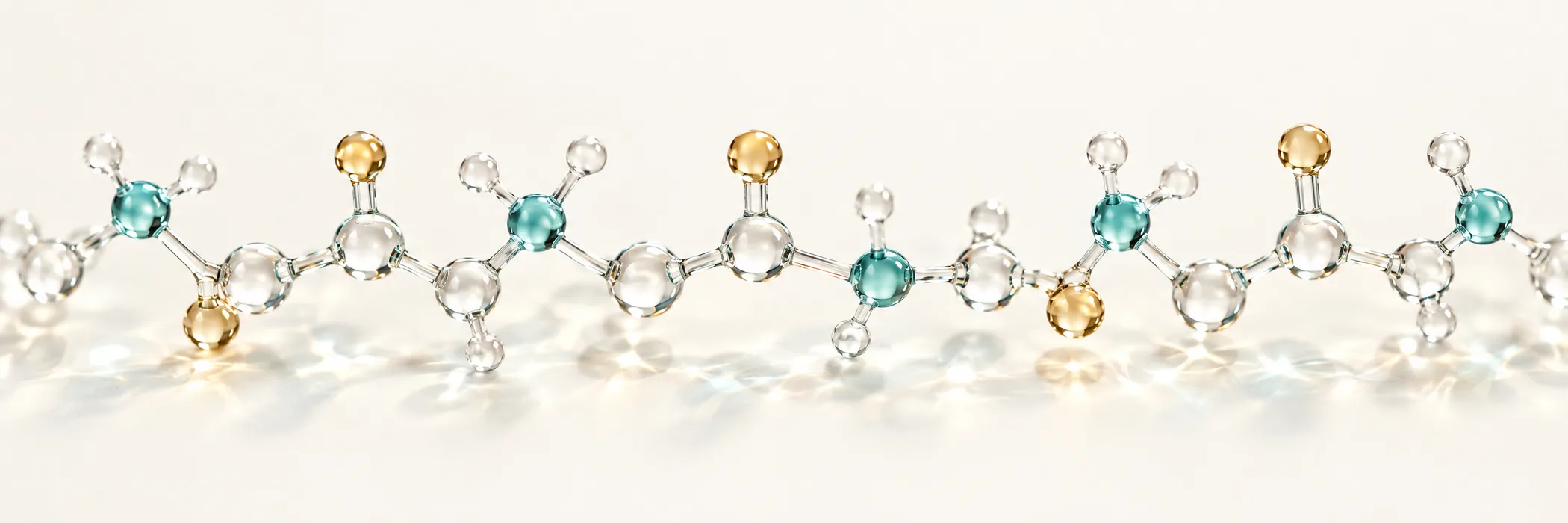
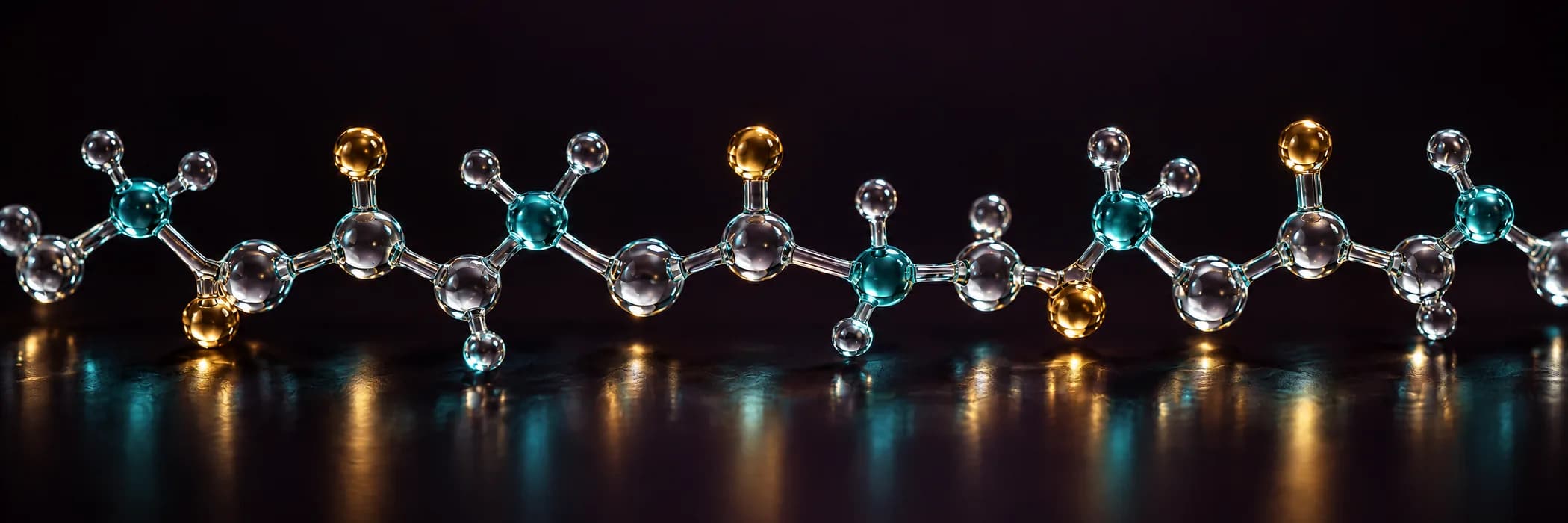
A cyclic copy of α-MSH. Melanotan 2 closes the core melanocortin sequence into a ring, with the ends capped (N-acetyl, C-amide). That change makes it far more potent and stable than the natural hormone it copies.
Hits two receptors that matter. It's a non-selective agonist across the melanocortin receptors. MC1R on skin cells drives tanning. MC4R in the brain drives the erectile and appetite effects.
Parent of an approved drug. Melanotan 2 is the molecule bremelanotide (PT-141) was built from, by swapping its C-terminal amide for a free acid to shift the effect toward MC4R. It's also distinct from afamelanotide (Melanotan 1), a different, more selective α-MSH analog.
Sources:PubChem CID 92432PMID 9760697PMID 8637402PMID 9679884
How to dose it
Most people run Melanotan 2 (MT-2) as a small injection under the skin (subcutaneous), the route every human study used.
Dose tiersMost people load daily for 1-2 weeks, then hold once or twice a week.
- Loading:
- 0.25-0.5 mg subcutaneously once a day for 1-2 weeks to build melanin. Most people start at 0.25 mg to check tolerance.
- Maintenance:
- 0.5-1 mg subcutaneously once or twice a week, once the tan is established.
- Sexual-function dose:
- 0.025 mg/kg as a single subcutaneous dose, the range used in the erectile-function studies. That's about 1.875 mg for a 75 kg person.
- Danger ceiling:
- A published 6 mg single dose caused rhabdomyolysis. Stay well clear of it.
How to injectA small injection into belly, thigh or love-handle fat, rotating sites.
- Injection site:
- Abdomen (two inches clear of the navel), outer thigh or the love-handle area. Rotate sites between doses to avoid irritation and lumps.
- Measuring the dose:
- On a U-100 syringe. At 10 mg + 2 mL bacteriostatic water, 250 mcg takes 5 syringe units, 500 mcg takes 10 units and 1,000 mcg takes 20 units.
- Time of day:
- Evening is common for the tanning dose, so nausea passes overnight. The sexual-function dose goes in 1-2 hours before activity.
- Food window:
- Meals don't affect absorption. Some take it with food to ease nausea.
Cycle and breaksMost load for 4-6 weeks, then hold or take a break, since continuous use adds up.
- Cycle length:
- 4-6 weeks of loading, then drop to maintenance or stop.
- Washout:
- A 4-6 week break before the next cycle. Check moles monthly, on and off cycle.
- No indefinite use:
- There's no studied schedule for continuous, indefinite use.
Mixing the vialThe standard 10 mg vial at a glance. The calculator handles any other size.
- Mixing:
- 10 mg plus 2 mL bacteriostatic water makes 5,000 mcg/mL. On a U-100 syringe, 250 mcg takes 5 units, 750 mcg takes 15 units and 1,000 mcg takes 20 units.
- Why 2 mL:
- It maps the typical 250–1,000 mcg range onto 5–20 units, easy to measure, with fewer errors at lower doses.
Sources:PMID 8637402PMID 9679884PMID 11018622PMID 23121206PMID 23537392
Best time to take it


Implied best time
Evening
Most people take the tanning dose in the evening so nausea passes overnight, and time the libido dose before activity.
- Nausea and flushing are the main effects after a dose, and they rise with the dose. An evening dose lets them pass while you sleep.
- For the libido effect, some dose as needed instead, about 1-2 hours before activity.
What to stack it with


MT-2 has two melanocortin relatives people compare it to. Running more than one adds receptor activity along with the benefit.
PT-141 for the sexual effectPT-141 is the approved drug built from MT-2 for sexual desire, with no tanning.
- Why it's cleaner:
- PT-141 (bremelanotide) swaps MT-2's C-terminal amide for a free acid, shifting activity to MC4R and away from skin pigment.
- Dosing:
- PT-141 runs 1.25 mg intranasal or 1.75 mg subcutaneous, 45 minutes before. MT-2's dose for the same effect is 0.025 mg/kg, about 1.875 mg for 75 kg.
- The tradeoff:
- MT-2 adds the pigmentation and mole-change effects on top; PT-141 doesn't tan skin at all.
Melanotan 1 for tanning onlyMelanotan 1 (afamelanotide) is the MC1R-selective cousin, approved for a rare light-sensitivity condition.
- Key difference:
- Melanotan 1 is linear, not cyclic, and selective for MC1R, so it tans without MT-2's MC4R sexual and appetite effects.
- Why not combine:
- Running MT-2 with another melanocortin doesn't clean up the profile. It adds more receptor activation, more nausea and more melanocyte stimulation.
- The takeaway:
- Melanotan 1 and PT-141 are each approved for one well-defined use; MT-2's non-selective profile is why it can do more, and why it needs more care.
Support nutrients
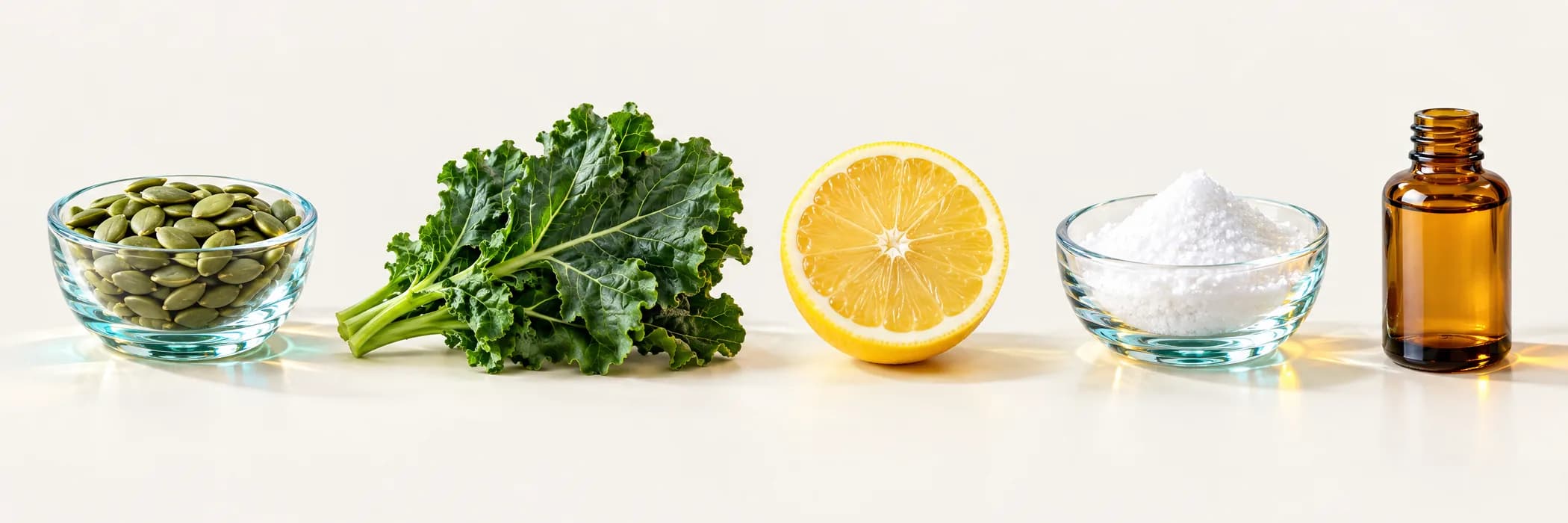
Two kinds of support on MT-2. Watch your skin as it darkens moles, and give the melanin pathway its usual building blocks.
Mole and skin checksWatch your skin, since MT-2 darkens moles and can trigger new ones.
- Why it matters:
- MT-2 stimulates melanocytes everywhere, so the case reports of new moles and melanoma follow directly from that. Check your skin monthly.
- When to see a dermatologist:
- Any new mole, or one that changes size, shape, color or border, is worth a prompt check, especially with UV exposure.
- Watch for:
- Nausea and flushing are expected. Raised blood pressure and heart symptoms are reported. An erection past 4 hours, or agitation, muscle pain and dark urine after overdose, need emergency care.
Melanin building blocksPigment is built from tyrosine and needs copper. That's standard biochemistry, not an MT-2 study.
- Tyrosine:
- Eumelanin is built from L-tyrosine. Most people get enough from dietary protein; the dose if used is 500-1,000 mg L-tyrosine daily, on an empty stomach.
- Copper:
- Tyrosinase, the melanin enzyme, needs copper. Normal dietary copper (1-3 mg/day) is enough; supplement only if deficient. High-dose zinc depletes it; balance about 2 mg copper per 50 mg zinc.
- UV still needed:
- UV light is what switches on MC1R and produces the pigment; without it there's little tan to show for it.
Dose calculator
Reconstitution calculator
Calculated for a 1 mL U-100 insulin syringe (100 units/mL).
Units per dose
5 units
Draw this many units on a U-100 syringe
Each unit holds 50 mcg
- Volume per dose
- 0.05 mL
- Doses per vial
- 40
- Concentration
- 5 mg/mL
One vial lasts
- Daily
- 40 days
- Every other day
- 80 days
- 5×/week
- 56 days
Research use only. Not for human consumption. Outputs are reference values based on research literature. Verify all measurements independently.
Side effects and what to watch
What people notice. Nausea, flushing, yawning and spontaneous erections are the common acute effects of melanocortin activation.
Skin and moles. MT-2 stimulates melanocytes everywhere, so it darkens existing moles and can trigger new ones; melanoma has been reported in users.
After an overdose. A published 6 mg dose caused rhabdomyolysis with kidney injury, plus a racing heart and agitation (sympathomimetic symptoms), and a separate case reports priapism.
How people handle it. Stay inside the dose range, check moles monthly, get any new or changing one seen by a dermatologist, and treat an erection past 4 hours as an emergency.
Sources:PMID 19575725PMID 24334249PMID 24355990PMID 40210573PMID 23121206PMID 23537392
Common questions
What is Melanotan 2?
Melanotan 2 (MT-2) is a synthetic, ring-shaped analog of α-MSH. It's a non-selective melanocortin agonist, MC1R for tanning and MC4R for libido, erections and appetite.
How is Melanotan 2 dosed?
Most people load at 250-500 mcg a day for 1-2 weeks, then hold at 500-1,000 mcg once or twice a week. The acute sexual dose is 0.025 mg/kg, about 1.875 mg for 75 kg. A published 6 mg dose caused rhabdomyolysis.
Do I need to cycle Melanotan 2?
Most people run 4-6 weeks of loading, then drop to maintenance or take a 4-6 week break before starting again. Check your moles monthly, on cycle and off.
How does Melanotan 2 compare to PT-141?
PT-141 (bremelanotide) is the approved, MC4R-selective drug built from MT-2 for the sexual effect only. It runs 1.25 mg intranasal or 1.75 mg subcutaneous, without MT-2's tanning or mole-change effects.
What is Melanotan 2's half-life?
No validated human half-life has been published for Melanotan 2. That's part of why the tanning dose leans on a steady evening habit rather than a precise clock.
Can Melanotan 2 be run with Melanotan 1?
Running melanocortin compounds together adds up their receptor activity rather than combining cleanly. Melanotan 1 is selective for MC1R; pairing it with MT-2 adds MT-2's mole-change risk and other effects on top.
Deep dive
Doses used in studies · Molecular identity · References
10From the researchDoses used in studies
These are the exact doses from the published human studies and case reports below, shown separately from the practical dosing above.
| Dose | Route | Model | Outcome | Sources: |
|---|---|---|---|---|
| Escalating subcutaneous doses (Phase-I) | Subcutaneous | Human, healthy volunteers (Phase-I safety) | Established dose-tolerability and pigmentary response; principal adverse effect was nausea | PMID 8637402 |
| ~0.025 mg/kg | Subcutaneous | Human, psychogenic erectile dysfunction (double-blind crossover, small n) | Produced erections vs placebo | PMID 9679884 |
| Subcutaneous course | Subcutaneous | Human, organic erectile dysfunction (crossover, small n) | Erectogenic effect plus increased sexual desire | PMID 11018622 |
| 6 mg (single overdose) | Subcutaneous | Human, case report (toxicity) | Systemic sympathomimetic toxicity with rhabdomyolysis and renal dysfunction | PMID 23121206 |
| Melanotan II (as marketed) | Subcutaneous | Human, case report (toxicity) | Priapism following overdose | PMID 23537392 |
11ChemistryMolecular identity
- Molecular weight
- 1024.2 g/mol
- Molecular formula
- C50H69N15O9
- Monoisotopic mass
- 1023.5403 Da
- CAS / UNII
- 121062-08-6 · UPF5CJ93X7
- Sequence
- Ac-Nle-c[Asp-His-D-Phe-Arg-Trp-Lys]-NH2 (7 AA, cyclic lactam)PubChem CID 92432
- Structure / class
- Synthetic cyclic α-MSH analog (23-membered Asp–Lys lactam; N-acetyl, C-amide)PubChem CID 92432
- Molecular target
- Melanocortin receptors (non-selective: MC1R/MC3R/MC4R/MC5R)Research literature
- Half-life
- No validated human pharmacokinetics publishedNot established
- Brand / approval
- None. Not approved anywhere; parent molecule of bremelanotide (PT-141/Vyleesi)Research literature
- Regulatory status
- Research chemical; not FDA-approved. FDA/MHRA/TGA have warned against unlicensed melanotan injectionsFDA / MHRA / TGA
12Primary sourcesReferences
- PubChem CID 92432PubChem CID 92432 (Melanotan II; formula, mass, sequence, CAS 121062-08-6)
- PMID 9760697Hadley & Dorr, Pharm Biotechnol 1998 (discovery & development of Melanotan-I and -II at U. Arizona)
- PMID 8637402Dorr et al., Life Sci 1996 (Phase-I human safety/tolerability; subcutaneous dosing; pigmentary response)
- PMID 9679884Wessells et al., J Urol 1998 (Melanotan II in psychogenic erectile dysfunction; double-blind crossover)
- PMID 11018622Wessells et al., Urology 2000 (Melanotan II in organic erectile dysfunction; crossover)
- PMID 11035391Wessells et al., Int J Impot Res 2000 (human Melanotan II erectile-dysfunction study; double-blind crossover, RigiScan)
- PMID 19575725Cousen et al., Br J Dermatol 2009 (eruptive melanocytic naevi after melanotan injection)
- PMID 24334249Schulze et al., Eur J Dermatol 2014 (eruptive naevi + darkening of existing naevi after a single dose)
- PMID 24355990Hjuler & Lorentzen, Dermatology 2014 (melanoma associated with Melanotan-II use)
- PMID 40210573Yassin Alsabbagh et al., Int J Oral Maxillofac Surg 2025 (oral mucosal melanoma associated with Melanotan II nasal spray)
- PMID 23121206Nelson et al., Clin Toxicol 2012 (systemic toxicity + rhabdomyolysis after 6 mg subcutaneous overdose)
- PMID 23537392Devlin et al., Clin Toxicol 2013 (priapism after Melanotan II overdose)
- PMID 28905366Adler et al., Australas J Dermatol 2017 (unregulated Melanotan II as a public-health concern)
Melanotan 2
10 mg vial
Ki Researcher is affiliated with Ki Peptides.
Ships to the US only. Buyers must be 21 or older.
Reviewed by Ki Researcher Team · Research use only · Not medical advice · Updated 2026-09-24