
MOTS-C for a mitochondrial cycle
MOTS-C is a mitochondria-derived peptide that activates AMPK, the cell's energy sensor. It supports metabolic health and exercise capacity as a daily cycle.
8–12 weeks + 2–4-week washout
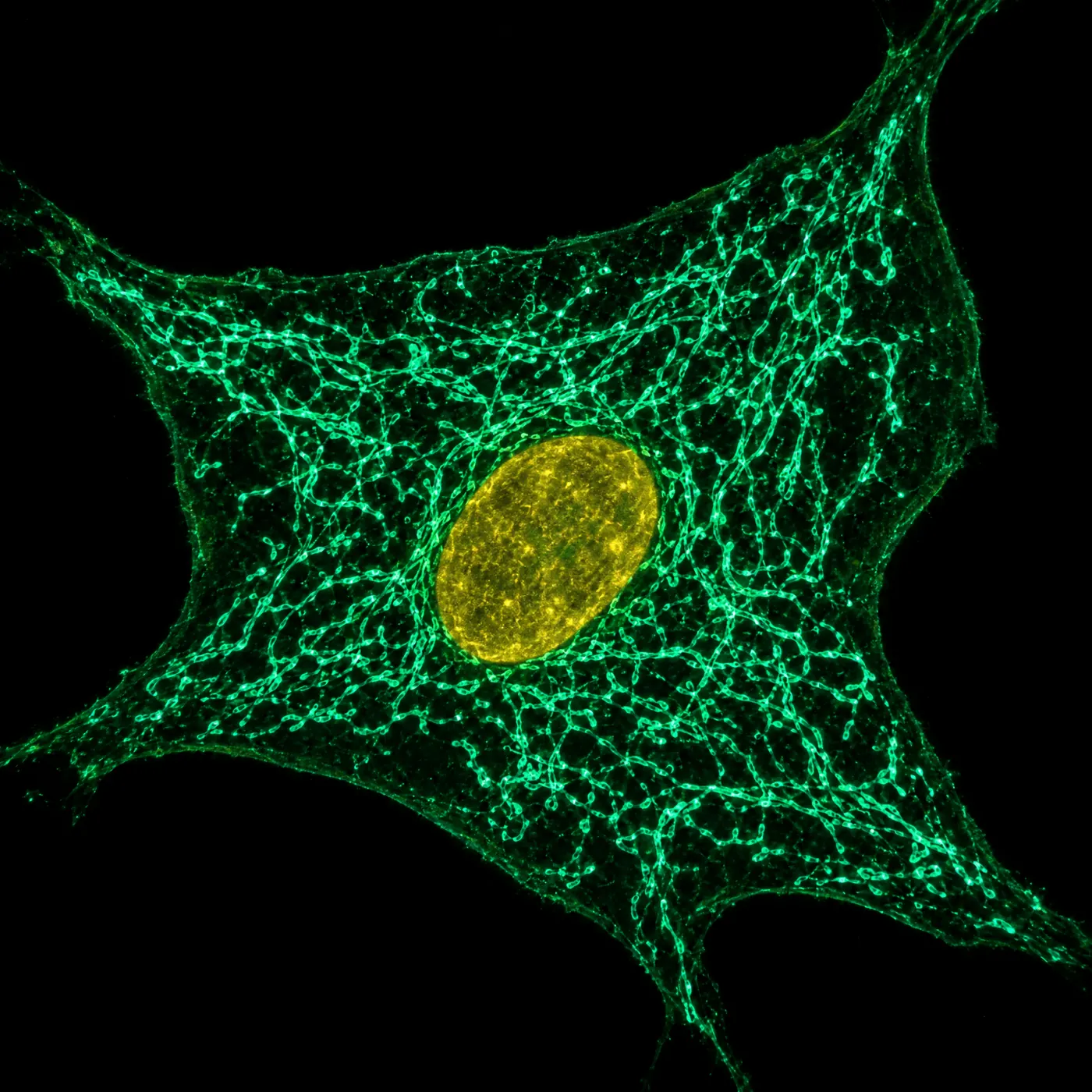
Why this protocol
MOTS-C is encoded inside mitochondrial DNA and acts as a signal back to the rest of the cell. Its best-characterized lever is activating AMPK, the energy sensor that switches on fat-burning and mitochondrial work when energy runs low. That is why it is described as an 'exercise mimetic.'
The longevity and metabolic case rests on that same AMPK effect. It supports better insulin sensitivity, improved metabolic flexibility, and endurance. It is run as a daily (or near-daily) mono cycle.
The regimen
MOTS-c
Mitochondrial / AMPK- Dose
- 500–1,000 mcg
- Schedule
- Once daily (or near-daily) · subcutaneous
- Timing
- Often dosed before exercise (exercise-mimetic rationale)
Reconstitution calculator
Reconstitution calculator
Calculated for a 1 mL U-100 insulin syringe (100 units/mL).
Units per dose
20 units
Draw this many units on a U-100 syringe
Each unit holds 50 mcg
- Volume per dose
- 0.2 mL
- Doses per vial
- 10
- Concentration
- 5 mg/mL
One vial lasts
- Daily
- 10 days
- Every other day
- 20 days
- 5×/week
- 14 days
Research use only. Not for human consumption. Outputs are reference values based on research literature. Verify all measurements independently.
Cycle & schedule
- Cycle (8–12 weeks)MOTS-C 500–1,000 mcg once daily, roughly aligning the dose with training where exercise capacity is the goal.
- Washout (2–4 weeks)A 2–4-week break before repeating; recheck any metabolic markers (e.g. fasting insulin) you are tracking.
Studies behind this protocol
This protocol composes the cited evidence on each peptide's page. See the full bibliography on: MOTS-c.
Research use only · Not medical advice · Updated 2026-09-24