KiResearcher
LongevityMOTS-cMOTSc

MOTS-c

Mitochondrial-derived peptide · metabolic & exercise biology

MOTS-c is a 16-amino-acid 'mitochondrial-derived peptide' — one of a small class of peptides your cells encode not in the main genome but inside the DNA of the mitochondria, the cell's power plants. Discovered in 2015, it activates AMPK (a master metabolic switch) and, under metabolic stress, moves into the cell nucleus to change which genes are switched on. In mice it does genuinely impressive things: it improves insulin sensitivity, prevents diet-induced obesity and insulin resistance, and boosts physical exercise capacity in young, middle-aged, and old animals — which is why it is marketed as an injectable 'exercise-mimetic' and longevity peptide. But the honest reading of the evidence is narrower than that marketing. Almost all of the efficacy data are from mice and cell experiments. The one solid human finding is that exercise raises the body's OWN MOTS-c levels — not that injecting it produces benefits in people. There is no completed controlled human trial of MOTS-c administration (the very first one, a Phase-2a study in prediabetes, only began recruiting in early 2026 and has no results), no validated human pharmacokinetics or half-life, and the foundational research comes from authors with a financial stake in a company developing MOTS-c drugs. This page documents the real mechanistic and animal science and is explicit about where the human evidence stops.

The short version

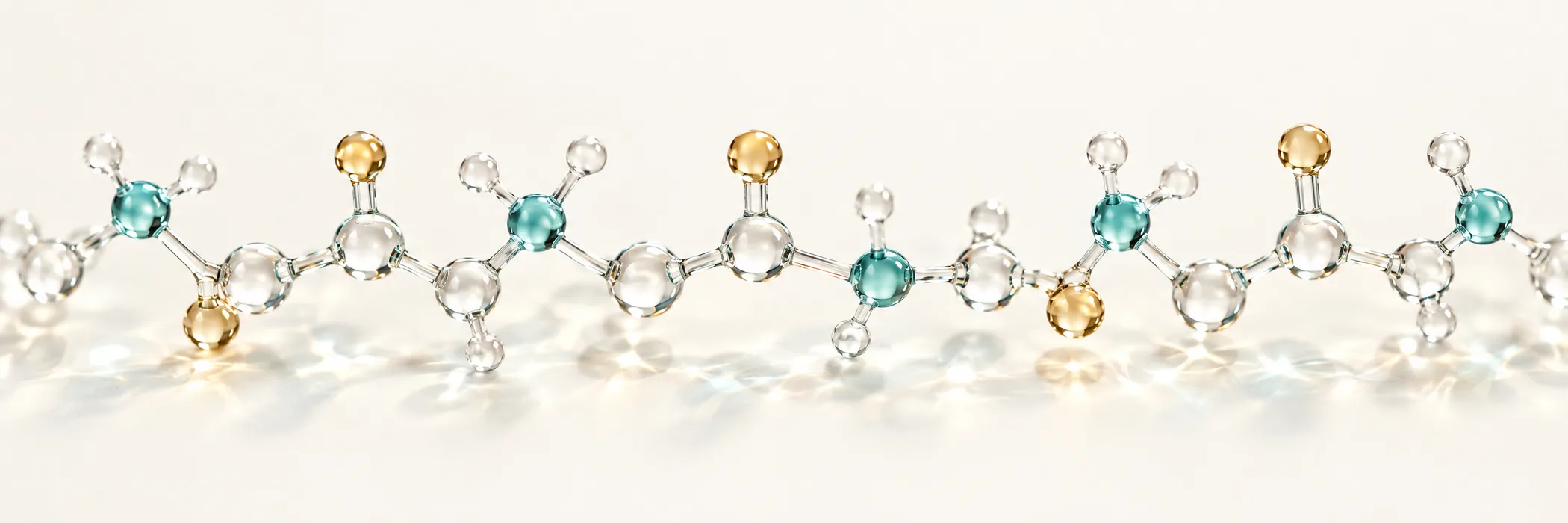
Your cells keep most of their DNA in the nucleus, but a tiny separate set lives inside the mitochondria — the structures that make energy. MOTS-c is a short peptide that the mitochondrial DNA itself codes for. That makes it a member of a young and genuinely interesting class of molecules called 'mitochondrial-derived peptides.'

In laboratory mice, MOTS-c looks like a metabolic gift: it makes the body more sensitive to insulin, protects against the weight gain and insulin resistance caused by a junk-food diet, and — strikingly — improves running/exercise capacity even in old mice. Those findings are real and come from good labs, and they are the reason MOTS-c is sold as an injectable 'exercise in a vial' or anti-aging peptide.

Here is the part the marketing skips. Almost all of that evidence is in mice and in cells in a dish. The single strongest human finding actually points the other way: when people exercise, their bodies make MORE of their own MOTS-c — which tells us MOTS-c is part of the natural exercise response, but does NOT tell us that injecting extra MOTS-c helps a person.

As of early 2026, the very first study to actually give MOTS-c to humans (in people with prediabetes) had just started enrolling and has produced no results. So there is no human proof of benefit, no human safety record, and no reliable measurement of how long an injected dose lasts. It is also worth knowing that the scientists behind the original discoveries have a financial interest in a company developing MOTS-c drugs. This page lays out the strong animal science honestly and marks clearly where the human evidence simply isn't in yet.

01

Molecular identity

Specs

Molecular weight
2174.6 g/mol
PubChem CID 146675088
Molecular formula
C101H152N28O22S2
PubChem CID 146675088
Monoisotopic mass
2173.11 Da
PubChem CID 146675088
Sequence (16 AA)
MRWQEMGYIFYPRKLR (Met-Arg-Trp-Gln-Glu-Met-Gly-Tyr-Ile-Phe-Tyr-Pro-Arg-Lys-Leu-Arg)PubChem CID 146675088; Lee 2015
Origin
Mitochondrial-derived peptide (MDP); encoded by a short ORF within the mtDNA 12S rRNA regionLee 2015 (PMID 25738459)
CAS / UNII
1627580-64-6 · A5CV6JFB78 (not independently registry-cross-verified)PubChem CID 146675088; FDA UNII
Molecular target
AMPK pathway (via folate/one-carbon cycle / AICAR); nuclear gene regulation under metabolic stressLee 2015 / Kim 2018
Half-life
Not established — no validated human pharmacokineticsNot established
Regulatory status
Not an approved drug; first human administration trial (Phase 2a) recruiting as of 2026 — no resultsClinicalTrials.gov
02

Plain English

Mechanism

MOTS-c (Mitochondrial ORF of the Twelve-S rRNA type-c) was first described by Lee and colleagues in 2015. It is a 16-amino-acid peptide encoded by a short open reading frame located within the mitochondrial 12S ribosomal-RNA gene — meaning it is transcribed from mitochondrial DNA rather than the nuclear genome. This is the defining feature of the 'mitochondrial-derived peptide' (MDP) class, and it is what makes MOTS-c biologically unusual: it is a signal that originates inside the cell's power plants.

Its best-characterized molecular action is activation of AMP-activated protein kinase (AMPK), the cell's central energy sensor. Mechanistically, MOTS-c interferes with the folate one-carbon cycle, which causes the metabolite AICAR to accumulate; AICAR in turn activates AMPK. Through this pathway MOTS-c enhances insulin-stimulated glucose uptake in skeletal muscle. Importantly, the core of this mechanism (the folate-cycle/AICAR step) was demonstrated in cultured cells, and the AMPK and glucose-handling effects were shown in cultured cells and mice — not in humans.

Under metabolic stress (for example glucose restriction), MOTS-c does something further: it translocates from the mitochondria/cytoplasm into the cell nucleus, where it helps regulate the expression of nuclear genes, including stress-response and antioxidant pathways governed by the transcription factor NRF2. This nuclear, gene-regulatory role was characterized in cell systems and is an AMPK-dependent process. It positions MOTS-c as a 'mitochondria-to-nucleus' messenger that adapts the cell to metabolic stress.

A connection to exercise is part of why MOTS-c attracts attention — and it is also where the species distinction matters most. In mice, administering MOTS-c improved physical performance across young, middle-aged, and old animals. In humans, the demonstrated finding is that exercise itself raises endogenous (made by the body's own cells) MOTS-c levels in skeletal muscle and blood — i.e., MOTS-c is part of the body's own response to exercise. The leap from 'exercise raises your own MOTS-c' to 'injecting MOTS-c reproduces the benefits of exercise' has not been demonstrated in people and should be read as a hypothesis (a proposed idea still to be tested), not an established mechanism.

Sources:PubChem CID 146675088PMID 25738459PMID 29983246PMID 33473109

03

Why people reach for it

Potential benefits

MOTS-c is reached for as the 'mitochondrial' metabolic peptide — an injectable take on the biology of exercise. Here's what draws people to it, with the honest caveat that the strong findings are in mice.

  • Exercise-in-a-vial appealIts headline draw. In mice MOTS-c improved running and physical capacity even in old animals, and in humans exercise itself raises the body's own MOTS-c — which is why it's marketed as an exercise-mimetic, even though injecting it has not been shown to reproduce those benefits in people.
  • Sharper metabolic and insulin responseMOTS-c activates AMPK — the cell's master metabolic switch — via the folate/one-carbon cycle, and in mouse studies improved insulin-stimulated glucose handling, which is the metabolic angle most people pursue it for.
  • Leaner body-composition supportIn a high-fat-diet mouse model MOTS-c prevented diet-induced obesity and insulin resistance, making it a go-to in metabolic and body-composition stacks (reported in animals, not a proven human fat-loss effect).
  • Daytime energy and driveBecause its mechanism is mitochondrial — switching on the cell's energy machinery through AMPK — people reach for it as an energizing, activity-aligned peptide rather than a calming one.
  • A mitochondrial base that stacks wellAs a mitochondrial-derived peptide it pairs cleanly with other mito levers — most commonly NAD+ for fuel and SS-31 for membrane protection — coming at mitochondrial health from different angles.

Sources:PMID 25738459PMID 29983246PMID 33473109

What people reach for MOTS-c for, drawn from what the research reports (efficacy almost entirely mouse and in-vitro; the one human finding is that exercise raises endogenous MOTS-c) and how it's used — not proven human outcomes or medical claims.

04

Implied timing

Best time to dose

Implied best time

Morning / pre-workout

Most people take MOTS-c in the morning, or 30–60 minutes before training, to line the metabolic signal up with the active part of the day.

  • MOTS-c's action is AMPK activation and insulin-sensitization — an energizing, exercise-mimetic metabolic signal — so it's paired logically with daytime activity rather than the evening wind-down.
  • Some users inject 30–60 minutes before exercise on the reasoning that MOTS-c is itself part of the body's exercise-signaling response; aligning the dose with a training window puts the injected signal and the body's own production to work together.
  • Dosing in the morning (often fasted, before breakfast) is the common choice for the metabolic / insulin-sensitivity angle; a late-day dose risks unwanted stimulation against the evening wind-down.
  • There is no validated human pharmacokinetics or half-life for MOTS-c, so the timing is reasoned from its mechanism and how it's used — not from a measured duration of action.

No study establishes an ideal time of day for MOTS-c — this is reasoned from its mechanism and how it's actually used. As a rule of thumb most peptide dosing lands in the midday-to-evening window; MOTS-c is the energizing exception, where the lean is morning or pre-workout.

Sources:PMID 25738459PMID 33473109

05

How to run it

Dosing & protocol

MOTS-c is dosed here as a subcutaneous injection — the form sold as a research peptide and the route the on-page calculator is built for. No completed human trial has published a dose, so the ranges and schedule below are community-and-practitioner convention, drawn from the mouse study cadences and the design of the one ongoing human prediabetes trial. Read it as a map of how people actually run injectable MOTS-c — not a validated prescription.

Community convention, not trial-proven: MOTS-c has zero completed human administration trials and no published human dose. Its efficacy data are almost entirely mouse and in-vitro; the single human finding is that exercise raises endogenous MOTS-c, which is not evidence that injecting it works. Every number here is a usage pattern, not evidence. WADA does not name MOTS-c explicitly but broadly covers peptides; verify at time of use if competitive sport is relevant.

Tiered dose ranges

Community protocols cluster around a weekly total of 5–10 mg, typically split across daily or near-daily injections.

Low / conservative:
250–500 mcg once daily (1.75–3.5 mg/week) — first testing tolerance or a conservative metabolic-maintenance approach.
Standard:
500–1,000 mcg once daily (3.5–7 mg/week) — the most common range; aligns with the calculator default and the daily-dosing arm of community convention.
Higher / metabolic focus:
1,000–1,500 mcg once daily (7–10 mg/week) — used for stronger metabolic or exercise-mimetic goals; the upper end of community convention. Doses above 10 mg/week are not commonly reported.
Split-dose alternative:
Some users prefer 500 mcg twice daily rather than a single larger injection, on the reasoning that MOTS-c's action as an AMPK-activating signal may benefit from more frequent exposure. There is no pharmacokinetic data to settle this either way.

Subcutaneous administration

MOTS-c is injected into subcutaneous fat; site, timing, and food window are the actionable choices.

Injection site:
The abdomen (staying a couple of inches clear of the navel), the love-handle area, or the outer thigh. Rotate sites between doses so one spot isn't used repeatedly — this prevents local irritation and lipohypertrophy (small fatty lumps).
Measuring the dose:
Drawn on a U-100 insulin syringe from the reconstituted vial. At the standard mix (10 mg vial + 2 mL BAC water = 5,000 mcg/mL): 250 mcg = 5 IU · 500 mcg = 10 IU · 1,000 mcg = 20 IU. The on-page calculator does this live for any vial size.
Time of day:
Morning is the most common choice — MOTS-c's AMPK-activating and insulin-sensitizing action is logically paired with daily activity that follows. Some users inject 30–60 minutes before exercise to align peptide exposure with the training window, on the reasoning that MOTS-c is itself part of the exercise-signaling response.
Food window:
Subcutaneous injection does not compete with digestion for absorption. Injecting in a fasted state (before breakfast) is common for the metabolic / insulin-sensitivity angle, though there is no published MOTS-c-specific timing data.

Cycle & washout

Mouse studies used multi-week to multi-month courses; the one ongoing human trial runs 12 weeks. Community cycles tend to mirror that structure rather than running indefinitely.

Standard cycle:
8–12 weeks of continuous daily or near-daily use — the human trial duration is 12 weeks, and the mouse aging study used a late-life intermittent course of similar length. Reassess insulin sensitivity and metabolic markers at the end of the cycle.
Washout:
Follow with a 4–6-week break. MOTS-c's mechanism is mitochondrial and AMPK-mediated, not receptor-driven in the conventional sense, but cycling is standard practice for research peptides to allow the body's own baseline signaling to readjust.
Daily vs. intermittent:
The mouse metabolic-efficacy studies used near-daily dosing; the aging study dosed approximately three times per week (EOD). Both schedules appear in community practice. If using EOD (every other day), scale the per-injection dose up proportionally to maintain the same weekly total.

Reconstitution at a glance

The on-page calculator does this live; the quick reference for the default 10 mg vial + 2 mL BAC water:

Mixing:
10 mg vial + 2 mL bacteriostatic water = 5,000 mcg per mL. On a 100-unit (1 mL) U-100 insulin syringe: 250 mcg = 5 IU · 500 mcg = 10 IU · 750 mcg = 15 IU · 1,000 mcg = 20 IU.
Why 2 mL:
This dilution gives workable syringe volumes across the 250–1,000 mcg dose range without requiring fractional IU measurements. If you prefer more volume per injection (easier to measure small doses precisely), add up to 4 mL BAC water instead — the calculator adjusts automatically.

Sources:PMID 25738459PMID 33473109NCT07505745

06

Substrate the signal needs

Nutritional cofactor precision

MOTS-c's mechanism is mitochondrial at its core — it activates AMPK via the folate/one-carbon cycle and improves insulin-stimulated glucose handling. The cofactor strategy has three jobs: amplify the signal with the thing that most directly raises MOTS-c in humans (exercise), supply the substrates of the mitochondrial machinery it acts on, and provide sensible glucose context given its insulin-sensitizing action.

Reasoned from MOTS-c's AMPK / folate-cycle / mitochondrial mechanism plus general metabolic nutrition — not a MOTS-c cofactor study. The peptide's own efficacy evidence is mouse and in-vitro; these cofactor recommendations are practical reasoning, not a MOTS-c-specific finding. Supplement doses are common community ranges.

Exercise — the on-mechanism amplifier

This is the most important cofactor for MOTS-c — and the only one with actual human evidence. Physical exercise is the demonstrated, primary-sourced trigger that raises endogenous MOTS-c in human muscle and blood.

Why it is unique here:
Exercise induces the body's own MOTS-c — that is a human finding (Reynolds 2021), not a mouse result. MOTS-c is an exercise-mimetic peptide that itself mimics the metabolic response to training; training is the proven, endogenous stimulus for the same effect. Pairing subcutaneous MOTS-c with an active training program means both levers are pulling together — the injected signal and the body's own production — rather than substituting one for the other.
Protocol integration:
Both aerobic (cardio) and resistance (strength) training are relevant: aerobic exercise most directly induces MOTS-c in the circulation, while resistance training improves insulin sensitivity and AMPK activity in muscle — the same targets. At least 3–5 sessions per week of combined modalities; sessions performed on the same days as injection create the most logical co-exposure.
Honest caveat:
The human finding is observational — exercise raises MOTS-c, not that injecting MOTS-c substitutes for exercise. The ideal approach is both, not one replacing the other.

Folate & B12 — substrate for the folate/one-carbon cycle

MOTS-c's mechanism runs directly through the folate one-carbon cycle — the step that drives AICAR accumulation and switches AMPK on. Supplying this cycle adequately is mechanistically direct.

Why it matters:
The folate/one-carbon cycle is the upstream step in MOTS-c's AMPK-activation pathway. Being deficient in folate (vitamin B9) or its co-factor B12 means the very pathway MOTS-c operates through is substrate-limited. This is 'supply the substrate,' not 'amplify the dose.'
Protocol integration:
Methylfolate (the active form, L-methylfolate or 5-MTHF) 400–800 mcg/day; methylcobalamin (B12, active form) 1,000 mcg/day, taken with or without food. Active forms are preferred because a meaningful portion of the population has reduced MTHFR enzyme activity, limiting conversion of folic acid to the active form.

Mitochondrial energy substrates — CoQ10, B-complex, magnesium

MOTS-c acts on the mitochondrial metabolic machinery. Feeding that machinery its raw materials is the broadest support layer.

CoQ10 (ubiquinone / ubiquinol):
CoQ10 carries electrons inside the mitochondrial electron transport chain — the downstream hardware that turns AMPK signaling into actual ATP output. 100–300 mg CoQ10 or ubiquinol daily, taken with a fat-containing meal for absorption. Ubiquinol (the reduced form) is preferred if over 40 or using statins (which deplete CoQ10).
B-complex:
The B-vitamins are co-factors for converting food into acetyl-CoA and NADH — the fuel that enters the mitochondrial energy chain. A complete B-complex (B1, B2, B3, B5, B6, B12) daily covers the full set; niacin (B3) in particular feeds into NAD+ synthesis, which is upstream of the same energy machinery.
Magnesium:
Magnesium is required for ATP to be biologically usable (ATP must bind magnesium to be active) and for hundreds of metabolic enzymes. 200–400 mg magnesium glycinate or malate daily, taken in the evening (also supports sleep quality and insulin sensitivity overnight).

Glucose management basics — minimizing the counter-signal

MOTS-c's proposed benefit is insulin sensitization. Dietary and lifestyle factors that chronically drive insulin resistance work against that mechanism.

Why it matters:
Chronically high blood glucose and insulin spikes blunt AMPK signaling — the same pathway MOTS-c activates. Reducing the glucose counter-signal gives the peptide's action less resistance to work against. This is 'MITIGATE the cost' for a peptide that improves insulin handling in animals.
Protocol integration:
A whole-food diet with limited refined carbohydrates and sugar; adequate dietary fiber (25–40 g/day from vegetables, legumes, and whole grains) to blunt post-meal glucose spikes; and consistent sleep (7–9 hours), since sleep deprivation acutely worsens insulin sensitivity. Berberine (500 mg 2–3× daily with meals) is an AMPK activator that some users pair with MOTS-c as a non-peptide route to the same target — though this doubles the same lever rather than complementing it; note this if using both.
07

Combinations + timing

Stacking notes + timing windows

The most coherent stacking theme for MOTS-c is the mitochondrial-derived peptide cluster: SS-31 and humanin act on the same organelle from different angles, so the combination targets mitochondrial health more broadly than any single peptide. NAD+ precursors are a non-peptide addition that feeds the upstream metabolic machinery MOTS-c acts on.

Combinations reasoned from complementary mechanisms — not pairings studied head-to-head, and MOTS-c itself has zero completed human trials, so any stack is doubly unproven. Doses are community convention. 'Reached for' describes where users go, not a proven indication.

MOTS-c + NAD+ precursors

The most mechanistically direct pairing: MOTS-c activates AMPK via the folate/one-carbon cycle; NAD+ fuels the upstream mitochondrial machinery that AMPK activation is ultimately meant to optimize.

Why it works:
NAD+ is the redox coenzyme that the mitochondrial electron transport chain depends on. AMPK activation (MOTS-c's output) and NAD+ abundance are co-regulators of the same longevity-associated pathways (sirtuins, PARP repair). They are different levers — MOTS-c is the metabolic signal, NAD+ is the fuel substrate — not the same one twice.
The protocol:
MOTS-c 500–1,000 mcg subcutaneously once daily, alongside NMN 500 mg or NR 500 mg orally once daily (morning, with or without food). Some users prefer injectable NAD+ 250–500 mg IV or subcutaneously; consult the NAD+ page for route guidance.
Outcome:
Combination reached for on metabolic optimization, insulin sensitivity, and cellular energy / longevity goals. The NAD+ precursor is the one partner here where oral delivery is the standard route.

MOTS-c + SS-31 (elamipretide)

The mitochondrial-membrane + metabolic-signal pair: SS-31 protects the inner mitochondrial membrane; MOTS-c provides the AMPK-activating metabolic signal from within that same organelle.

Why it works:
SS-31 targets cardiolipin on the inner mitochondrial membrane, protecting the electron transport chain from structural damage and reducing mitochondrial reactive oxygen species (ROS). MOTS-c works on the metabolic signaling side — AMPK activation, folate cycle, nuclear gene regulation. They address the same organelle from opposite ends: structural integrity (SS-31) and metabolic output signal (MOTS-c).
The protocol:
MOTS-c 500–1,000 mcg subcutaneously once daily + SS-31 1–5 mg subcutaneously once daily. Both are run in defined multi-week cycles; the mitochondrial-support theme makes a shared cycle logical. See the SS-31 page for its specific dosing tiers.
Outcome:
Reached for on mitochondrial health, aging-related metabolic decline, and exercise-capacity goals — especially where energy production rather than structural repair is the limiting factor.

MOTS-c + Humanin

The two best-characterized mitochondrial-derived peptides with complementary primary mechanisms: MOTS-c on AMPK and metabolic flexibility; humanin on cytoprotection and insulin receptor signaling.

Why it works:
Humanin is the founding member of the MDP class. Its primary documented actions are cytoprotective (protecting neurons and other cells from apoptosis — programmed cell death) and include sensitization of the insulin receptor via a distinct pathway from MOTS-c's AMPK route. Pairing the two means both the AMPK/metabolic-signal pathway (MOTS-c) and the cytoprotective/insulin-receptor pathway (humanin) are addressed — same organelle family, different output mechanisms.
The protocol:
MOTS-c 500–1,000 mcg subcutaneously once daily + humanin 2–4 mg subcutaneously once daily or every other day. Both are run in 8–12 week cycles; see the Humanin page for its specific dosing convention.
Outcome:
Reached for on longevity and metabolic-flexibility goals, especially in the context of aging-related mitochondrial decline. This is the core 'mitochondrial-derived peptide' stack — all three MDPs (adding SS-31 for the membrane angle) is the most comprehensive mito-support approach in community practice.
08

Reconstitution math

Reconstitution calculator

Reconstitution calculator

Calculated for a 1 mL U-100 insulin syringe (100 units/mL).

mg
mL

Units per dose

20

Draw to this mark on a U-100 syringe

Volume per dose
0.2 mL
Doses per vial
10
Concentration
5 mg/mL

One vial lasts

Daily
10 days
Every other day
20 days
5×/week
14 days

Research use only. Not for human consumption. Outputs are reference values based on research literature — verify all measurements independently.

09

From the studies

Side effects from research

There is no human safety dataset for MOTS-c. Because no controlled human administration trial has been completed, there is no published record of adverse events, tolerability, or dose-limiting effects in people. Any statement that MOTS-c is 'well tolerated' in humans would be unsupported.

In the animal studies, intraperitoneal MOTS-c was used without reported overt toxicity that halted the experiments, but those studies were designed to test metabolic effects, not to formally characterize safety — they do not constitute a toxicology dataset, and they are in mice, not humans. The ongoing Phase-2a human trial is following safety outcomes, but it has posted no results.

Regulatory status frames the rest: MOTS-c is not an approved drug anywhere, and the first human administration study only began recruiting in 2026. This page presents the mechanistic and animal research literature only and makes no therapeutic claim. The honest summary is that MOTS-c's human safety profile is simply unknown.

Sources:PMID 25738459NCT07505745

10

As reported in literature

Research dosing ranges

These are the doses actually used in the published research — the evidence the practical guidance above leans on, shown separately so study data is never mistaken for a human dose. There is no validated human dose for MOTS-c: the entries below are almost entirely from mouse and cell studies, reported as evidence rather than a recommendation, and this page makes no therapeutic or how-to claim. The animal studies used intraperitoneal (IP) injection — into the abdominal cavity, a rodent-lab route — in mice, at doses scaled per kilogram of body weight (1 kg ≈ 2.2 lb); the in-vitro (cell-culture) work used micromolar concentrations in a dish. The only human dosing that exists is the design of an ongoing Phase-2a trial (an early human study; subcutaneous, once daily, 12 weeks) whose actual dose is not yet public and which has produced no results. Milligram subcutaneous 'protocols' circulated by vendors are not derived from any completed human study.

DoseRouteModelOutcomeSources:
5 mg/kg/day (acute, multi-day)Intraperitoneal (IP)Mouse — acute metabolic studyActivated AMPK and improved glucose handling / insulin-stimulated glucose disposalPMID 25738459
0.5 mg/kg/day (8 weeks)Intraperitoneal (IP)Mouse — high-fat-diet modelPrevented diet-induced obesity and insulin resistancePMID 25738459
15 mg/kg (≈3×/week, late-life initiated)Intraperitoneal (IP)Mouse — aging / exercise-capacity studyIncreased physical capacity and improved healthspan measures in older micePMID 33473109
≈10 µMIn vitro (cell culture)Cell — mechanism (HEK293)Folate-cycle inhibition → AICAR accumulation → AMPK activationPMID 25738459
Once-daily fixed dose, 12 weeks (dose not yet public)SubcutaneousHuman — Phase-2a prediabetes trial (recruiting; no results)First human administration of MOTS-c; outcomes not yet availableNCT07505745
11

Quick answers

Frequently asked

What is MOTS-c?

MOTS-c is a 16-amino-acid 'mitochondrial-derived peptide' — a peptide encoded by a short gene located inside the mitochondrial DNA (within the 12S rRNA region), rather than in the cell nucleus. Discovered in 2015, it activates the metabolic enzyme AMPK via the folate/one-carbon cycle and, under stress, moves into the nucleus to influence gene expression. It is studied for metabolism, insulin sensitivity, and exercise biology.

Does MOTS-c work as an 'exercise mimetic' or longevity peptide?

In mice, administered MOTS-c improved insulin sensitivity and physical capacity, including in old animals — that animal evidence is real. But in humans the demonstrated finding is the reverse direction: exercise raises your body's OWN MOTS-c. There is no completed human trial showing that injecting MOTS-c reproduces those benefits, so the 'exercise in a vial' framing is a hypothesis, not an established human result.

Has MOTS-c been tested in humans?

Not as an administered treatment with published results. MOTS-c has been measured in humans as a biomarker (it rises with exercise), but the first study to actually give MOTS-c to people — a Phase-2a trial in prediabetes — only began recruiting in early 2026 and has produced no results. Human efficacy and safety data do not yet exist.

What is MOTS-c's half-life?

No validated human pharmacokinetics or half-life has been published for MOTS-c. The mouse studies used intermittent dosing (around three times per week in one aging study), which is consistent with a short-lived peptide but is a dosing choice rather than a measured value. Half-life numbers quoted online are not traceable to a primary human study.

Is it true that MOTS-c declines with age?

That claim is primary-sourced but comes from mice: MOTS-c levels in muscle and circulation declined with age in mouse studies. A controlled human age-comparison has not been established in the same way, so 'MOTS-c declines with age in humans' should be read as plausible-but-not-primary-verified.

Why does the conflict-of-interest matter here?

The senior authors of the foundational MOTS-c papers have disclosed that they are consultants and shareholders of a company (CohBar, Inc.) that developed MOTS-c analogs. That doesn't make the science wrong, but it is a financial interest in a positive outcome, and combined with the fact that nearly all evidence is preclinical, it is a reason to weight the human claims cautiously.

Why is exercise listed as a cofactor if MOTS-c is an exercise mimetic?

Because exercise is the only intervention proven in humans to raise MOTS-c — and the animal evidence shows MOTS-c mimics exercise, not that it substitutes for it. Pairing the peptide with actual training means both the injected signal and the body's own MOTS-c production work together. The two are complementary, not redundant.

12

Primary sources

References

  • PubChem CID 146675088PubChem CID 146675088 (MOTS-c; C101H152N28O22S2, MW 2174.6, 16-aa sequence MRWQEMGYIFYPRKLR; CAS 1627580-64-6; FDA UNII A5CV6JFB78)
  • PMID 25738459Lee et al., Cell Metab 2015 (discovery; 12S-rRNA-encoded MDP; folate→AICAR→AMPK; mouse insulin sensitization, anti-obesity; mouse IP doses)
  • PMID 29983246Kim et al., Cell Metab 2018 (MOTS-c translocates to the nucleus to regulate nuclear gene expression under metabolic stress; NRF2/ARE; AMPK-dependent — in vitro)
  • PMID 33473109Reynolds et al., Nat Commun 2021 (mouse exercise capacity across ages + healthspan; mouse age-related decline of MOTS-c in muscle/circulation; in humans, exercise induces endogenous MOTS-c in muscle and blood; CohBar COI disclosed)
  • PMID 32052315Ikonomidis et al., J Thromb Thrombolysis 2020 (MOTS-c measured as a human biomarker in type-2 diabetes with coronary artery disease; observational)
  • NCT07505745Phase-2a trial of subcutaneous MOTS-c in prediabetes + overweight/obesity (Hudson Biotech; recruiting from 2026-02; no results posted) — first human administration of MOTS-c
  • NCT04027712Observational study measuring MOTS-c as a biomarker in type-2 diabetes/CAD (MOTS-c not administered)

Research use only · Not medical advice · Updated 2026-06-01