
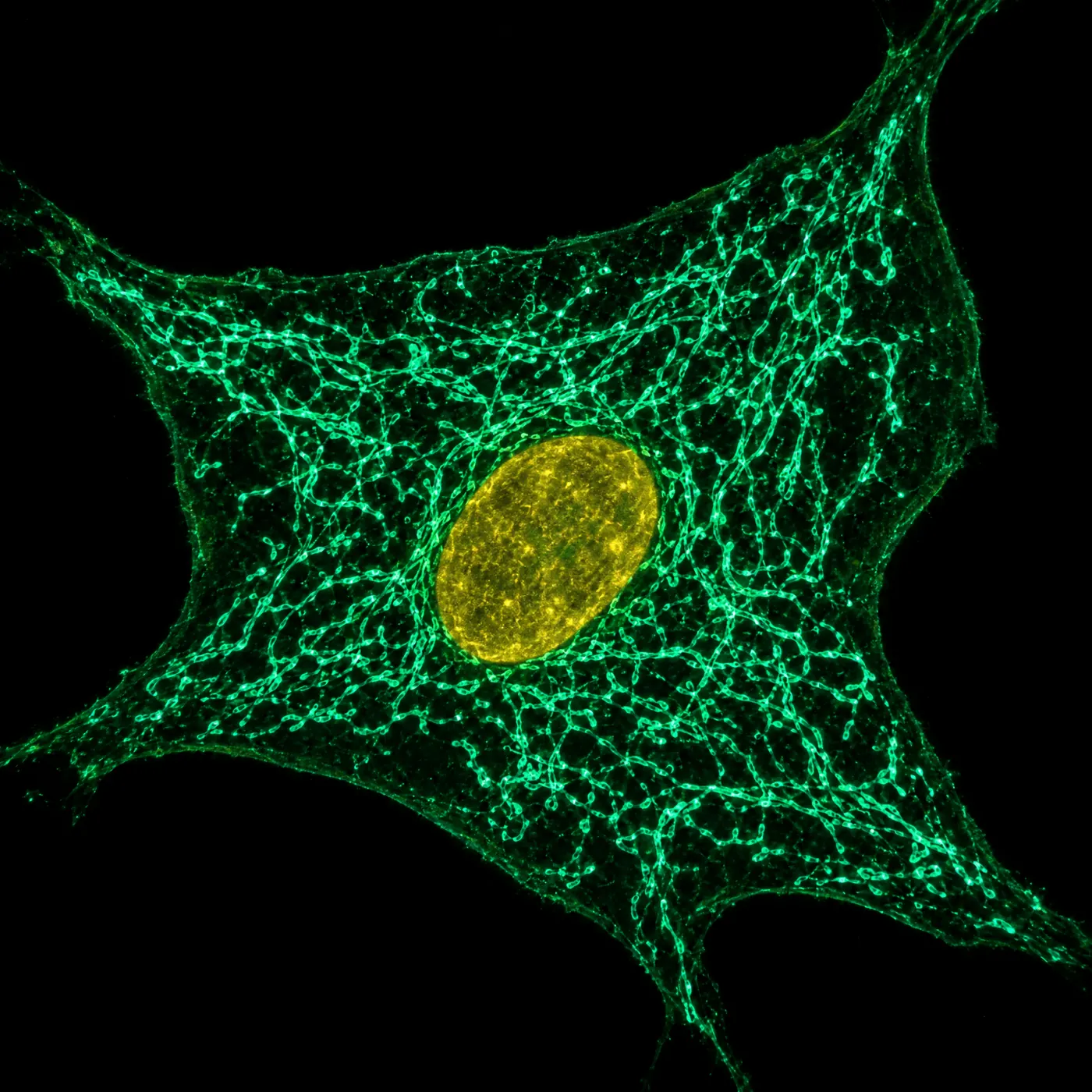
Epitalon
AEDG tetrapeptide · Khavinson pineal bioregulator
Epitalon is a four-amino-acid peptide (Ala-Glu-Asp-Gly) developed at Vladimir Khavinson's St. Petersburg institute as the synthetic form of a pineal gland extract. It is the best-known longevity peptide. In human cells it switched on telomerase, the enzyme that rebuilds the protective caps on DNA.
Buy Epitalon10 mg vial
Ki Researcher is affiliated with Ki Peptides.
Ships to the US only. Buyers must be 21 or older.
At a glance
- Dose
- 5–10 mg a day, 5 mg the default
- How often
- One injection a day across the course
- How
- A small injection under the skin
- When
- Evening, at or near bedtime
- Cycle
- 10–20 daily injections, then 3–6 months off
The 30-second versionEverything on this page, fast
Longevity · Telomere Research · Pineal Bioregulator · Anti-Aging
The flagship anti-aging peptide of the Khavinson 'bioregulator' family. A tiny four-amino-acid peptide (Ala-Glu-Asp-Gly) reached for as a telomerase activator and run for lifespan and telomere goals. It is the longevity headliner of the whole bioregulator lineage.
The basics
- A synthetic 4-amino-acid peptide (AEDG), built in Russia as the defined form of epithalamin, a pineal-gland extract.
- Run by subcutaneous injection in short pulsed courses, not daily-indefinite.
Why people use it
- The headline telomere/telomerase angle. Its reputation is built on lab work where it switched on telomerase (hTERT) and lengthened telomeres in human cells, the result people reach for it on.
- The longevity bioregulator. It's the family member with rodent lifespan data (≈13% mean-lifespan bump in one mouse strain) and an elderly-cohort mortality report on its parent extract, so it anchors community longevity protocols.
- A pineal angle. Built as the synthetic form of a pineal extract, so people run it in the evening, timing the dose to the pineal's nighttime window.
- A short, contained course. Unlike daily peptides, it's pulsed (often 10–20 days) a couple of times a year, which suits the bioregulator pattern.
Stacks well with
- Thymalin is the original Khavinson pairing. The human mortality cohort ran it with the pineal extract Epitalon is modeled on.
- Pinealon adds a separate CNS/neuroprotective angle alongside the pineal one.
Good to know
- Epitalon is the anti-aging headliner of the Khavinson bioregulator family, the one with the telomere/telomerase story and the rodent lifespan data behind it.
- It's run in short pulsed courses (often 10–20 days), repeated a couple of times a year, so plan it around a defined window.
- Time the dose to the evening or bedtime to line it up with the pineal gland's nighttime activity. Morning light, a consistent wake time and a dark evening cover the body-clock side.
- It pairs naturally inside the bioregulator family with Thymalin (the original Khavinson pineal + thymic combo) and Pinealon (a separate CNS/neuroprotective angle).
What it does
Epitalon is the longevity headliner of the Khavinson bioregulator family. Here is what people run it for.
- Switches on telomerase in human cellsIn human lung cells aged in a dish, Epitalon restored telomere length, and the cells made 10 extra divisions.
- Longer lifespan in a mouse studyIn female mice bred to grow breast tumors, lifelong injections raised mean lifespan 13.5% and maximum lifespan 13.9%.
- Human data on the parent extractIn 266 older adults followed 6 to 8 years, those given the parent extract alone had 1.6–1.8-fold lower mortality.
- Raised evening melatonin in old monkeysIn old rhesus monkeys, 10 days of Epitalon raised evening melatonin more than 4-fold and cut evening cortisol about 30%.
- Less chromosome damage in aging miceIn three mouse strains, one bred to age fast, Epitalon cut chromosome damage in bone marrow cells by 18–30%.
Sources:PMID 12937682PMID 15455129PMID 12459848PMID 14523363PMID 11550036FDA briefing document (Epitalon), PCAC July 2026PMID 12360351
How it works
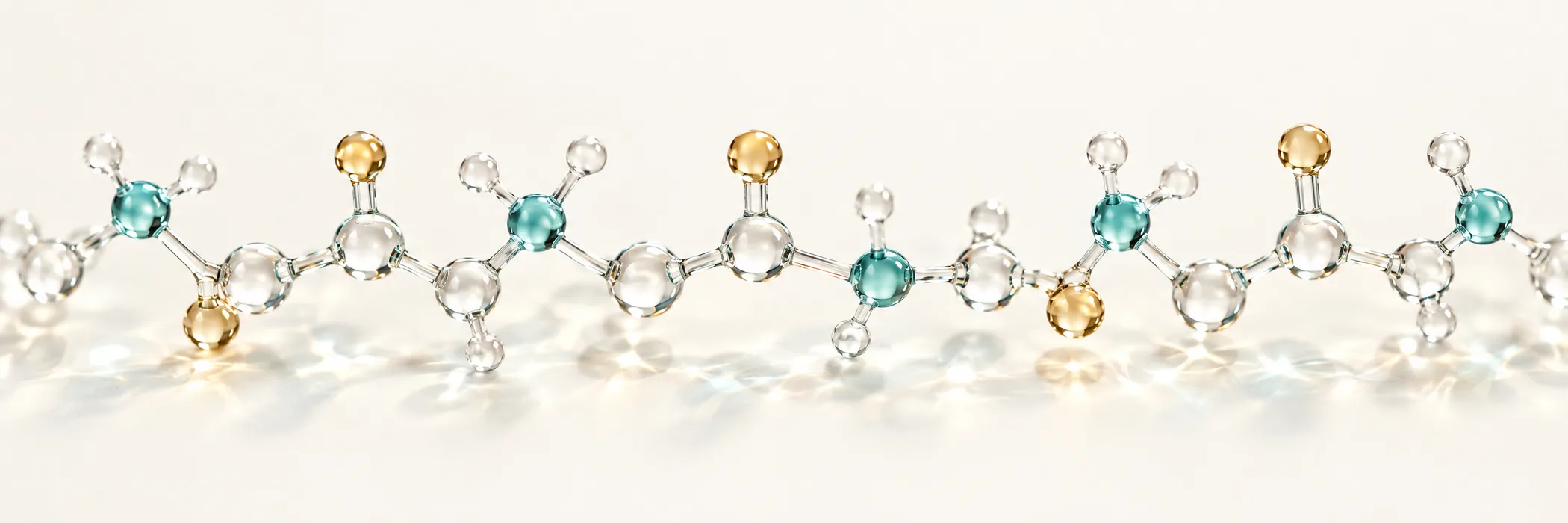
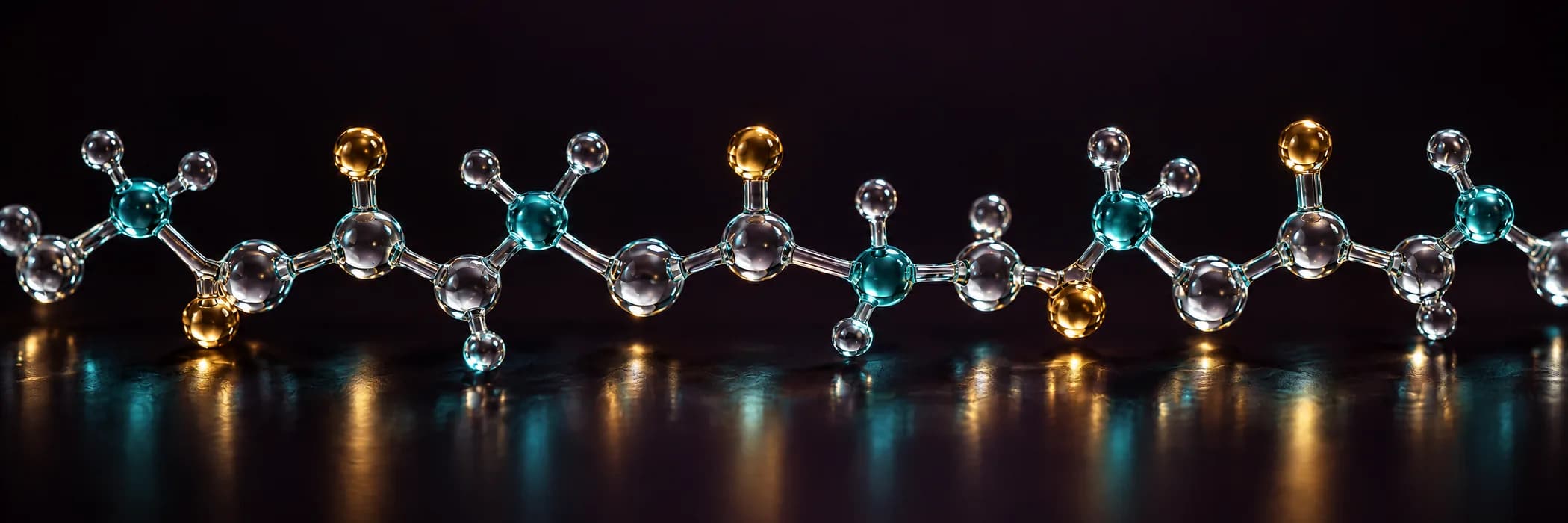
Switches on telomerase. In cultured human cells, Epitalon turned on hTERT, the working part of telomerase. Telomerase activity rose and telomeres, the protective caps on DNA, grew longer. A companion study reports the cells kept dividing past their normal limit.
Works at the gene level. The Khavinson group proposes that short peptides like Epitalon bind promoter DNA and switch gene transcription on. A 2025 review calls the peptide promising.
Modeled on the pineal gland. Epitalon is the single, defined four-amino-acid form of epithalamin, a pineal extract. A direct test on rat pineal tissue found no change in melatonin output.
Sources:PubChem CID 219042PMID 12937682PMID 15455129PMID 14666197PMID 12809170PMID 40141333
How to dose it
Most people run Epitalon as one injection under the skin each evening, in short courses a few times a year.
Dose tiersThe common range is 5 to 10 mg a day, with 5 mg the default.
- Range:
- 5 to 10 mg a day SC across a 10 to 20 day course. That is roughly 50 to 200 mg per course, 1 to 3 times a year.
- Where it comes from:
- The documented Khavinson courses ran ~10 mg a day. The mouse lifespan study used 1 mg SC, 5 times a week, for life.
- Route:
- Subcutaneous injection. The mouse study used SC and the Khavinson courses used SC or IM.
How to injectAn injection into belly, love-handle or thigh fat, rotated day to day.
- Injection site:
- Abdomen (a couple of inches clear of the navel), love handles or outer thigh. Rotate so no spot is used on consecutive days.
- Measuring the dose:
- Draw it on a U-100 insulin syringe. The Mixing the vial card below gives the syringe units, and the calculator handles any vial size.
- Time of day:
- Evening, at or near bedtime. See Best time to take it above.
- Food window:
- Inject with or without food.
Cycle and breaksThe Khavinson human courses were short and repeated after a gap, and people copy that.
- Course length:
- 10 to 20 consecutive daily injections, the pattern from the Khavinson courses. Courses under ~10 days are common.
- Washout:
- 3 to 6 months between courses is typical. The Khavinson cohort repeated courses and was followed 6 to 8 years.
Mixing the vial10 mg vial plus 2 mL water makes the 5 mg dose one full syringe.
- Mixing:
- 10 mg vial + 2 mL bacteriostatic water = 5,000 mcg per mL (5 mg/mL).
- On the syringe:
- On a 100-unit (1 mL) insulin syringe, 2,500 mcg takes 50 units and 5,000 mcg takes 100 units, the full 1 mL.
- Why this concentration:
- A 5 mg dose is 1.0 mL, one draw, so a vial covers two days. The 10 mg dose is 2.0 mL, across two draws or from a larger mix.
Sources:PMID 12459848PMID 14523363
Best time to take it


Implied best time
Bedtime
Most people take Epitalon in the evening, at or near bedtime.
- Epitalon is modeled on a pineal gland extract, and the pineal does its work at night. A bedtime dose lines up with that window.
- It runs as a short course of 10 to 20 days, so holding the same bedtime slot every night matters more than the exact hour.
- It does not compete with food, so it can go in with or without a meal.
What to stack it with


Epitalon is one of Khavinson's short bioregulators. Each 2 to 4 amino acid peptide targets a different tissue, so people combine them.
Epitalon + ThymalinThe original Khavinson pairing. The human cohort ran Thymalin with Epitalon's parent pineal extract.
- Why it works:
- Thymalin is the thymic and immune bioregulator, Epitalon the pineal one. The Khavinson human cohort paired Thymalin with Epitalon's parent pineal extract.
- The protocol:
- Epitalon 5 to 10 mg a day SC across a 10 to 20 day course, with Thymalin on a similar course, 1 to 3 times a year.
- Outcome:
- On that pair the cohort reported lower mortality, which is why people run the two together.
Epitalon + VilonAdds vascular and immune cover alongside the pineal angle.
- Why it works:
- Vilon (Lys-Glu) is the vascular and immune peptide in the Khavinson system, so the pair covers more tissue.
- The protocol:
- Separate injection courses on a periodic schedule, alternated or run together seasonally.
- Outcome:
- Reached for in extended bioregulator longevity stacks that cover several systems at once.
Epitalon + PinealonPairs the pineal angle with Pinealon's brain and neuroprotective angle.
- Why it works:
- Pinealon (Glu-Asp-Arg) is the brain-targeted bioregulator, proposed to support neuronal function. A separate lever from Epitalon's.
- The protocol:
- An Epitalon course of 10 to 20 days SC plus Pinealon on an equivalent course, repeated periodically.
- Outcome:
- Reached for in longevity and neuroprotection protocols.
Support nutrients
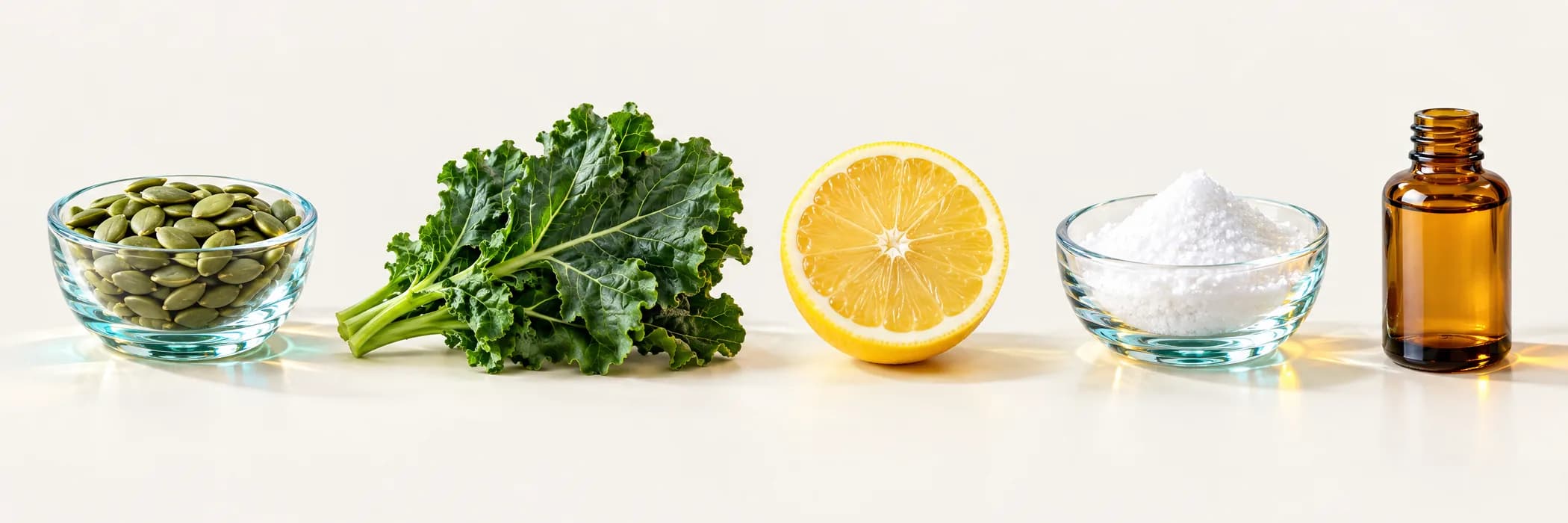
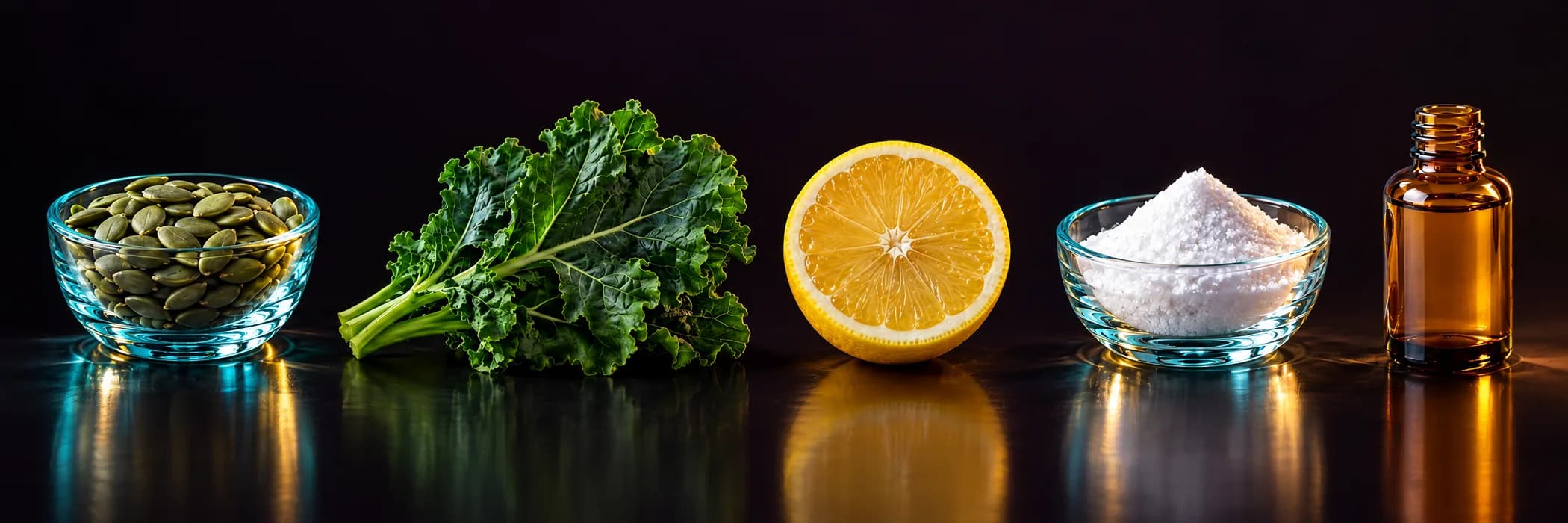
People who run Epitalon in the evening often add the nutrients and habits behind the body's own nighttime melatonin.
Feed the melatonin pathwayTryptophan or 5-HTP, vitamin B6 and magnesium feed the pineal's tryptophan-to-melatonin pathway.
- L-tryptophan or 5-HTP:
- The starting material. L-tryptophan 500 to 1,000 mg at dinner, or 5-HTP 50 to 100 mg at dinner. Pick one, not both.
- Vitamin B6 (P5P form):
- P5P is the cofactor for the enzyme that turns 5-HTP into serotonin. 25 to 50 mg with the evening tryptophan or 5-HTP.
- Magnesium glycinate or threonate:
- An enzyme earlier in melatonin production responds to it, and it supports sleep. 300 to 400 mg elemental in the evening, glycinate for sleep or threonate for cognition.
Light and sleep timingLight and a steady schedule are the strongest body-clock levers, and they cost nothing.
- Morning bright light:
- 10 to 30 min of direct sunlight or a 10,000 lux light box within 1 hour of waking sets up that night's melatonin rise.
- Consistent sleep and wake timing:
- Hold the same wake time, weekends included. A steady schedule improves circadian amplitude and the melatonin peak.
- Less blue light from ~9 PM:
- Blue light (~480 nm) holds back melatonin. Screen filters, amber glasses or dimmed lights from two hours before bed bring melatonin on earlier.
Little else to offsetEpitalon is unlikely to deplete specific nutrients, so there is little to offset.
- Longevity basics:
- Enough protein, an antioxidant-rich diet (polyphenols, colorful plants) and regular aerobic exercise back the same healthy-aging goal.
Dose calculator
Reconstitution calculator
Calculated for a 1 mL U-100 insulin syringe (100 units/mL).
Units per dose
100 units
Draw this many units on a U-100 syringe
Each unit holds 50 mcg
- Volume per dose
- 1 mL
- Doses per vial
- 2
- Concentration
- 5 mg/mL
One vial lasts
- Daily
- 2 days
- Every other day
- 4 days
- 5×/week
- 2 days
- Large draw (100 units). That's normal for mg doses. To check it, multiply the units by what each unit holds. You should get your dose.
Research use only. Not for human consumption. Outputs are reference values based on research literature. Verify all measurements independently.
Side effects and what to watch
What people notice. Very little. The published studies report no adverse events.
How people handle it. Rotate injection sites across the course to avoid local irritation and fatty-tissue changes.
Worth knowing. A 2025 review notes that formal toxicology studies have not been published.
Sources:PMID 40141333
Common questions
How is Epitalon dosed?
The common range is 5 to 10 mg a day by subcutaneous injection, with 5 mg as the default. It runs daily across a 10 to 20 day course, roughly 50 to 200 mg per course.
When do people take it?
In the evening, at or near bedtime. Holding the same slot every night of the course matters more than the exact hour.
Do I need to cycle Epitalon?
Yes. It is run as 10 to 20 daily injections, then 3 to 6 months off. Most people do 1 to 3 courses a year.
What does Epitalon stack with?
Other Khavinson bioregulators. Thymalin is the original pairing, Pinealon adds a brain angle and Vilon adds vascular and immune cover.
How long does a 10 mg vial last?
Two days at 5 mg a day, or one day at 10 mg. Mixed with 2 mL of water, a 5 mg dose takes 1.0 mL, or 100 units on a U-100 syringe.
How is Epitalon different from epithalamin?
Epithalamin is an extract of the pineal gland, a mix of peptides. Epitalon is the single defined four-amino-acid peptide, Ala-Glu-Asp-Gly, built as its synthetic form.
Deep dive
Doses used in studies · Molecular identity · References
10From the researchDoses used in studies
These are the doses used in the published studies, from cell culture to mice to the Khavinson human cohort.
| Dose | Route | Model | Outcome | Sources: |
|---|---|---|---|---|
| Cell-culture exposure | In vitro | Human fetal fibroblasts (cell culture) | Induced hTERT / telomerase activity and telomere elongation; companion paper reported cells overcoming the division limit; single source, not replicated, not in vivo | PMID 12937682 |
| 1 mg, 5×/week, lifelong (from ~2 months of age) | Subcutaneous | Mouse, transgenic her-2/neu | Mean/maximum lifespan +13.5%/+13.9%; fewer mammary adenocarcinomas and metastases; Khavinson-lineage, not independently replicated | PMID 12459848 |
| Injectable multi-day courses (IM/SC), repeated over years | Injection (IM/SC) | Human, elderly cohort (n=266); indexed as RCT but no design detail reported | Claimed large mortality reductions over 6–8 years, but for epithalamin (the extract); no blinding/design detail reported, from the commercializing group | PMID 14523363 |
| 10⁻⁴–10⁻⁶ M perifusion | In vitro | Rat pineal gland (young + old) | NO significant effect on melatonin secretion at any concentration or age, which contradicts the 'restores melatonin' claim | PMID 12809170 |
11ChemistryMolecular identity
- Molecular weight
- 390.35 g/mol
- Molecular formula
- C14H22N4O9
- Monoisotopic mass
- 390.13868 Da
- Sequence (4 AA)
- Ala-Glu-Asp-Gly (AEDG), all-L
- Structure / class
- Synthetic tetrapeptide; defined analog of epithalamin (a bovine pineal-gland peptide extract, not the same as this single molecule)PubChem CID 219042; Khavinson group
- CAS / UNII
- 307297-39-8 (also 64082-79-7) · O65P17785GPubChem CID 219042
- Water solubility
- Highly water-soluble (computed XLogP −5.5; reconstituted in bacteriostatic water)PubChem CID 219042 (computed)
- Molecular target
- No classic receptor identified; claimed telomerase (hTERT) activation / gene-expression modulator, shown only in vitro in human fibroblasts (single source)PMID 12937682
- Half-life
- Not established (no published human pharmacokinetic study; vendor '~30 min' is not from a primary PK source)Not establishedHalf-life curve →
- Regulatory status
- Not FDA-approved; removed from FDA 503A Category 2 (Apr 2026), and removal is not approval. At FDA's PCAC meeting (Jul 24, 2026), FDA proposed against adding it to the 503A bulks list; the committee voted 7 yes, 4 no, 1 abstention to recommend adding it, for the free base and the acetate alike (FDA webcast). The vote is not binding, and no rule had followed as of Oct 2026. Epithalamin extract registered in RussiaFDA / Russian Drug Directory
12Primary sourcesReferences
- PubChem CID 219042PubChem CID 219042 (Epitalon / AEDG; C14H22N4O9, MW 390.35; sequence Ala-Glu-Asp-Gly; CAS 307297-39-8 / 64082-79-7; FDA UNII O65P17785G)
- PMID 12937682Khavinson, Bondarev, Butyugov, Bull Exp Biol Med 2003 (Epitalon induces telomerase activity + telomere elongation in cultured human fetal fibroblasts; IN VITRO; single source; not replicated)
- PMID 15455129Khavinson, Bondarev, Butyugov, Smirnova, Bull Exp Biol Med 2004 (peptide promotes overcoming the division limit in human somatic cells; same in-vitro fibroblast system)
- PMID 14666197Khavinson, Shataeva, Chernova, Bull Exp Biol Med 2003 (hypothesis: regulatory peptides bind promoter sequences to initiate transcription; in silico/in vitro, speculative)
- PMID 12809170Djeridane, Khavinson, Anisimov, Touitou, J Endocrinol Invest 2003 (synthetic AEDG had NO significant effect on melatonin secretion in perfused young/old rat pineal; semi-independent; contradicts the melatonin claim)
- PMID 14523363Khavinson, Morozov, Neuro Endocrinol Lett 2003 (pineal/thymus peptides 'prolong human life'; n=266 elderly, 6–8 yr; PubMed-indexed as RCT but no blinding/design detail reported; studied epithalamin extract; from the commercializing group)
- PMID 12459848Anisimov, Khavinson, Alimova et al., Bull Exp Biol Med 2002 (Epitalon 1 mg SC 5×/wk lifelong; +13.5%/+13.9% mean/max lifespan + fewer tumors in her-2/neu mice; Khavinson lineage; not independently replicated)
- PMID 40141333Araj, Brzezik, Mądra-Gackowska, Szeleszczuk, Int J Mol Sci 2025 (independent narrative review: calls Epitalon 'promising' / rationale plausible, while flagging the gaps; decades-old evidence base, limited structural data, no independent replication, no regulatory-grade toxicology)
- FDA human-drug-compounding guidanceFDA. Epitalon placed on Category 2 interim 503A bulk drug substances list (2023; 'may present significant safety risks'); removed from Category 2 in April 2026 (removal is not approval)
- FDA briefing document (Epitalon), PCAC July 2026FDA briefing document on Epitalon, Pharmacy Compounding Advisory Committee, July 23-24, 2026 (FDA proposed adding neither epitalon free base nor epitalon acetate to the 503A bulks list)
- FDA webcastFDA webcast, Pharmacy Compounding Advisory Committee, July 24, 2026 (Epitalon free base and Epitalon acetate votes, 7 yes, 4 no and 1 abstention each, read into the record by the designated federal officer; FDA had posted no minutes as of October 5, 2026)
- PMID 11550036Goncharova, Khavinson, Lapin, Bull Exp Biol Med 2001 (Epitalon raised evening melatonin and normalized the cortisol rhythm in old female rhesus monkeys)
- PMID 12360351Rosenfeld, Togo, Mikheev et al., Bull Exp Biol Med 2002 (Epitalon cut bone-marrow chromosome aberrations 20%, 30.1% and 17.9% in SAMP-1, SAMR-1 and SHR mice)
Epitalon
10 mg vial
Ki Researcher is affiliated with Ki Peptides.
Ships to the US only. Buyers must be 21 or older.
Reviewed by Ki Researcher Team · Research use only · Not medical advice · Updated 2026-10-19