
Pinealon (EDR)
Khavinson 'Cytogen' synthetic tripeptide (Glu-Asp-Arg, EDR), the brain bioregulator of the family
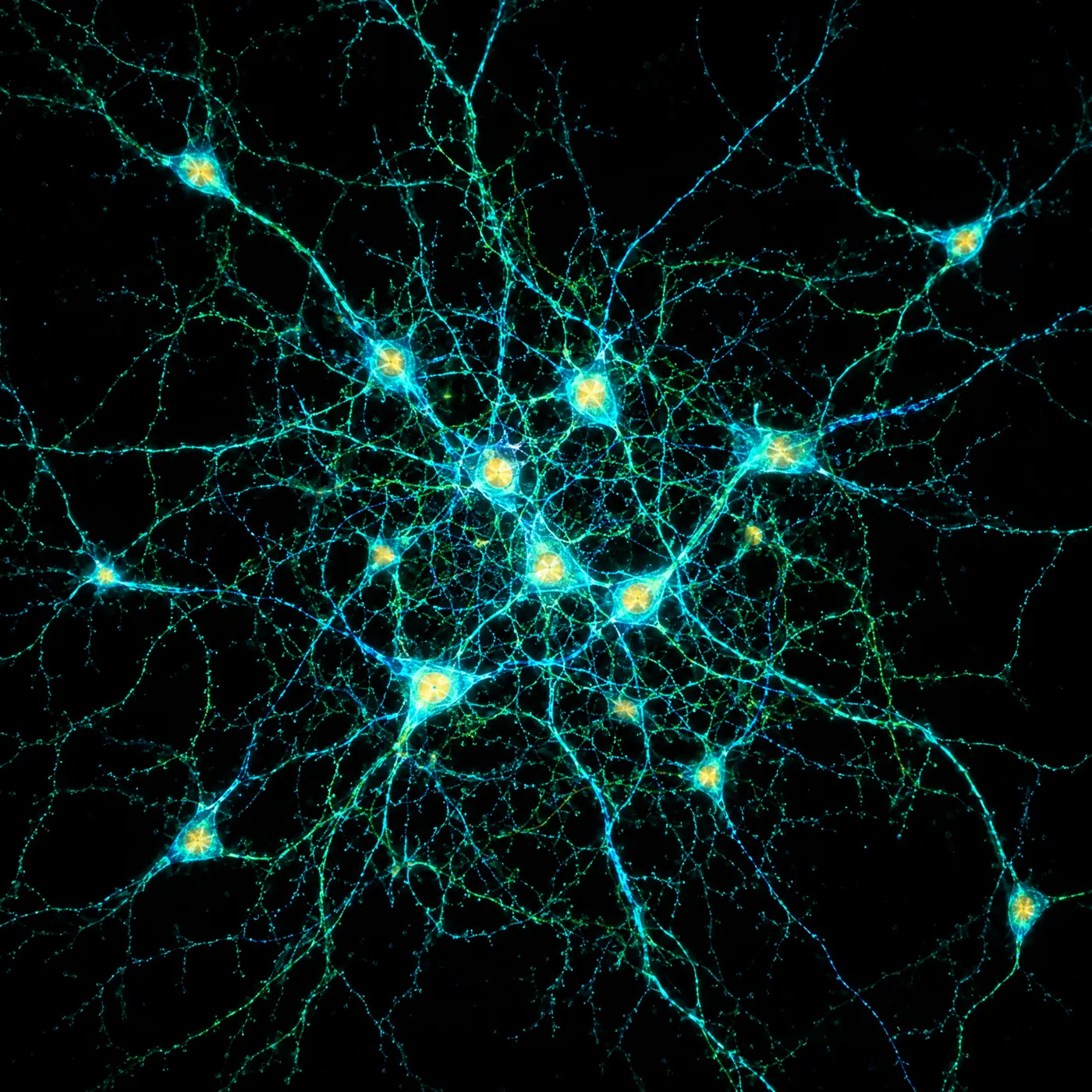
Pinealon (Glu-Asp-Arg, EDR) is the three-amino-acid brain peptide of the bioregulator family from Vladimir Khavinson's St. Petersburg institute. People run it for brain protection and clearer thinking with age. In cultured cells it cut reactive oxygen species, a marker of oxidative stress, and cell death.
Buy Pinealon10 mg vial
Ki Researcher is affiliated with Ki Peptides.
Ships to the US only. Buyers must be 21 or older.
At a glance
- Dose
- 100–200 mcg a day
- How often
- Daily, inside a short course
- How
- A small injection under the skin
- When
- Evening, a mild pineal and circadian lean
- Cycle
- ~10-day courses 2–4 times a year, with 4–6 week breaks
The 30-second versionEverything on this page, fast
Brain antioxidant · Neuroprotection · Cognitive maintenance · Bioregulator
The brain peptide of the Khavinson bioregulator family. A tiny three-amino-acid peptide (Glu-Asp-Arg, "EDR") people run as a brain-antioxidant layer and for neuroprotection and cognitive maintenance with age. It fills the brain slot in a Khavinson stack.
The basics
- A small, well-defined three-amino-acid molecule (Glu-Asp-Arg, "EDR") from the Khavinson bioregulator line.
- The brain tile people slot into a wider bioregulator routine.
Why people use it
- A brain-antioxidant angle. People reach for it to buffer the brain against oxidative load.
- Cognitive maintenance with age. Positioned as neuronal upkeep more than an acute nootropic.
- The brain member of a Khavinson stack. For when the goal is brain tissue specifically.
- A small, contained molecule. Run as a brief, defined course.
Stacks well with
- Semax for focus and BDNF (brain-derived neurotrophic factor). Pinealon rides alongside as the antioxidant layer.
- Epitalon. The flagship Khavinson longevity pairing, the pineal and aging tile next to the brain tile.
Good to know
- Run it as short pulsed courses, not continuously. That is the bioregulator pattern.
- Evening dosing fits its brain and circadian lean.
- It is one tile in the wider Khavinson system, and people run it as part of that routine.
What it does
Pinealon is the brain peptide of the Khavinson bioregulator family. Here is what people run it for.
- Lowers oxidative stress in cultured cellsIn cultured cells it cut the build-up of reactive oxygen species, a marker of oxidative stress, and reduced cell death.
- Better learning in rodent stress studiesIn rodent models (low oxygen, prenatal stress) it improved some learning and brain-chemistry markers. People run it for clearer thinking.
- The brain peptide of the bioregulator setEach Khavinson peptide is assigned one tissue. Pinealon is the brain one, for when the goal is brain tissue specifically.
- Pairs well with SemaxPeople stack it with Semax for BDNF (brain-derived neurotrophic factor) support, with Pinealon as the antioxidant layer.
- A short course, not a daily habitPeople run it in brief pulsed courses of around 10 days, not daily indefinitely.
How it works
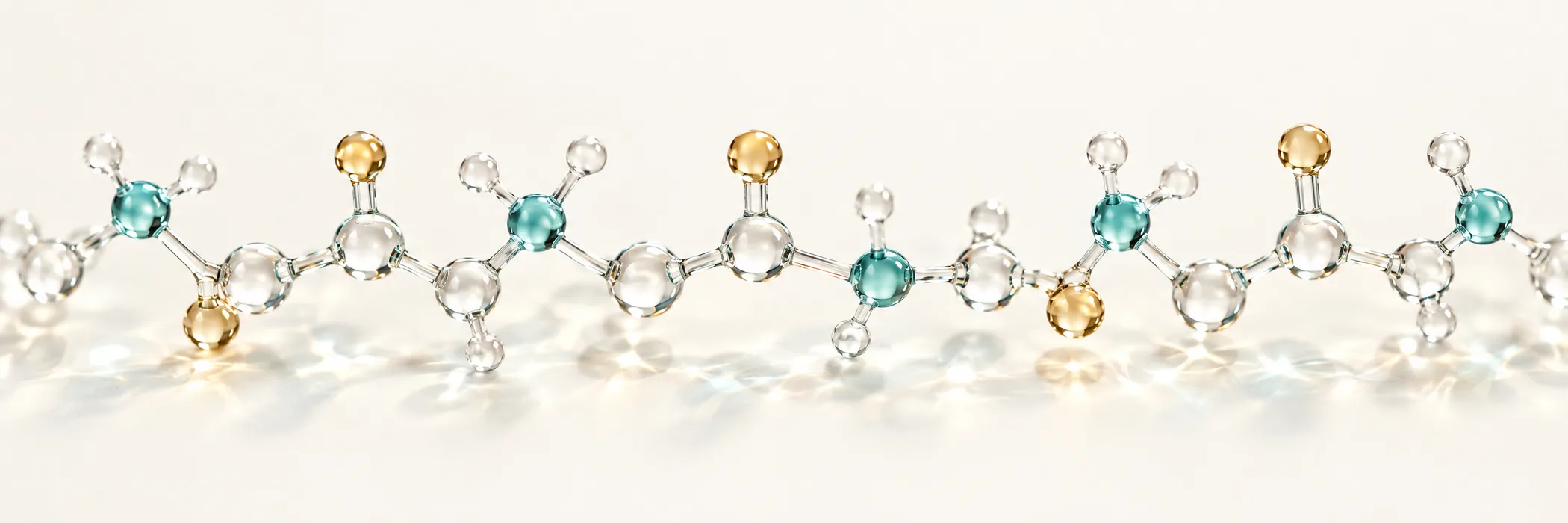
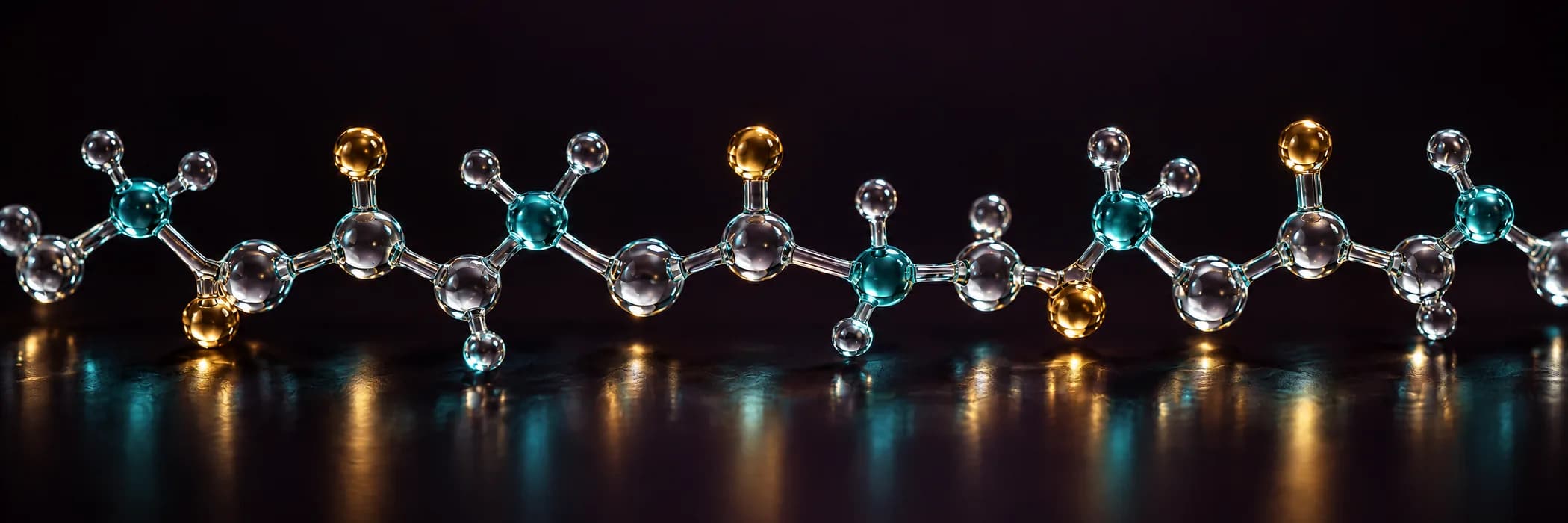
Proposed to work at the gene level. The Khavinson group proposes that ultra-short peptides like Pinealon pass through the cell membrane and the nuclear membrane, reach the DNA and regulate gene expression. The idea is that they switch on genes that keep neurons alive and switch off pathways that drive cell death and oxidative damage.
Lowers oxidative stress in cells. In cultured cells, including cerebellar granule cells and neutrophils, Pinealon lowered reactive oxygen species in a dose-dependent way and reduced cell death.
Supports neurons under stress. In rodent stress models it improved learning and lowered oxidative-stress and neuroinflammatory markers.
How to dose it
Most people run Pinealon as one small injection under the skin each day, in short courses a few times a year.
Dose tiersMost people run 100–200 mcg once daily, starting at 100 mcg.
- Starting dose:
- 100 mcg once daily. The low end, to see how it sits before moving up.
- Standard range:
- 100–200 mcg once daily. The range most people run.
- Upper range:
- Up to 300 mcg once daily, sometimes discussed for longer or more intensive courses.
How to injectA small injection into belly, love-handle or thigh fat, rotated between doses.
- Injection site:
- Abdomen (a couple of inches clear of the navel), love handles or outer thigh. Rotate sites between doses. Reusing one spot risks local irritation and fatty lumps.
- Measuring the dose:
- Draw it on a U-100 insulin syringe. The Mixing the vial card below gives the syringe units, and the calculator handles any vial size.
- Time of day:
- Evening is the usual pick (see Best time to take it above). Morning is also used, and a consistent daily time across the course matters more than the hour.
- Food window:
- An injection under the skin bypasses the gut, so it can go in with or without food.
Cycle and breaksPinealon runs in short pulsed courses of ~10 days, each followed by a 4–6-week break.
- Course length:
- ~10 days of daily dosing, the Khavinson bioregulator pattern. Some people run slightly longer 14-day courses.
- Washout:
- Follow with a 4–6-week break, to prevent desensitization and let downstream effects express and settle.
- Repeat cycle:
- 2–4 courses per year is typical. People use the gaps to reassess cognition and energy.
Mixing the vialA 10 mg vial plus 2 mL of bacteriostatic water makes 5,000 mcg per mL.
- Mixing:
- 10 mg + 2 mL bacteriostatic water = 5,000 mcg/mL. On a 100-unit syringe: 100 mcg takes 2 units, 200 mcg takes 4 units, 300 mcg takes 6 units.
- For a larger draw:
- At 3 mL, about 3,333 mcg/mL, 100 mcg takes 3 units, 200 mcg 6 units and 300 mcg 9 units. A standard vial holds 3 mL at most.
Best time to take it


Implied best time
Evening
Most people take Pinealon in the evening, though the lean is milder than for Epitalon.
- Pinealon is positioned as a pineal-region peptide, so people time it to the pineal's nighttime activity and the brain's overnight repair window.
- Morning dosing is also used, so treat evening as a mild preference.
- Courses are short (around 10 days), so holding a consistent daily time across the course matters more than the exact hour.
What to stack it with


People pair Pinealon with partners that work through a different mechanism.
Pinealon + SemaxSemax brings BDNF and neurotrophic support, and Pinealon adds the antioxidant layer.
- Why it works:
- Semax is studied for BDNF upregulation, neuropeptide signaling and cognitive support in animal and some human studies. Pinealon is proposed to supply the antioxidant environment for that signaling.
- The protocol:
- Pinealon 100–200 mcg under the skin once daily on its ~10-day pulsed course. Semax in the nose (0.1% solution, 2–3 drops per nostril, 1–2× daily) for the same window.
- Outcome:
- For cognitive clarity, neuroprotective maintenance and stress resilience.
Pinealon + EpitalonThe classic Khavinson pairing. Epitalon covers pineal and telomeres, Pinealon the neurons.
- Why it works:
- Epitalon, a four-amino-acid Khavinson peptide, is associated with pineal-gland regulation, melatonin and telomeres. Pinealon adds neuronal antioxidant and viability support.
- The protocol:
- Pinealon 100–200 mcg + Epitalon 5–10 mg, both under the skin, once daily on a shared ~10-day pulsed course, 2–4 times per year.
- Outcome:
- For broad longevity and cognitive-maintenance goals.
Pinealon + BPC-157BPC-157 covers systemic repair and inflammation, and Pinealon adds the brain-antioxidant layer.
- Why it works:
- BPC-157 is studied for reducing neuroinflammation, supporting the gut-brain axis and improving oxidative-stress markers. Pinealon is proposed to work on local neuronal antioxidant tone.
- The protocol:
- Pinealon 100–200 mcg under the skin once daily on its ~10-day course. BPC-157 250–500 mcg under the skin once daily on its own, typically longer, run. The courses can overlap.
- Outcome:
- For brain resilience, oxidative-load management and systemic recovery.
Support nutrients
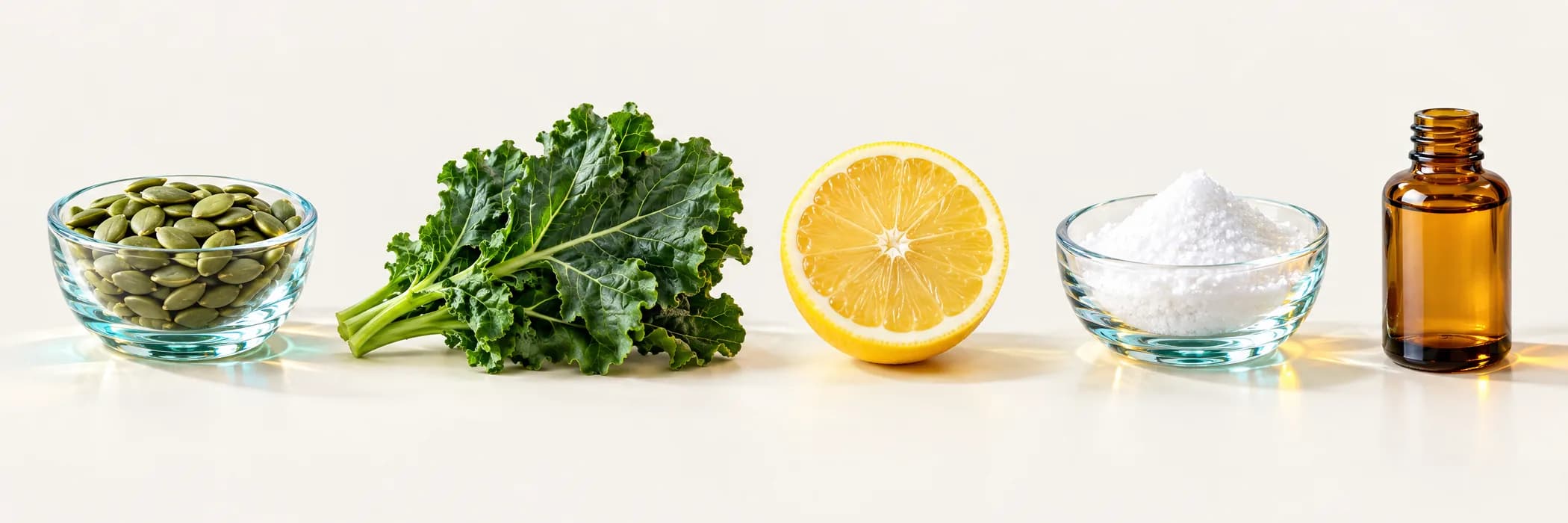
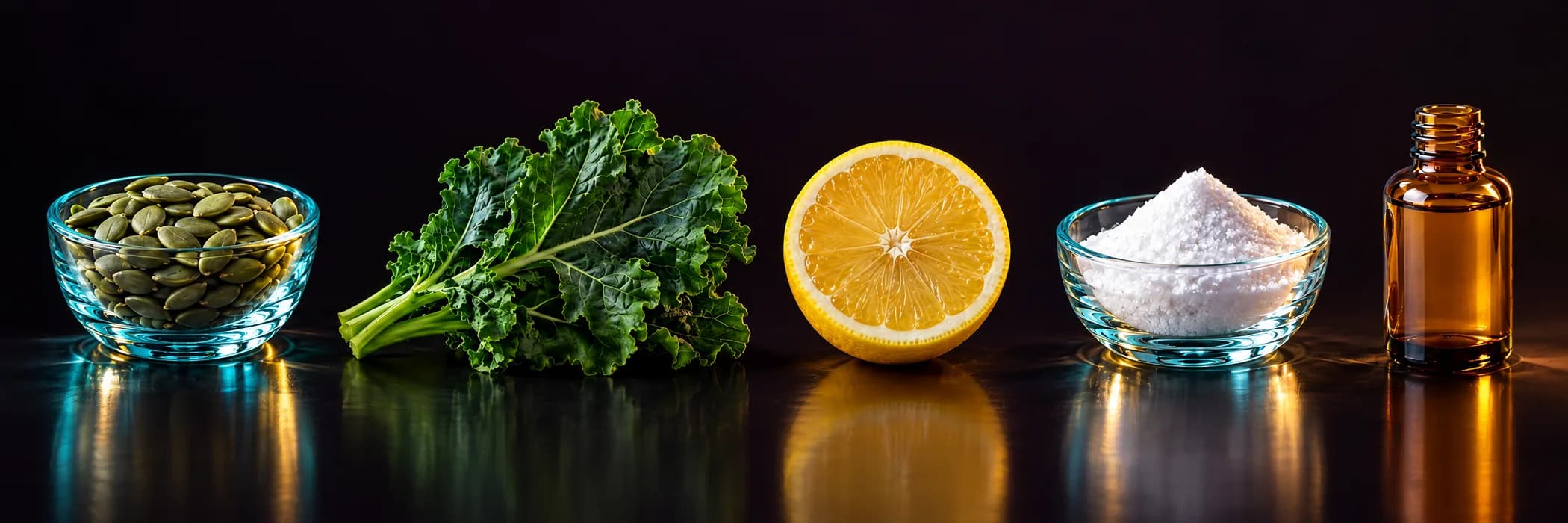
What people add to back the brain's antioxidant and energy systems.
Brain fats and B vitaminsThe raw materials brain cells run on.
- Omega-3 DHA:
- 1–2 g DHA daily from fish oil or algal oil. DHA is the main fatty acid in neuron membranes.
- B6 + B9 + B12 (methylation trio):
- B6 25–50 mg + methylfolate (B9) 400–800 mcg + methylcobalamin (B12) 500–1000 mcg daily. They convert homocysteine, the stressor in one Pinealon rodent study, to methionine.
- Magnesium glycinate or L-threonate:
- 200–400 mg elemental magnesium at night. A cofactor for hundreds of neuronal enzymes. L-threonate has the most published brain-entry evidence.
Light, sleep and cardioThe strongest levers for the body clock and BDNF.
- Morning light exposure:
- 10–30 minutes of direct outdoor light within 1 hour of waking. It sets the body's central clock and its cortisol and melatonin rhythms.
- Consistent sleep schedule (± 30 min):
- Sleep and wake at the same time daily, including weekends. A drifting schedule flattens the cortisol and melatonin rhythm.
- Zone-2 cardiovascular exercise:
- 150–200 min/week of moderate aerobic effort, the most replicated way to raise BDNF in humans. BDNF supports neuronal survival and plasticity.
Antioxidant backupTops up the antioxidant base Pinealon works alongside.
- Vitamin C:
- 500–1000 mg daily (ascorbate or buffered form). It regenerates vitamin E in cell membranes, and cerebrospinal fluid holds ascorbate at 10× plasma concentration.
- Vitamin E (mixed tocopherols):
- 200–400 IU (international units) daily as mixed tocopherols, not alpha-tocopherol alone. A fat-soluble antioxidant in neuronal membranes that quenches lipid peroxidation.
Dose calculator
Reconstitution calculator
Calculated for a 1 mL U-100 insulin syringe (100 units/mL).
Units per dose
4 units
Draw this many units on a U-100 syringe
Each unit holds 50 mcg
- Volume per dose
- 0.04 mL
- Doses per vial
- 50
- Concentration
- 5 mg/mL
One vial lasts
- Daily
- 50 days
- Every other day
- 100 days
- 5×/week
- 70 days
Research use only. Not for human consumption. Outputs are reference values based on research literature. Verify all measurements independently.
Side effects and what to watch
What people notice. In the cell and animal studies the peptide was generally described as well tolerated.
How people handle it. Rotate injection sites between doses to avoid local irritation and fatty lumps.
Worth knowing. The tolerability data comes from cell-culture and rodent studies.
Sources:PMID 21978084
Common questions
What is Pinealon?
A synthetic three-amino-acid peptide (Glu-Asp-Arg, also called EDR) from Vladimir Khavinson's bioregulator line. It is the brain peptide of that family, and people run it for neuroprotection and cognition.
How does it work?
The Khavinson group proposes that it enters the cell nucleus and regulates gene expression directly. In cultured cells it lowered reactive oxygen species and cell death, and in rodent stress models it improved learning and brain markers.
How is it dosed?
Most people run 100–200 mcg once daily as a small injection under the skin, starting at 100 mcg once daily. The upper range is up to 300 mcg once daily.
Do I need to cycle Pinealon?
Yes. People run ~10 days of daily dosing, follow with a 4–6-week break, and repeat for 2–4 courses per year. The break is there to prevent desensitization and let downstream effects express between courses.
When should I take it?
Evening is the usual pick, in line with the pineal's nighttime activity. Morning dosing is also used. A consistent daily time across the course matters more than the exact hour.
Deep dive
Doses used in studies · Molecular identity · References
10From the researchDoses used in studies
These are the doses used in the cell-culture and rodent studies from the Khavinson group.
| Dose | Route | Model | Outcome | Sources: |
|---|---|---|---|---|
| In vitro | Cell culture | Cultured cerebellar granule cells, neutrophils, PC12 cells (Khavinson 2011, Rejuvenation Research) | EDR restricted reactive-oxygen-species (ROS) accumulation and decreased cell death / modified cell-cycle activity, a cell-viability signal, not a clinical outcome | PMID 21978084 |
| Maternal dosing | In vivo (rats) | Pregnant rats with elevated homocysteine; offspring assessed (Arutjunyan 2012, Int J Clin Exp Med) | Offspring showed improved learning and reduced cerebellar oxidative stress versus untreated, a rodent behavioural/biochemical signal | PMID 22567179 |
| In vivo | In vivo (aged rats) | Aged rats under acute hypoxic hypoxia; Cortexin + Pinealon (Mendzheritskiĭ 2014, Advances in Gerontology) | The abstract attributes effects to each agent separately: Pinealon was suggested to raise neurogenesis and lower neuroinflammatory markers toward reference, while the caspase-3 / programmed-cell-death effect is attributed to Cortexin. Terse translated Russian abstract, so read the split with care | PMID 25051764 |
| 400 µg/kg/day (KED), 2–4 months of age | Intraperitoneal | 5xFAD and 5xFAD-M mice, Alzheimer's model, IN VIVO (Khavinson 2021, Pharmaceuticals) | KED and EDR prevented dendritic-spine loss in 5xFAD-M mice; KED tended to increase neuroplasticity. Framed by the authors as epigenetic regulation and supported by molecular docking; single-school work | PMID 34071923 |
11ChemistryMolecular identity
- Molecular formula
- C₁₅H₂₆N₆O₈
- Molecular weight
- 418.40 g/mol
- Monoisotopic mass
- 418.18121 Da
- Sequence (3 AA)
- Glu-Asp-Arg (EDR), L-α-glutamyl-L-α-aspartyl-L-argininePubChem CID 10273502
- Structure / class
- Synthetic tripeptide; Khavinson 'Cytogen' bioregulatorPubChem CID 10273502; Khavinson-school literature
- CAS number
- 175175-23-2PubChem CID 10273502 (EPA DSSTox source)
- PubChem CID
- 10273502PubChem (carries both 'Pinealon' and 'Glu-Asp-Arg' as synonyms)
- UNII
- Unverified, not assertedNo UNII heading in the PubChem record
- Water solubility
- Highly water-soluble (computed XLogP −6.1)PubChem CID 10273502 (computed)
- Molecular target
- No classic receptor; claimed CNS gene-expression modulator (neuroprotection / neuronal viability); single-school positioning, in-vitro & rodent onlyKhavinson-school 'tissue-specific peptide' framework
- Half-life
- Not established (no published human pharmacokinetic data; vendor '2–4 h' figures are not from a primary PK study)Not establishedHalf-life curve →
- Regulatory status
- Not approved by any major drug regulator; no completed independent human efficacy trialsNo NDA/BLA/EMA record located
12Primary sourcesReferences
- PMID 21978084Khavinson V et al., Rejuvenation Research 2011. Pinealon restricted ROS accumulation and decreased cell death in cerebellar granule cells, neutrophils, PC12 cells (in vitro)
- PMID 22567179Arutjunyan A et al., Int J Clin Exp Med 2012. Pinealon in pregnant rats with elevated homocysteine improved offspring learning and reduced cerebellar oxidative stress
- PMID 33396470Khavinson V et al., Molecules 2020. Review/hypothesis: EDR regulation of gene expression relevant to Alzheimer's pathogenesis (no new primary data)
- PMID 34071923Khavinson V et al., Pharmaceuticals (Basel) 2021. KED and EDR prevented dendritic-spine loss in 5xFAD Alzheimer's-model mice, in vivo
- PMID 25051764Mendzheritskiĭ AM et al., Advances in Gerontology 2014. In aged rats under acute hypoxia, Pinealon was suggested to raise neurogenesis and lower inflammation markers, and Cortexin lowered programmed cell death (Russian)
- PubChem CID 10273502PubChem record, identity (CID, formula, MW, CAS, sequence; 'Pinealon' and 'Glu-Asp-Arg' on the same record)
Pinealon
10 mg vial
Ki Researcher is affiliated with Ki Peptides.
Ships to the US only. Buyers must be 21 or older.
Reviewed by Ki Researcher Team · Research use only · Not medical advice · Updated 2026-09-24