
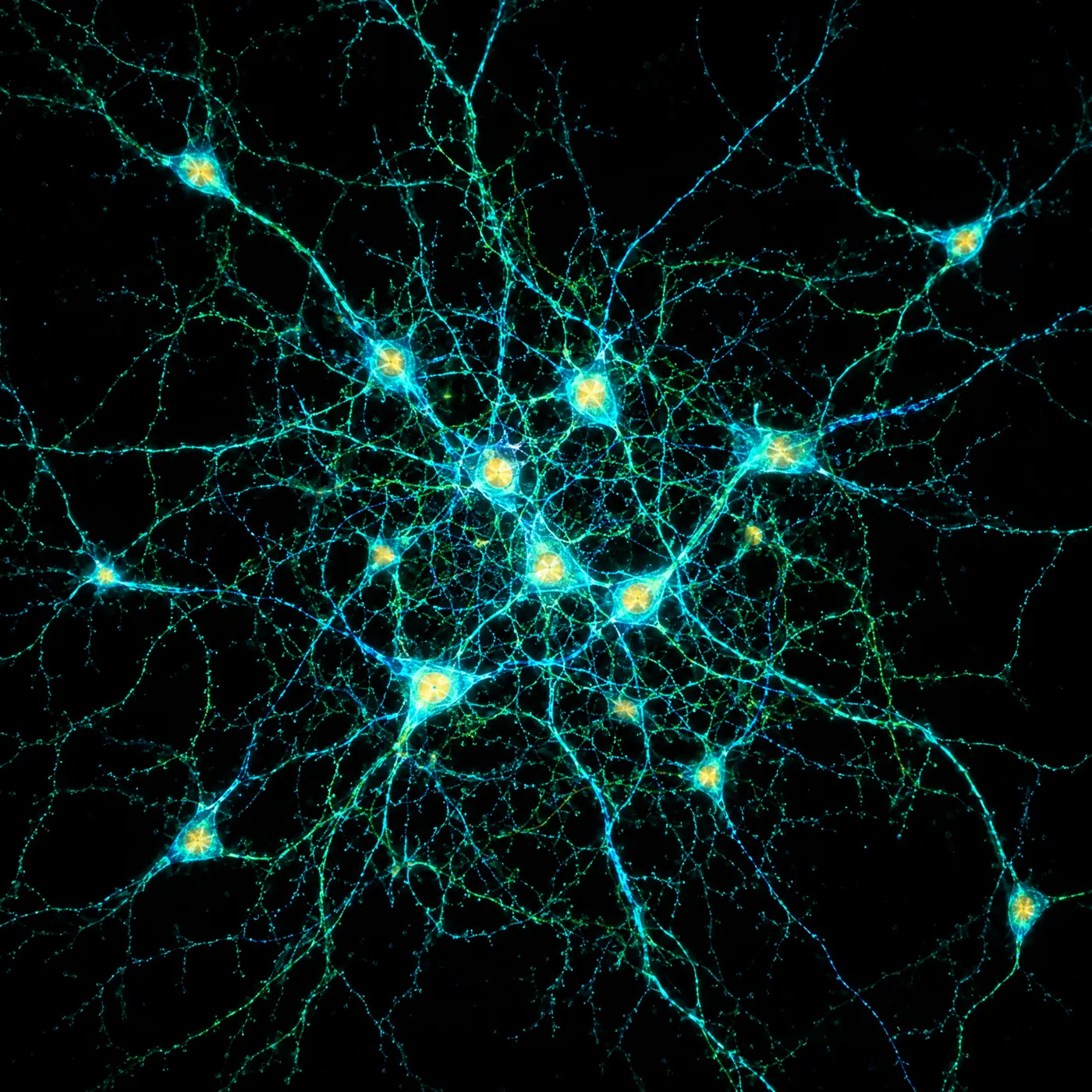
Cerebrolysin
Neurotrophic peptide mixture from pig brain · Ever Pharma · prescription drug in dozens of countries
Cerebrolysin is a mixture of small peptides and free amino acids from pig brain, built to act like the brain's nerve-growth factors. People run it to support neuron survival and repair. A prescription drug approved in 50+ countries for stroke, dementia and traumatic brain injury.
At a glance
- Dose
- 5–10 mL a day into muscle; 30 mL a day by drip
- How often
- Once a day, as a set course
- How
- A slow clinic drip into a vein; smaller doses into muscle
- When
- Morning, since it is mildly activating
- Cycle
- 10–21 daily infusions per course, repeated about quarterly
The 30-second versionEverything on this page, fast
Neurotrophic · Approved in 50+ countries · Pig-brain peptide mixture · Clinic-run course
The prescription neurotrophic. Cerebrolysin's pig-brain peptide fragments carry activity like brain-derived neurotrophic factor (BDNF) and nerve growth factor (NGF), nerve-growth signals that support neuron survival and repair. Approved in 50+ countries for stroke, dementia and brain injury, and given as a clinic infusion course.
The basics
- A standardized mixture of small peptides and free amino acids made by digesting purified pig brain protein.
- Approved in 50+ countries for stroke, dementia and traumatic brain injury. Made by Ever Pharma.
Why people use it
- Brain support by design. Its fragments act like BDNF, NGF, ciliary neurotrophic factor (CNTF) and glial cell line-derived neurotrophic factor (GDNF), growth factors that support neuron survival and repair.
- An approved option abroad for stroke, dementia and traumatic brain injury, the contexts people reach for it in.
- A pro-neurogenesis play. Its fragments are proposed to promote new-neuron formation and guard neurons against injury.
- A clinic-run course. It ships ready to use and is given by slow drip or into muscle under supervision.
Stacks well with
- Semax raises the same BDNF and NGF signals, taken in the nose, so two routes reach the same goal.
- BPC-157 adds blood-vessel growth and tissue repair outside the nervous system, as a small injection under the skin alongside the course.
Good to know
- Infusion reactions (flushing, dizziness, a feeling of heat, mild agitation) track with drip speed. A slow ~60-minute infusion cuts them down.
- The 2023 Cochrane stroke review flagged a probable increase in non-fatal serious adverse events, most pronounced at the 30 mL / 10-day schedule.
- Not named on the 2026 WADA list. If you compete, get a ruling from your federation first.
What it does
A prescription brain drug in 50+ countries, run in daily courses for stroke, dementia and traumatic brain injury.
- Built to act like nerve-growth factorsIts peptide fragments carry growth-factor-like activity aimed at neuron survival and repair, drawn from cell and animal work.
- Approved for stroke, dementia and brain injuryApproved in 50+ countries and used as an add-on in stroke, dementia and traumatic brain injury care.
- Aimed at new neurons and neuroprotectionIn animal models its fragments are proposed to promote new neuron growth, synaptic plasticity and protection from excitotoxic injury.
- A supervised course, ready to useIt ships as a ready solution, given by drip into a vein or injection into muscle in supervised daily courses.
- Pairs with other neurotrophic peptidesIn its Russian and post-Soviet (CIS) clinical tradition it is paired with Semax and citicoline for the same goal.
How it works
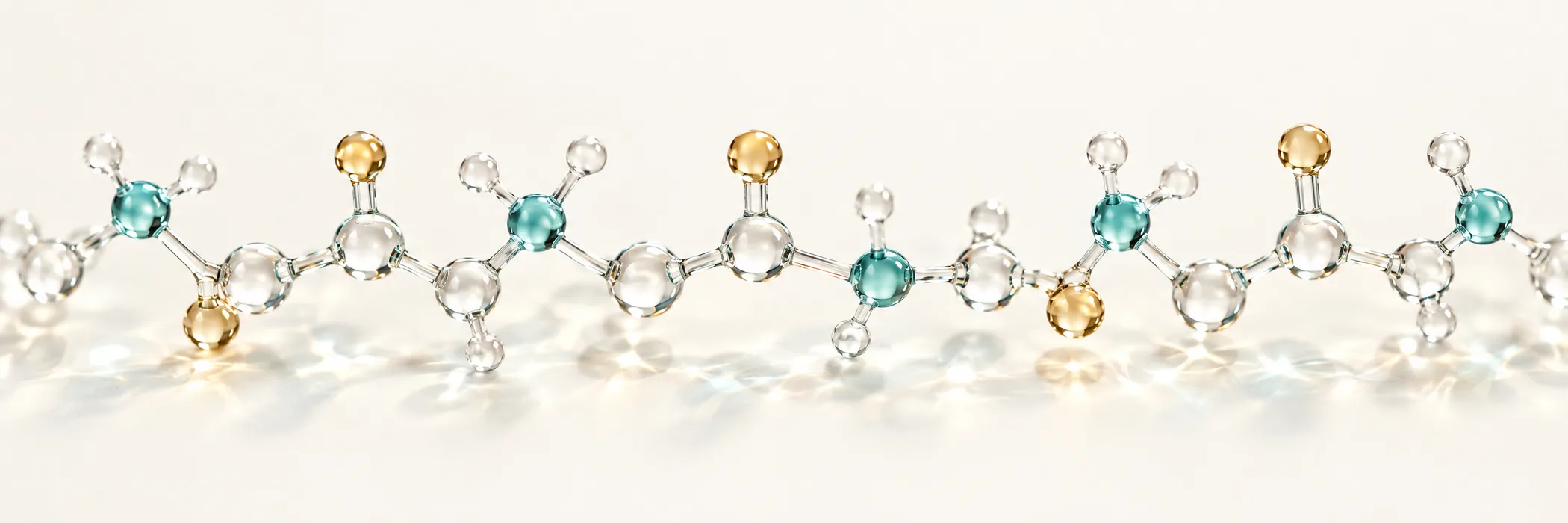
Acts like nerve-growth factors. Its small peptide fragments carry activity like the brain's own survival signals for neurons. Those are BDNF (brain-derived neurotrophic factor), NGF (nerve growth factor), CNTF (ciliary neurotrophic factor) and GDNF (glial cell line-derived neurotrophic factor).
Backs survival and repair. In cell and animal work, the fragments are proposed to promote neuron survival, new neuron formation, synaptic plasticity and protection from excitotoxic damage after injury.
Protects after a simulated stroke. In an early gerbil study, Cerebrolysin reduced delayed neuron death and harmful free-radical generation.
Fragments, not whole factors. Intact growth factors such as BDNF last only minutes in the body, so its effect is described as fragment activity, not stable whole growth factors.
Sources:PMID 8334017PMID 38737662
How to dose it
Given by a clinician, as a daily drip into a vein or an injection into muscle.
Dose tiersMost courses run 30 mL a day by drip, or 5–10 mL a day into muscle.
- Milder use, into muscle:
- 5–10 mL/day into muscle, the lower end, for milder cognitive use.
- Stroke and brain injury:
- 30 mL/day by drip in the major trials (CASTA, CARS), for 10–21 consecutive days.
- Alzheimer's pattern:
- 30 mL/day by drip, 5 days per week for 4 weeks (Panisset et al.).
- The 30 mL schedule:
- More is not shown to be better. A 2023 Cochrane stroke review tied a probable rise in non-fatal serious side effects to the 30 mL / 10-day schedule.
How to injectA slow drip into a vein, or an injection into muscle for smaller doses.
- Into a vein:
- Dilute the dose in 100 mL of 0.9% normal saline (or Ringer's solution) and infuse over about 60 minutes. Do not rush it.
- Into muscle:
- Daily doses of ≤5–10 mL go into the gluteal (buttock) or deltoid (shoulder) muscle. 30 mL is too much volume.
- Keep the line clean:
- Never share a line with balanced amino-acid solutions or certain antidepressants. Check the label before co-infusing.
- No mixing needed:
- Ready as supplied. Just dilute in saline for a drip.
Cycle and breaksCourses of 10–21 daily infusions, repeated about quarterly.
- Course length:
- 10–21 consecutive daily infusions. Acute stroke used 10 days (CASTA) or 21 days (CARS); dementia, 4 weeks of 5-days-on / 2-days-off.
- Between courses:
- A few times per year (roughly quarterly), not back-to-back.
- Courses, not daily use:
- Not run open-ended like a daily supplement.
- Check before repeating:
- Look for a response before starting another course.
What comes in the ampouleA clear, sterile, ready solution, dosed in mL.
- Ready solution:
- Glass ampoules of 1 mL, 5 mL and 10 mL (fill volumes) from Ever Pharma, at a constant 215.2 mg/mL.
- No powder, no bacteriostatic water:
- No freeze-dried powder, no mixing. Dosing is in mL, not mcg from a mixed vial.
- No calculator here:
- No vial to mix, so no mixing calculator.
Sources:PMID 37818733PMID 22282884PMID 26564102PMID 12111446
Best time to take it
Implied best time
Morning
Morning. It is mildly activating, and a morning drip fits the clinic day across a daily course.
- It is described as mildly activating, so a morning infusion keeps any stimulating effect, plus the flushing and heat reactions, within waking hours.
- It is a slow ~60-minute drip (or an injection into muscle) given by a clinician, so morning appointments are the natural default.
- It runs in courses of 10–21 consecutive days, so keeping the same slot across the course matters more than the exact hour.
Sources:PMID 37818733
What to stack it with


Cerebrolysin is studied as an add-on to stroke or dementia care. Pick two or three partners that work differently.
Cerebrolysin + SemaxTwo neurotrophics from the same Russian clinical tradition, by different routes and mechanisms.
- Why it works:
- Semax, a synthetic ACTH(4-7) analog (a piece of adrenocorticotropic hormone), raises brain BDNF and NGF by another pathway. Taken in the nose, it shares no line.
- The protocol:
- Cerebrolysin 10–30 mL/day by drip for the course; Semax 300–600 mcg/day in the nose (2–3 drops per nostril, once or twice daily), in the morning.
- Outcome:
- Commonly combined for cognitive support and post-stroke recovery in Eastern European clinics.
Cerebrolysin + citicolineCerebrolysin sends the growth signal. Citicoline supplies the building material.
- Why it works:
- Citicoline (cytidine diphosphate-choline) supplies choline for acetylcholine and cytidine for membrane repair, with its own modest acute-stroke trial record.
- The protocol:
- Cerebrolysin 10–30 mL/day by drip on the course schedule; citicoline 500–1000 mg/day by mouth with breakfast, including between courses.
- Outcome:
- Common in neuro-rehab clinics for stroke recovery, brain injury and cognitive maintenance.
Cerebrolysin + BPC-157Adds blood-vessel growth and tissue repair outside the central nervous system.
- Why it works:
- BPC-157 promotes new blood vessels and speeds gut, tendon and brain-vascular healing in animal models. Injected under the skin, it shares no line.
- The protocol:
- Cerebrolysin 10–30 mL/day by drip on the course schedule; BPC-157 250–500 mcg/day under the skin (abdomen, rotate sites), through and between courses.
- Outcome:
- Reached for after brain injury or stroke, for vessel repair plus neuroprotection.
Support nutrients
Cerebrolysin sends a growth signal. These feed the repair and ease the drip.
Feed neuron membranesThe raw materials that neuron membranes and repair draw on.
- Omega-3 DHA:
- 1–2 g/day of fish oil or algal DHA (docosahexaenoic acid) with the largest meal. It is the main structural fat of neuron membranes.
- B12 + folate:
- 500–1000 mcg B12 (methylcobalamin) + 400–800 mcg folate (methylfolate) daily. They run the methylation cycle behind myelin repair. Fix any shortfall first.
- Choline (citicoline or alpha-GPC):
- 300–600 mg/day with or after breakfast. Choline feeds acetylcholine, the memory-and-attention messenger, and builds neuron membranes.
Raise your own BDNFExercise and sleep are the strongest everyday levers on the brain's own BDNF.
- Aerobic exercise:
- 30–45 min, 4–5×/week, heart rate up for ≥20 minutes. The best-established BDNF driver in humans. Layer it with the course.
- Sleep:
- 7–9 h on a regular schedule. BDNF synthesis and the brain's waste clearance peak in deep sleep.
- Magnesium L-threonate:
- 1.5–2 g/day (~144 mg elemental magnesium) in the evening. In animals, the only form shown to cross the blood-brain barrier meaningfully.
Smoother infusionsInfusion reactions track with drip speed and are largely manageable.
- Slow drip:
- Infusing over 60 minutes in 100 mL of normal saline cuts flushing, dizziness, heat and mild agitation. Do not rush it.
- Hydration:
- A full glass of water ~30 minutes before, and staying seated during the drip, reduces these reactions.
- No other neurotrophics in the line:
- Do not co-infuse other neurotrophic agents in the same bag. Run stacks in separate sessions.
Side effects and what to watch
What people notice. Dizziness, headache, sweating, a feeling of heat or flushing, and mild agitation, mostly around the infusion. Allergic (hypersensitivity) reactions are rare.
How people handle it. A slow ~60-minute drip cuts the infusion reactions.
Skip it or take care if. The label advises caution with epilepsy and severe kidney impairment.
Worth knowing. The 2023 Cochrane stroke review found a probable increase in non-fatal serious adverse events, most pronounced at the 30 mL / 10-day schedule, with no rise in deaths. The 2019 Cochrane vascular-dementia review found side-effect rates similar to control.
Sources:PMID 37818733PMID 31710397
Common questions
What do people run Cerebrolysin for?
Neuron survival and repair. It is a prescription drug in 50+ countries for stroke, dementia and traumatic brain injury, used as an add-on to standard care.
What is it made of?
A standardized mixture of low-molecular-weight peptides and free amino acids, made by digesting purified, lipid-free pig brain protein. As a mixture, it has no single chemical formula, sequence or PubChem ID.
How is it dosed?
Most courses run 30 mL a day by slow drip into a vein, diluted in 100 mL saline over ~60 minutes. Milder use runs 5–10 mL a day as an injection into muscle.
How long is a course?
10–21 consecutive daily infusions, repeated roughly quarterly rather than back-to-back. Dementia protocols used 4 weeks of 5-days-on / 2-days-off.
What does it stack with?
Semax at 300–600 mcg/day in the nose, citicoline at 500–1000 mg/day by mouth, or BPC-157 at 250–500 mcg/day under the skin. Each runs apart from the drip.
Does it need mixing?
No. It ships as a ready solution in 1 mL, 5 mL and 10 mL ampoules at 215.2 mg/mL. For a drip, the dose is diluted in saline.
Deep dive
Doses used in studies · Molecular identity · References
09From the researchDoses used in studies
These are the doses used in the published trials, all given by drip into a vein under medical supervision.
| Dose | Route | Model | Outcome | Sources: |
|---|---|---|---|---|
| Pooled across trials | IV | Cochrane review, acute ischaemic stroke (7 RCTs, 1,773 pts) | No benefit on death (moderate-certainty) AND a probable INCREASE in non-fatal serious adverse events; benefit 'not supported by reliable evidence' | PMID 37818733 |
| Pooled across trials | IV | Cochrane review, vascular dementia (6 RCTs, 597 pts) | Signal toward cognition/global benefit but only VERY-LOW-quality, high-risk-of-bias evidence; all studies industry-supported | PMID 31710397 |
| 30 mL/day × 10 days | IV | Human RCT, CASTA, acute ischaemic stroke (n=1,070) | NULL. No significant difference vs placebo on the primary global endpoint; only an exploratory trend in the most severe strokes | PMID 22282884 |
| 30 mL/day × 21 days | IV | Human RCT, CARS, stroke recovery (n=205, manufacturer-sponsored) | Positive on a motor-recovery endpoint (ARAT) at day 90 (contrast with the null CASTA and the cautious Cochrane verdict) | PMID 26564102 |
| 30 mL/day, 5 d/wk × 4 wk | IV | Human RCT, Alzheimer's disease (n=192) | Significant global-impression benefit at week 12 (manufacturer-linked study group) | PMID 12111446 |
10ChemistryMolecular identity
- Type
- Peptide + free-amino-acid mixture (not a single molecule)Seidl & Aigner, J Med Life 2024 (PMID 38737662)
- Source
- Purified, lipid-free porcine (pig) brain protein, enzymatically digestedSeidl & Aigner 2024 (PMID 38737662)
- Manufacturer
- Ever Pharma (standardized preparation, supplied as a ready aqueous solution in ampoules)Manufacturer record; Seidl & Aigner 2024 (PMID 38737662)
- Peptide fraction
- Low-molecular-weight peptides ≤10 kDaSeidl & Aigner 2024 (PMID 38737662)
- Composition
- ~15–25% peptides / 75–85% free amino acids (source-dependent)Manufacturer + secondary literature (ratio varies by source)
- Molecular target
- Claimed neurotrophic, BDNF/NGF/CNTF/GDNF-like fragment activity (mechanistic / in-vitro + animal; not a single defined target)Seidl & Aigner 2024 (PMID 38737662); gerbil study (PMID 8334017)
- CAS number
- 12656-61-0 (umbrella identifier for the preparation)Chemical registries (CymitQuimica, ChemicalBook)
- Molecular weight / formula / sequence
- Not applicable (it is a multi-component mixture)By definition of the preparation
- Half-life
- Not established (multi-component preparation, no validated single-value pharmacokinetics)Not established
- Regulatory status
- Approved in 50+ countries (Russia, China, South Korea, much of Eastern Europe + Latin America); NOT FDA-approved and no central EMA approval; investigational in the USRegulatory record; Cochrane reviews (PMID 37818733)
11Primary sourcesReferences
- PMID 37818733Ziganshina et al., Cochrane Database Syst Rev 2023. Cerebrolysin for acute ischaemic stroke (7 RCTs, 1,773 pts)
- PMID 31710397Cui et al., Cochrane Database Syst Rev 2019. Cerebrolysin for vascular dementia (6 RCTs, 597 pts)
- PMID 22282884Heiss et al., Stroke 2012. CASTA, Cerebrolysin in acute ischaemic stroke (n=1,070, null primary endpoint)
- PMID 26564102Muresanu et al., Stroke 2016. CARS, Cerebrolysin and Recovery After Stroke (n=205)
- PMID 12111446Panisset et al., J Neural Transm 2002. Cerebrolysin in Alzheimer's disease (n=192)
- PMID 8334017Protective effect of FPF-1070 (Cerebrolysin) on delayed neuronal death in the gerbil (animal mechanism study)
- PMID 38737662Seidl & Aigner, J Med Life 2024. Composition/biological activity of Cerebrolysin (manufacturer-favorable)
- WADA 2026WADA 2026 Prohibited List (Cerebrolysin not individually named; status by inference)
Reviewed by Ki Researcher Team · Research use only · Not medical advice · Updated 2026-09-24