
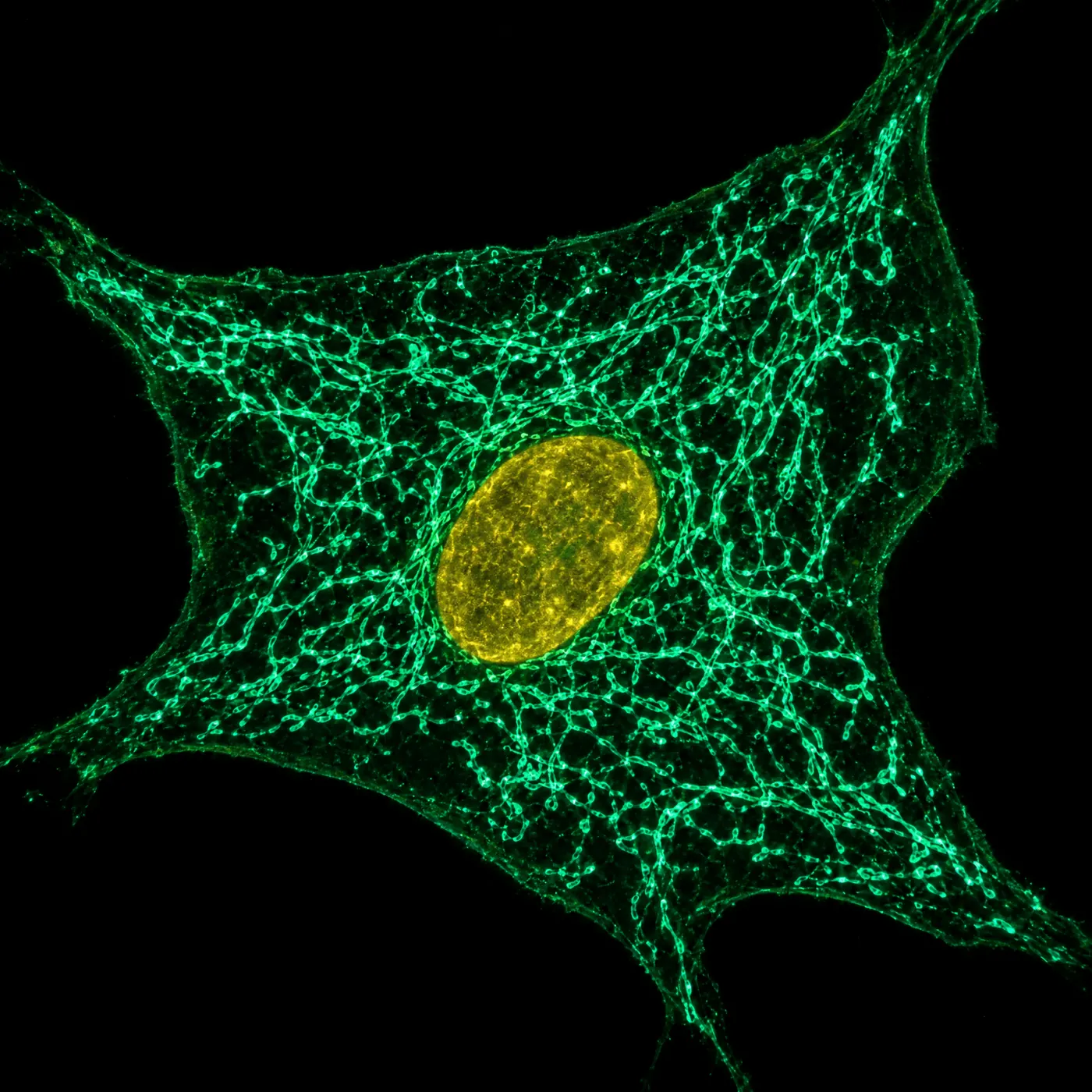
NAD+
Nicotinamide adenine dinucleotide · redox coenzyme (not a peptide)
NAD+ is the coenzyme every cell runs on. It carries the electrons that turn food into energy and fuels sirtuins and PARPs, the enzymes behind repair and longevity. Levels fall with age, so people run it as the base of a mitochondrial or longevity stack.
Buy NAD+500 mg vial
Ki Researcher is affiliated with Ki Peptides.
Ships to the US only. Buyers must be 21 or older.
At a glance
- Dose
- 50–100 mg a day, 50 mg the first week
- How often
- Once daily
- How
- A small shot under the skin, given slowly
- When
- Morning, so any flush is easier to manage while awake
- Cycle
- 4–8 weeks on, then a 2–4 week break
The 30-second versionEverything on this page, fast
Cellular energy · Mitochondrial support · Longevity base layer · Anti-aging
The cell's electron carrier. NAD+ powers how your cells make energy, fuels the "longevity" enzymes (sirtuins and PARPs) and works as the base layer under the rest of a mitochondrial stack.
The basics
- A coenzyme (not a peptide) that every cell uses to turn food into energy.
- Levels fall with age, which is why it's a longevity / anti-aging mainstay.
Why people use it
- Powers cellular energy. It's the electron carrier behind ATP production.
- Fuels the longevity enzymes. Sirtuins and PARPs run on NAD+.
- The base layer for mitochondrial and metabolic goals.
- Stacks with mitochondrial peptides, MOTS-c and SS-31.
Stacks well with
- MOTS-c adds the signal to build new mitochondria, and NAD+ fuels the enzymes it relies on.
- SS-31 protects the membrane that houses the electron chain.
Good to know
- Go slow. Flushing, nausea and chest pressure come from injecting too fast.
- Hydrate before and after (500–750 mL water), the simplest way to blunt the flush.
- Much of injected NAD+ breaks down outside the cell before it is taken up.
What it does
The base layer people build an energy or longevity stack on.
- Powers cellular energyIt's the electron carrier at the center of turning food into ATP, the cell's energy currency.
- Fuels the longevity enzymesSirtuins and PARPs burn NAD+ to do their jobs, including DNA repair. Levels fall with age in animal studies.
- A metabolic base layerIt fuels the mitochondrial electron chain, so people build it into the base of a metabolic or mitochondrial stack.
- Stacks with mitochondrial peptidesIt supplies the fuel for MOTS-c, which builds new mitochondria, and SS-31, which protects their membrane.
- Backed by precursor researchOral precursors nicotinamide riboside (NR) and nicotinamide mononucleotide (NMN) reliably raise blood NAD+ in controlled trials.
Sources:PubChem CID 5892PMID 31278280PMID 36482258PMC4911708
How it works
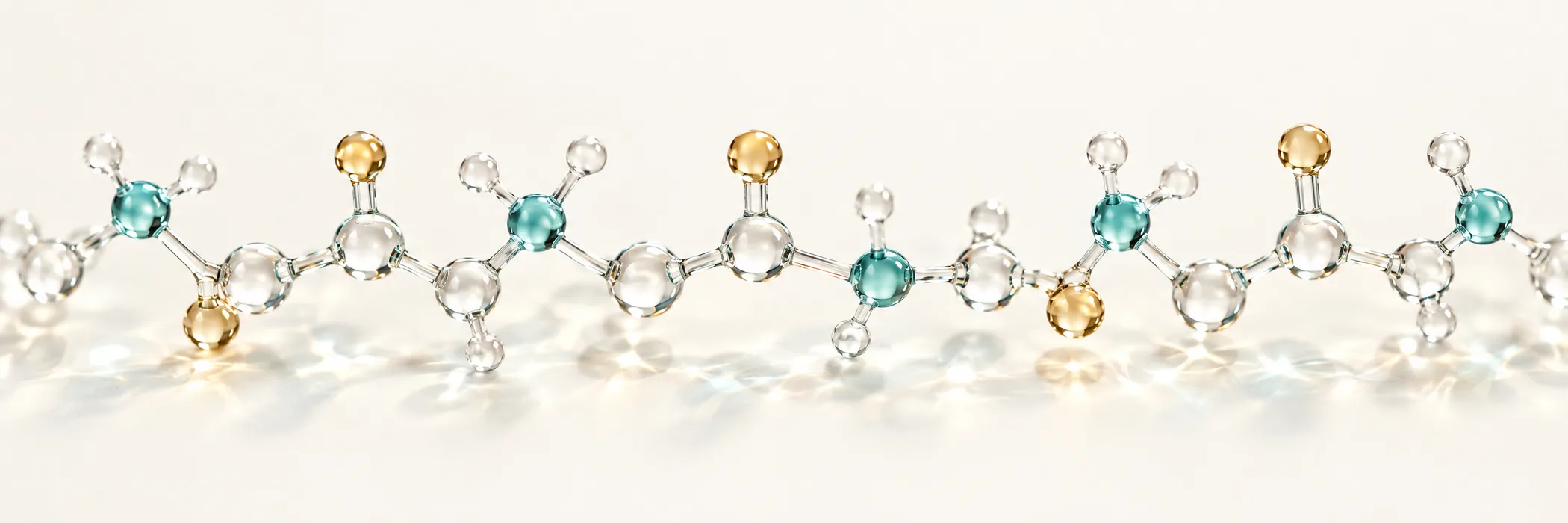
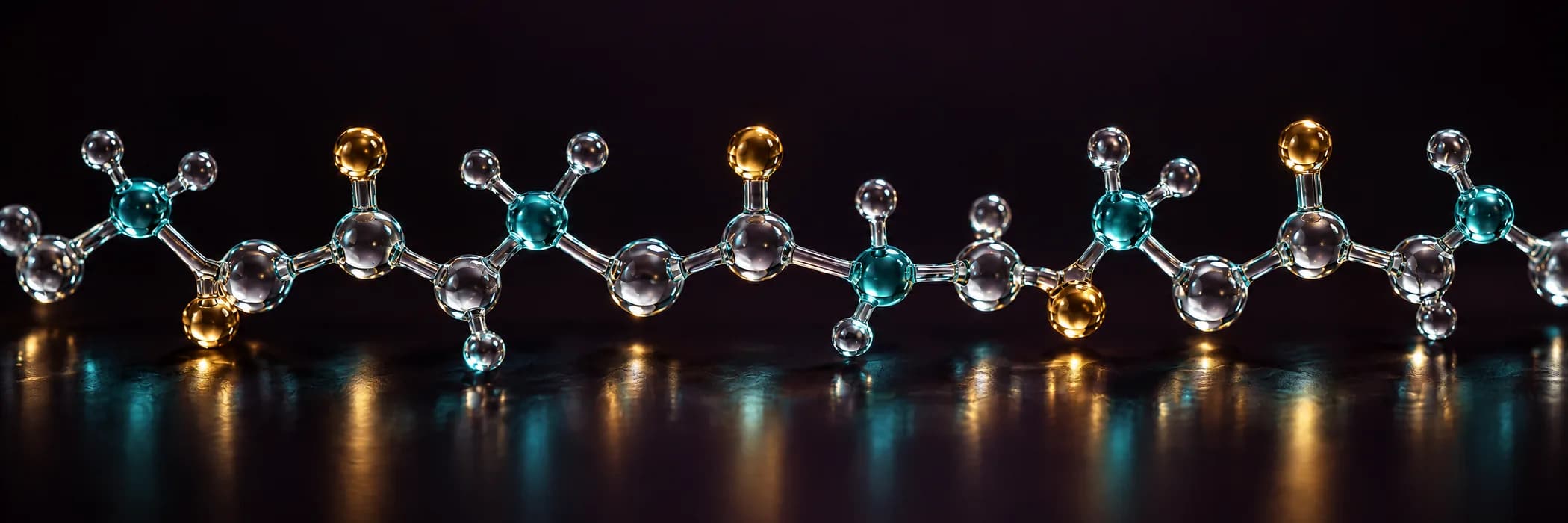
Powers energy production. NAD+ carries electrons between cell reactions. It picks up electrons during glycolysis and the citric-acid cycle, then feeds them to the mitochondria, driving the ATP that fuels the cell.
Fuels repair enzymes. Sirtuins, PARPs and CD38 consume NAD+ to do their jobs. Sirtuins strip chemical tags off proteins and sit at the center of aging research, PARPs repair DNA damage, and CD38 breaks NAD+ down. The more they work, the more NAD+ they use.
Falls with age. Cells rebuild NAD+ mainly through the salvage pathway, recycling nicotinamide with the enzyme NAMPT. Research shows CD38 activity rises with age and drives much of the decline, more than reduced production.
Sources:PubChem CID 5892PMC4911708
How to dose it
Most people run NAD+ as a small shot under the skin, once a day.
Dose tiersMost people run 50–100 mg once a day, starting at 50 mg.
- Starting dose:
- 50 mg once daily for the first week. This floor dose shows your tolerance before you go up.
- Standard range:
- 50–100 mg once daily is the common ongoing range. Flushing risk climbs near the top, so some split it into two 50 mg shots.
- IV clinic dose:
- Clinics run 750 mg IV over about 6 hours, the only published human pharmacokinetic dose (Grant 2019). Speed matters. The slow rate was the one that caused no reactions.
How to injectA small injection under the skin, in the morning, rotating sites each time.
- Injection site:
- Belly (at least two inches from the navel), outer thigh, or love handle. Rotate sites to avoid irritation and lumps (lipohypertrophy).
- Measuring the dose:
- On a U-100 syringe at 100 mg in 1 mL bacteriostatic water, 50 mg takes 50 units and 100 mg takes 100 units. The calculator handles any vial size.
- Time of day:
- Morning suits once-daily dosing best. It's easier to manage flushing while awake, so don't inject right before bed.
- Food window:
- Meals don't matter here. Drink water before and after the shot to cut down on flushing.
Cycle and breaksMost people run 4–8 weeks, then take 2–4 weeks off.
- Standard cycle:
- 4–8 weeks of daily use, then reassess. IV clinics often load with 5–10 consecutive daily sessions, then switch to monthly maintenance.
- Washout:
- 2–4 weeks off. Recheck any metabolic or energy markers during the break; the trend matters more than any single reading.
Mixing the vialThe standard 100 mg vial takes 1 mL of water, so each unit holds a milligram.
- Mixing:
- 100 mg + 1 mL bacteriostatic (BAC) water makes 100 mg/mL. On a U-100 syringe: 50 mg takes 50 units, 75 mg takes 75 units, 100 mg takes 100 units.
- Why 1 mL:
- Keeping it 1:1 keeps the math simple and avoids a large injection volume.
Sources:PMID 31572171PMID 41704678
Best time to take it


Implied best time
Morning (slow)
Most people take NAD+ in the morning and go slowly, since flushing and nausea climb fast with speed.
- NAD+ feeds the daytime energy machinery, so it pairs with the active hours. Don't dose right before sleep.
- Speed beats the clock. In the one intravenous (IV) pilot, only the slow ~6-hour infusion caused no reactions, so go slow and stay hydrated.
- No study sets a human half-life for NAD+, so timing here follows its energy role and how well people tolerate it.
Sources:PMID 31572171
What to stack it with


NAD+ supplies the fuel. Each partner works the mitochondria from another angle.
NAD+ + MOTS-cNAD+ supplies the fuel. MOTS-c turns on the program that rebuilds mitochondria.
- Why it works:
- MOTS-c signals the nucleus to build new mitochondria and switch on AMPK. NAD+ fuels the enzymes it relies on.
- The protocol:
- NAD+ 50–100 mg SC once daily. MOTS-c runs 5–10 mg SC two to three times a week, or 5 mg daily. Inject at different sites and rotate.
- Outcome:
- People run it for metabolism, insulin sensitivity and body composition.
NAD+ + SS-31NAD+ keeps the fuel flowing. SS-31 protects the membrane that houses the electron chain.
- Why it works:
- SS-31 (elamipretide) binds cardiolipin and stabilizes the electron-transport membrane. NAD+ handles the substrate, SS-31 the structure.
- The protocol:
- NAD+ 50–100 mg SC once daily. SS-31 trials used 0.25–2.5 mg/kg IV; community SC dose runs 5–10 mg daily or every other day. Inject at different sites and rotate.
- Outcome:
- People run this for mitochondrial membrane health and age-related energy decline.
NAD+ + HumaninNAD+ fuels the machinery. Humanin adds a survival signal that helps cells handle stress.
- Why it works:
- Humanin protects cells via the gp130/STAT3 pathway. One is a survival signal, the other fuel.
- The protocol:
- NAD+ 50–100 mg SC once daily. Humanin runs 2–4 mg SC two to three times a week, on its own community convention. Inject at different sites and rotate.
- Outcome:
- People reach for it for longevity, neuroprotection and metabolic resilience as Humanin falls with age.
Support nutrients
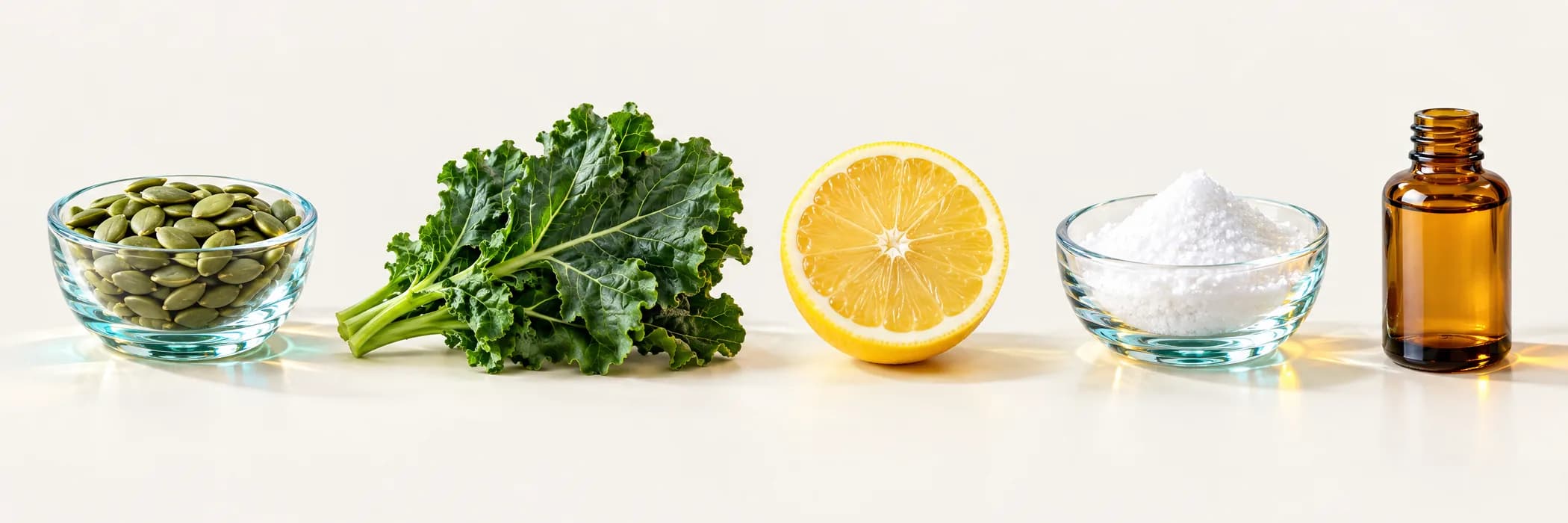
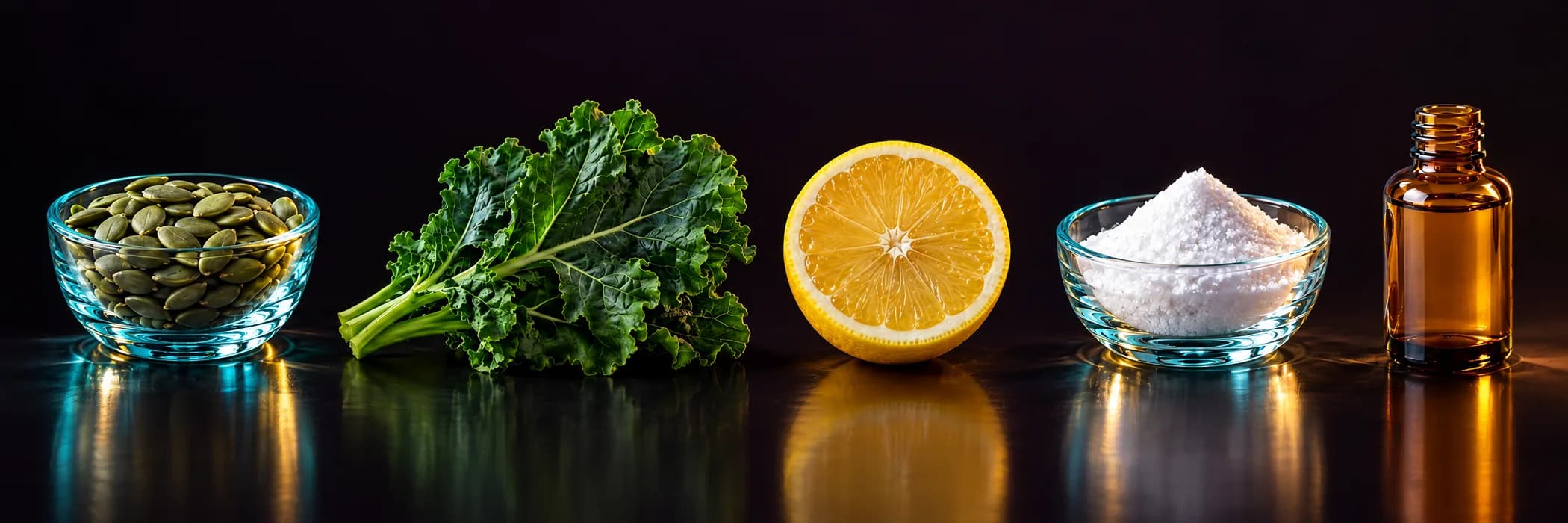
Cells burn through NAD+ fast. These cofactors feed it and ease the flush.
Feed the NAD+ pathwaysNiacin, precursors and protein feed the three NAD+ routes.
- Niacin:
- 25–50 mg niacin daily tops up the niacin route and feeds the same pool. Doses under 35 mg a day avoid the flush.
- NR or NMN:
- 100–300 mg NR or NMN daily feeds the salvage pathway and reliably raises blood NAD+.
- Protein:
- At least 1.2 g/kg protein daily supplies tryptophan for the from-scratch route. Diet alone covers it.
- TMG:
- 500–1000 mg TMG (trimethylglycine) daily restocks methyl groups used to clear extra nicotinamide from precursor dosing. Standard once NR or NMN passes 300 mg.
- Methylated B12 + methylfolate:
- Methylcobalamin 1000 mcg plus methylfolate 400–800 mcg daily supports the methyl cycle that clears nicotinamide. Best with TMG.
Support the energy chainCoenzyme Q10 (CoQ10), B vitamins and magnesium power the energy chain.
- CoQ10:
- 100–200 mg ubiquinol daily with a fatty meal feeds the electron-transport chain.
- B-complex:
- A B-complex at breakfast covers B1, B2 and B6.
- Magnesium:
- 300–400 mg magnesium glycinate or malate daily, in the evening, feeds ATP synthase and NAMPT, which recycles NAD+.
Ease the flushingA slow ramp and water ease flushing and nausea. Quercetin eases the flush.
- Titration:
- Start at 50 mg under the skin (SC) and hold a week before increasing.
- Hydration:
- 500–750 mL of water in the 30 minutes before and after the shot blunts the flush.
- Quercetin:
- 500 mg isoquercetin 20–30 minutes before the shot eases the flush.
Dose calculator
Reconstitution calculator
Calculated for a 1 mL U-100 insulin syringe (100 units/mL).
Units per dose
50 units
Draw this many units on a U-100 syringe
Each unit holds 1,000 mcg
- Volume per dose
- 0.5 mL
- Doses per vial
- 2
- Concentration
- 100 mg/mL
One vial lasts
- Daily
- 2 days
- Every other day
- 4 days
- 5×/week
- 2 days
- Large draw (50 units). That's normal for mg doses. To check it, multiply the units by what each unit holds. You should get your dose.
Research use only. Not for human consumption. Outputs are reference values based on research literature. Verify all measurements independently.
Side effects and what to watch
What people notice. Fast IV infusions bring flushing, nausea, a raised heart rate and chest tightness, sometimes with cramping or lightheadedness. The slow ~6-hour infusion in the human pilot caused none of this.
How people handle it. Going slow is what works. A retrospective review found these reactions force a slower drip, and they clear once the infusion ends.
Skip it or take care if. You're watching niacin intake. NAD+ breaks down into nicotinamide. For oral niacin the safe daily ceiling is 35 mg/day, set by flushing; that is an oral reference point, not a measured limit for injected NAD+. Chronic gram-level nicotinamide intake has been linked to liver harm.
Common questions
Is NAD+ a peptide?
No. NAD+ is a small coenzyme, not a peptide chain. It's grouped with the other non-peptides in this catalog, like 5-Amino-1MQ and Glutathione.
What's the difference between NAD+ and NR or NMN?
NR and NMN are oral precursors the body converts toward NAD+, and they reliably raise blood NAD+ in trials. Injectable NAD+ is the molecule itself, not a precursor.
Do NR and NMN have proven benefits?
They raise blood NAD+ reliably. Clinical benefit across trials is weak or mixed.
Does injectable NAD+ get into cells intact?
Mostly not directly. The one human pharmacokinetic study saw a big rise in NAD+ breakdown products after infusion, which points to outside-the-cell breakdown before uptake.
How is NAD+ dosed?
As a small shot under the skin, usually 50–100 mg once a day, or 750 mg IV over about 6 hours in a clinic.
Is it true NAD+ drops 50% by age 50?
Research shows NAD+ falls with age, and CD38 activity drives much of the decline. No study across human tissue pins it to that exact figure.
Deep dive
Doses used in studies · Molecular identity · References
10From the researchDoses used in studies
These are the doses used in the published studies. Most of the human data comes from the oral precursors NR and NMN.
| Dose | Route | Model | Outcome | Sources: |
|---|---|---|---|---|
| 750 mg IV over 6 h (~3 µmol/min) | Intravenous | Human, PK pilot (n=11; 8 infused + 3 controls) | No plasma NAD+ rise for the first ~2 h, then +398% by 6 h; large rise in nicotinamide + ADP-ribose (extracellular degradation) | PMID 31572171 |
| 100 / 300 / 1000 mg/day, oral, 8 wk | Oral (NR precursor) | Human, RCT (n=140, overweight) | Whole-blood NAD+ rose dose-dependently (+22% / +51% / +142%); well tolerated, no flushing | PMID 31278280 |
| 300 / 600 / 900 mg/day, oral, ~60 days | Oral (NMN precursor) | Human, RCT (NCT04823260) | Blood NAD+ rose at all doses; six-minute walk distance improved vs placebo; HOMA-IR unchanged | PMID 36482258 |
| 500 mg IV daily × 4 consecutive days | Intravenous | Human, retrospective chart review, commercial wellness setting, 30-day follow-up | Moderate-to-severe GI symptoms, raised heart rate and chest pressure during NAD+ infusions, all resolving on completion. Those symptoms FORCED longer infusions (97 min vs 37 min for NR) rather than the rate causing the symptoms. Exploratory metabolic biomarkers were reported | PMID 41704678 |
11ChemistryMolecular identity
- Molecular weight
- 663.4 g/mol
- Molecular formula
- C21H27N7O14P2
- Monoisotopic mass
- 663.1091 Da
- XLogP
- −6 (extremely hydrophilic)
- Topological polar surface area
- 321 Ų
- H-bond donors / acceptors
- 7 donors · 18 acceptors
- CAS / UNII
- 53-84-9 · 0U46U6E8UK
- Compound class
- Dinucleotide redox coenzyme (not a peptide)PubChem CID 5892
- IUPAC name
- [[(2R,3S,4R,5R)-5-(6-aminopurin-9-yl)-3,4-dihydroxyoxolan-2-yl]methoxy-hydroxyphosphoryl] [(2R,3S,4R,5R)-5-(3-carbamoylpyridin-1-ium-1-yl)-3,4-dihydroxyoxolan-2-yl]methyl phosphatePubChem CID 5892
- Structure
- Adenine + nicotinamide bases, two ribose sugars, joined by a pyrophosphate (di-phosphate) bridgePubChem CID 5892
- Water solubility
- Freely water-soluble (highly polar; XLogP −6)PubChem CID 5892
- Reduced form (NADH)
- C21H29N7O14P2, MW 665.4 g/mol (carries the extra hydride)PubChem CID 439153
- Molecular role
- Electron-carrying coenzyme; substrate for sirtuins, PARPs, CD38; salvage pathway via NAMPTResearch literature
- Plasma half-life
- Not established. The one human IV pilot tracked delayed metabolite appearance, not a t½; infused NAD+ is rapidly degraded extracellularly to nicotinamide + ADP-ribosePMID 31572171
- Regulatory status
- Not an FDA-approved drug; IV/injectable NAD+ is compounded, not FDA-reviewedFDA compounding guidance
12Primary sourcesReferences
- PubChem CID 5892PubChem CID 5892 (NAD+ / nadide; C21H27N7O14P2, MW 663.4; CAS 53-84-9; FDA UNII 0U46U6E8UK)
- PubChem CID 439153PubChem CID 439153 (NADH, reduced form; C21H29N7O14P2, MW 665.4)
- PMID 31572171Grant et al., Front Aging Neurosci 2019 (only published human IV NAD+ pharmacokinetic pilot; n=11; 750 mg over 6 h; delayed plasma rise + heavy degradation to nicotinamide/ADP-ribose)
- PMID 41704678Reyna et al., Front Aging 2026 (retrospective real-world tolerability of IV NAD+ vs IV NR; GI and chest-pressure symptoms forced longer NAD+ infusions; tolerability plus exploratory biomarkers, not an efficacy trial)
- PMID 27721479Trammell, Brenner et al., Nat Commun 2016 (first-in-human NR pharmacokinetics; oral NR dose-dependently raised the blood NAD+ metabolome; PK/biomarker only)
- PMID 31278280Conze, Brenner, Kruger et al., Sci Rep 2019 (NR RCT, n=140; whole-blood NAD+ +22%/+51%/+142% at 100/300/1000 mg; ChromaDex-funded; COI)
- PMID 37478182Damgaard & Treebak, Sci Adv 2023 (independent critical review: oral NR has shown 'few clinically relevant effects'; no indication oral NR raises muscle NAD+ in humans; warns of exaggeration in the field)
- PMID 36482258NMN dose-finding RCT, GeroScience 2023 (NCT04823260; 300/600/900 mg; raised blood NAD+; six-minute walk improved; HOMA-IR unchanged; manufacturer-funded; COI)
- DOI 10.1126/science.abe9985Yoshino et al., Science 2021 (NCT03151239; NMN improved muscle insulin sensitivity in prediabetic postmenopausal women; drew a published critique questioning interpretation)
- PMID 37994989Orr et al., GeroScience 2024 (NR in mild cognitive impairment; n=20; 2.6-fold blood NAD+ rise but NO cognitive benefit; functional null)
- PMC4911708Camacho-Pereira / Chini et al., Cell Metab 2016 (CD38 dictates age-related NAD+ decline and mitochondrial dysfunction via SIRT3; largely mouse + some human adipose)
- NIH ODSNIH Office of Dietary Supplements, Niacin (Tolerable Upper Intake Level 35 mg/day based on flushing; chronic gram-level nicotinamide linked to hepatotoxicity)
NAD+
500 mg vial
Ki Researcher is affiliated with Ki Peptides.
Ships to the US only. Buyers must be 21 or older.
Reviewed by Ki Researcher Team · Research use only · Not medical advice · Updated 2026-09-24