
ARA-290 (Cibinetide)
EPO-derived 11-mer · innate repair receptor agonist · tissue-protective, non-erythropoietic
ARA-290 (cibinetide) is an 11-amino-acid peptide copied from the tissue-protective side of erythropoietin (EPO), the red-blood-cell hormone. People run it for nerve repair and calmer inflammation. In human trials, 4 mg a day improved markers of small-nerve-fibre regrowth without raising red-cell counts.
Buy ARA-29010 mg vial
Ki Researcher is affiliated with Ki Peptides.
Ships to the US only. Buyers must be 21 or older.
At a glance
- Dose
- 4 mg a day; some start lower at 2–3 mg
- How often
- Once daily
- How
- A small injection under the skin, sites rotated
- When
- Any consistent daily time, with an optional evening lean
- Cycle
- 28 days daily then a 4-week break (some run 6–8 weeks)
The 30-second versionEverything on this page, fast
Nerve Repair · Innate Repair Receptor · Non-Erythropoietic · EPO-Derived
One of the most mechanistically interesting peptides here. ARA-290 is copied from EPO's tissue-protective helix B and selectively activates the 'innate repair receptor'. It promotes small-fibre nerve regeneration and calms inflammation without raising the blood count or clotting risk that limit EPO.
The basics
- An 11-amino-acid peptide built from the tissue-protective face of erythropoietin (EPO). It does not build red blood cells.
- Runs as a short daily course (~28 days). Easy to tolerate, and it takes a consistent daily injection.
Why people use it
- EPO's repair side, none of the blood-building risk. In trials it didn't raise red-cell counts, which is its whole appeal over EPO.
- Aimed at injured tissue. The innate repair receptor shows up mainly where there's injury or inflammation, so the signal concentrates on damaged areas.
- Nerve markers moved in human trials. Corneal nerve-fibre area and GAP-43+ regenerating fibres improved at the 4 mg dose in the sarcoidosis and diabetes trials.
- Easy short-term tolerability. Generally well tolerated over the ~28-day dosing windows, with no major safety signal flagged.
Stacks well with
- BPC-157 adds structural healing and angiogenesis (the blood supply regenerating nerves need) while ARA-290 clears inflammation and fires the nerve-repair receptor.
- BPC-157 + TB-500 make the nerve-and-soft-tissue trio. Nerve-repair signal, structural and vascular scaffold, cell-migration signal.
Good to know
- 4 mg outperformed 8 mg in the dose-finding trial, so higher is not better here.
- Very likely prohibited in tested sport by class (WADA S2.1.5, innate repair receptor agonists), though not named. Matters if you compete.
What it does
- Nerve-fibre regrowth markers in human trialsIn the sarcoidosis trials, corneal nerve-fibre area and GAP-43-positive regenerating fibres improved at the 4 mg dose.
- Lower pain scores in the diabetes trialIn the type 2 diabetes trial, neuropathic pain fell ~18% at day 28 and ~23% at day 56.
- Better symptoms and a longer walkA 28-day sarcoidosis trial of daily dosing reported improved neuropathic symptoms, higher pain thresholds and a longer 6-minute walk.
- EPO's repair side without the blood-building riskIn trials it did not raise red-cell counts or the clotting risk that limits EPO.
- A signal aimed at injured, inflamed tissueThe innate repair receptor appears mainly where there's injury or inflammation, so its activity concentrates on damaged areas.
- Well tolerated in the trialsGenerally well tolerated across the ~28-day Phase 2 dosing windows, with no major safety signal.
How it works
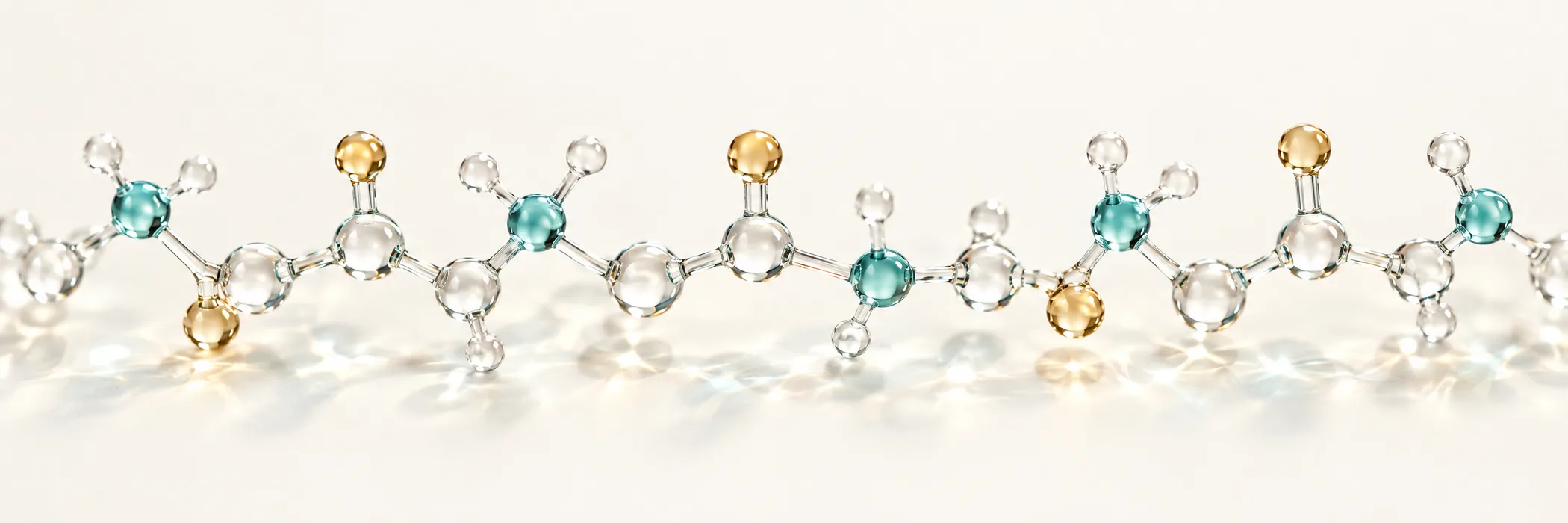
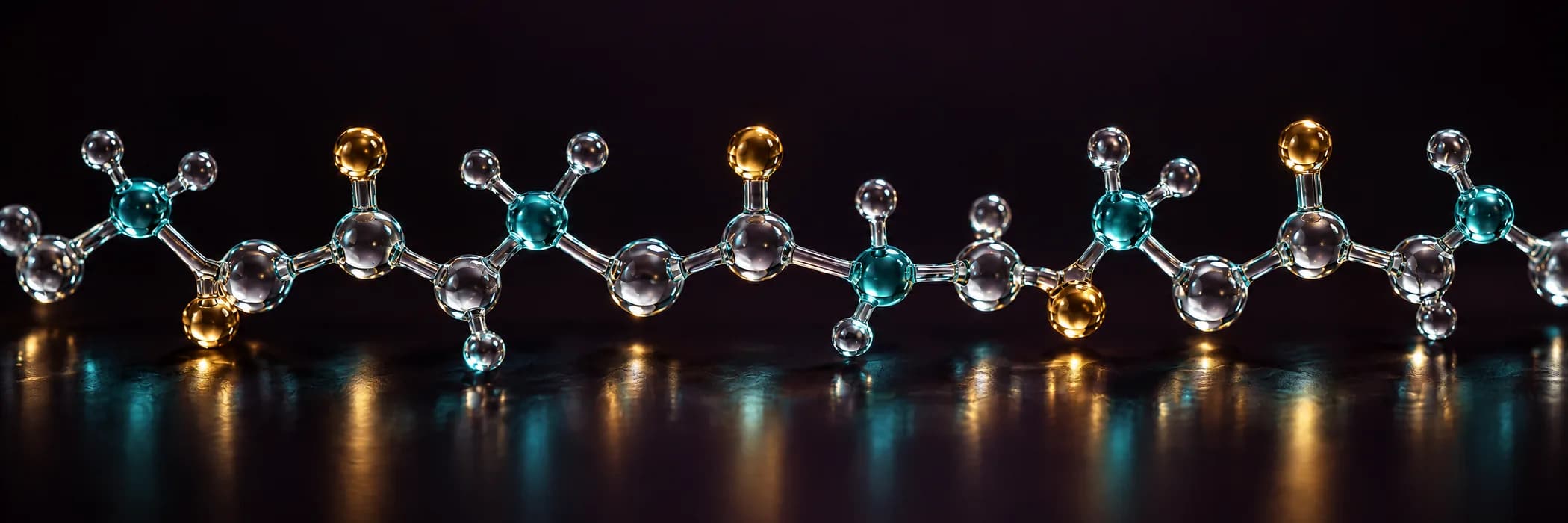
Two receptors, one target. EPO's red-cell signal goes through a receptor built of two EPO-receptor units. Its tissue-protective signal goes through a different one, an EPO receptor paired with CD131, together called the 'innate repair receptor'. ARA-290 selectively activates the second.
Works where the damage is. Injured and inflamed tissue makes more of this receptor. Activating it there suppresses pro-inflammatory signaling and apoptosis (cell death) and supports regeneration of small nerve fibres.
No blood-count rise. In human trials it raised neither the red-cell count nor the clotting risk that limits EPO. The sarcoidosis trials reported nerve-fibre regrowth in the cornea and skin, including GAP-43-positive regenerating fibres.
Sources:PMID 25387363PMID 28475703
How to dose it
Most people run ARA-290 as a small injection under the skin, 4 mg once daily for 28 days.
Dose tiersMost people run 4 mg once daily. Some start at 2–3 mg.
- Standard:
- 4 mg under the skin once daily, the effective arm in both the sarcoidosis (Culver 2017) and diabetic-neuropathy (Brines 2015) trials.
- Low start:
- 2–3 mg daily, an entry point below the trial dose.
- Why people stay at 4 mg:
- The Phase 2b dose-finding study found 8 mg inferior to 4 mg on the primary nerve-fibre endpoint. Higher is not better.
How to injectInto the fat under the skin, rotating sites between doses.
- Injection site:
- Abdomen (a couple of inches clear of the navel), outer thigh or love-handle area. Rotate sites to prevent local irritation and lipohypertrophy (a fatty lump).
- Measuring the dose:
- At 10 mg in 2 mL (5,000 mcg/mL), 1,000 mcg takes 20 syringe units, 2,000 mcg 40 units, 4,000 mcg 80 units. The calculator converts any vial size.
- Time of day:
- Not time-locked. A consistent daily time matters more than the hour. See Best time to dose above.
- Food:
- With or without meals. Food does not compete for absorption.
Cycle and breaks28 days of daily dosing, then a 4-week break.
- The 28-day cycle:
- 28 days (4 weeks) of daily dosing, matching the Phase 2 protocol. Nerve markers were measured at day 28.
- Longer course:
- Some run 6–8-week courses before reassessing, since small-fibre regeneration is slow (weeks to months).
- The break:
- Follow with a 4-week break. During it, re-check neuropathy symptom scores or, if accessible, corneal confocal microscopy to see whether the benefit held.
Mixing the vialA 10 mg vial with 2 mL of bacteriostatic water gives 5,000 mcg per mL.
- Mixing:
- 10 mg in 2 mL bacteriostatic water is 5,000 mcg/mL. On a 100-unit (1 mL) insulin syringe, 1,000 mcg takes 20 units, 2,000 mcg 40 units, 4,000 mcg 80 units.
- Why 2 mL:
- Keeps draw volumes practical. For small doses, 3 mL, the vial's maximum, gives a larger draw (about 3,333 mcg/mL, so 2,000 mcg takes 60 units). The calculator adjusts.
Best time to take it


Implied best time
Anytime (consistent)
Any consistent daily time works. Its signaling isn't tied to an hour, and some people lean evening.
- It activates the innate repair receptor on damaged tissue, and that repair unfolds over days, so no time of day is required.
- Its plasma half-life is very short (~20 minutes), but the tissue-protective effect outlasts plasma levels. A consistent daily time matches the trials' once-daily schedule.
- Some people dose in the evening to line the repair signal up with overnight recovery, a habit borrowed from other repair peptides.
Sources:PMID 25387363
What to stack it with


ARA-290 handles the nerve-repair signal and local inflammation. The best partners work the same injury from another angle, structural rebuilding and cell migration.
ARA-290 + BPC-157ARA-290 drives nerve-fibre regeneration while BPC-157 adds tissue healing and new blood vessels.
- Why it works:
- BPC-157 promotes new blood-vessel growth (angiogenesis), the supply regenerating nerve fibres depend on. ARA-290 clears the inflammatory block and activates the nerve-repair receptor. Two different levers.
- The protocol:
- ARA-290 4 mg under the skin once daily + BPC-157 250–500 mcg under the skin once daily. Co-inject or use two nearby sites, rotated across the abdominal area.
- Outcome:
- People reach for it on neuropathy, nerve-injury and tissue-inflammation goals, where nerve regeneration and vascular support are both wanted.
ARA-290 + BPC-157 + TB-500The nerve-and-soft-tissue trio adds TB-500's cell-migration signal to the pair above.
- Why it works:
- TB-500 (Thymosin β4) promotes migration of repair cells into injured tissue. BPC-157 rebuilds the structural and vascular scaffold. ARA-290 activates the innate repair receptor and suppresses neuroinflammation.
- The protocol:
- ARA-290 4 mg daily + BPC-157 250–500 mcg daily, both under the skin. TB-500 is typically 5–10 mg/week for 4–6 weeks, then 2–5 mg/week maintenance, often run 2–3×/week.
- Outcome:
- People reach for it on broader nerve-and-soft-tissue injuries where inflammation control, structural healing and cell recruitment are all wanted.
Support nutrients
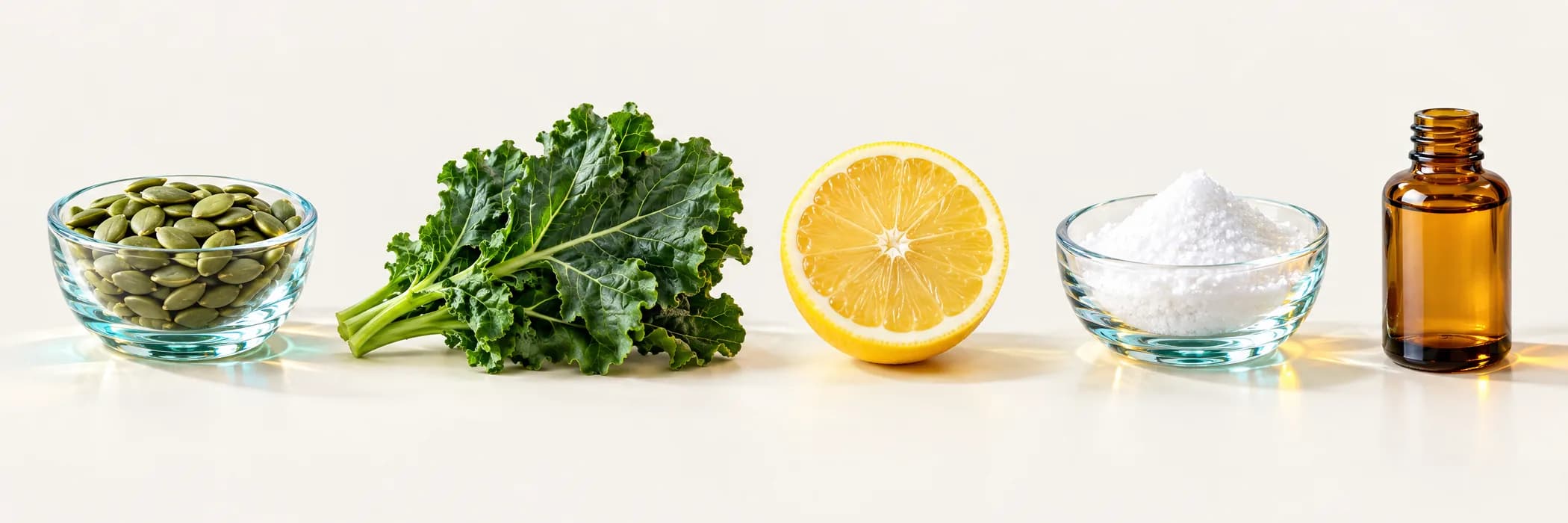
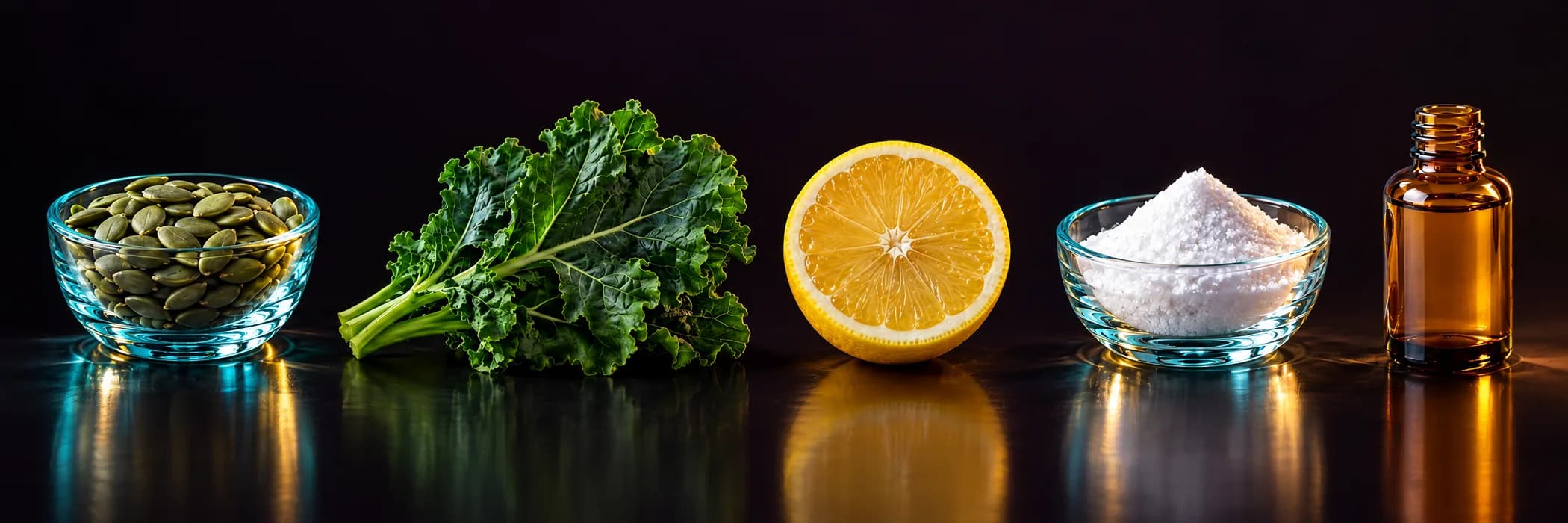
These supply raw material for nerve regrowth, protect the fibres and steady blood sugar.
Nerve building blocksNerve regrowth uses B vitamins and carnitine. Deficiency in any one causes neuropathy.
- Methylcobalamin B12:
- 1,000 mcg (1 mg) daily. The active form of B12, preferred over cyanocobalamin for nerves. Deficiency directly causes small-fibre neuropathy.
- Pyridoxal-5'-phosphate (B6) + methylfolate:
- B6 as P5P 50 mg + methylfolate 400–800 mcg daily. B6 is a myelin-synthesis cofactor and folate clears homocysteine. Avoid high-dose plain pyridoxine (>100 mg), which causes neuropathy.
- Acetyl-L-carnitine (ALCAR):
- 1–2 g daily. Supports Schwann-cell mitochondria and supplies substrate for nerve-membrane repair. A Cochrane review found it reduced neuropathic pain in diabetic neuropathy trials.
Oxidative stress protectionOxidative damage to nerve membranes and myelin stalls regeneration. These two target it.
- Alpha-lipoic acid (ALA):
- 600 mg once daily. The best-evidenced nutraceutical in diabetic peripheral neuropathy trials. Reduces oxidative nerve damage and improves nerve conduction.
- Omega-3 DHA:
- 1–2 g DHA daily from fish or algae oil. The dominant structural fat in nerve membranes and myelin, and reduces neuroinflammation.
Keep blood sugar in rangeIf blood sugar runs high, controlling it lets the nerve repair hold.
- Why it matters:
- In the diabetes trial (Brines 2015), HbA1c, a blood-sugar marker, fell alongside nerve improvements. High blood sugar is the primary driver of small-fibre damage and re-injures regenerated fibres.
- Practical steps:
- Lower-glycemic carbs, adequate fiber, less refined sugar. Magnesium glycinate 300–400 mg (insulin sensitivity) + chromium picolinate 200 mcg (glucose disposal). The goal is HbA1c below 7% if relevant.
Dose calculator
Reconstitution calculator
Calculated for a 1 mL U-100 insulin syringe (100 units/mL).
Units per dose
80 units
Draw this many units on a U-100 syringe
Each unit holds 50 mcg
- Volume per dose
- 0.8 mL
- Doses per vial
- 2
- Concentration
- 5 mg/mL
One vial lasts
- Daily
- 2 days
- Every other day
- 5 days
- 5×/week
- 3 days
- Large draw (80 units). That's normal for mg doses. To check it, multiply the units by what each unit holds. You should get your dose.
Research use only. Not for human consumption. Outputs are reference values based on research literature. Verify all measurements independently.
Side effects and what to watch
What people notice. Very little. Across the Phase 2 trials it was generally well tolerated over roughly four-week dosing windows, with no major safety signal. Injections under the skin carry the usual injection-site considerations.
How it differs from EPO. In the trials it did not raise the red-cell count or hematocrit, so it avoids the clotting and cardiovascular risks that limit EPO.
Worth knowing. Trial exposure was about a month in tens of patients per trial, so long-term effects are not characterized.
Sources:PMID 25387363
Common questions
How is ARA-290 different from EPO?
EPO raises red-blood-cell production. ARA-290 is copied from EPO's tissue-protective region and activates a different receptor, the 'innate repair receptor', which is switched on in injured tissue. In trials it did not raise the red-cell count.
How is ARA-290 dosed?
Most people run 4 mg under the skin once daily for 28 days, the dose from the trials. Some start at 2–3 mg. The 4 mg dose worked better than the higher 8 mg dose, so people don't go above it.
Do I need to cycle ARA-290?
People run 28 days of daily dosing, then a 4-week break. Some run 6–8-week courses before reassessing, since small-fibre regeneration is slow.
What did the human trials show?
Nerve measures such as corneal and skin nerve-fibre density improved in the sarcoidosis and diabetes trials. Most used 4 mg once daily for 28 days. In the diabetes trial neuropathic pain scores also fell.
Deep dive
Doses used in studies · Molecular identity · References
10From the researchDoses used in studies
These are the doses used in the Phase 2 human trials. The 4 mg dose, and not the higher 8 mg, was the effective one.
| Dose | Route | Model | Outcome | Sources: |
|---|---|---|---|---|
| 2 mg | IV (3×/week) | Human pilot RCT, sarcoidosis small-fibre neuropathy (Heij 2012, N=22) | Neuropathy symptom score (SFNSL) improved vs placebo (p<0.05) and SF-36 pain/function improved, but the Brief Pain Inventory improved equally in both arms (a pain-endpoint null) | PMID 23168581 |
| Daily ×28 d | SC | Human RCT, sarcoidosis small-fibre neuropathy (Dahan 2013) | Improved neuropathic symptoms, increased corneal nerve-fibre density, higher cold/hot pain thresholds (p=0.027 / p=0.032), longer 6-minute walk; benefit favored ARA-290 | PMID 24136731 |
| 1 / 4 / 8 mg daily ×28 d | SC | Human Phase 2b dose-finding, sarcoidosis (Culver 2017, N=64) | Only the 4 mg arm improved corneal nerve-fibre area (+697 µm², p=0.012) and regenerating GAP-43+ fibres (p=0.035); 1 mg and 8 mg were not significant, and 4 mg pain reduction missed (p=0.157) | PMID 28475703 |
| 4 mg daily ×28 d | SC | Human Phase 2, type 2 diabetes neuropathy/metabolic (Brines 2015) | HbA1c fell from baseline and stayed lower (p=0.002); neuropathic pain (PainDetect) fell ~18% at day 28 / ~23% at day 56 (p≈0.03); HDL up, triglycerides down; no safety signal | PMID 25387363 |
11ChemistryMolecular identity
- Molecular formula
- C₅₁H₈₄N₁₆O₂₁
- Molecular weight
- 1257.3 g/mol (average)
- Monoisotopic mass
- 1256.5997 Da
- CAS / UNII
- 1208243-50-8 · 9W5677JKDA
- PubChem CID
- 91810664
- Sequence
- Pyr-Glu-Gln-Leu-Glu-Arg-Ala-Leu-Asn-Ser-Ser (pyroGlu-EQLERALNSS)PubChem CID 91810664 (N-terminal pyroglutamate)
- Class
- Linear 11-amino-acid peptide; EPO helix-B-derivedPubChem CID 91810664; innate-repair-receptor literature
- Receptor / mechanism
- Innate repair receptor, EPOR/CD131 (β-common) heteromer; non-erythropoieticBrines/Cerami innate-repair literature; trial introductions
- Half-life
- ~20 min terminal (human plasma), very short; tissue-protective effect outlasts plasma levelsReported in ARA-290 PK literature; not from PMID 25387363 (Brines 2015), which reports no plasma PKHalf-life curve →
- Regulatory status
- Not approved anywhere; FDA orphan + fast-track designations only; reached Phase 2/2b, no Phase 3FDA designation releases; no NDA/BLA on record
12Primary sourcesReferences
- PMID 23168581Heij et al., Molecular Medicine 2012. ARA-290 in sarcoidosis small-fibre neuropathy (pilot RCT, N=22)
- PMID 24136731Dahan et al., Molecular Medicine 2013. ARA-290 RCT in sarcoidosis neuropathy; corneal nerve-fibre density
- PMID 28475703Culver et al., Invest Ophthalmol Vis Sci 2017. Phase 2b dose-finding (NCT02039687); 4 mg effective, non-monotonic
- PMID 25387363Brines et al., Molecular Medicine 2015. ARA-290 4 mg SC ×28 d in type 2 diabetes neuropathy/metabolic (NTR3858)
- PubChem CID 91810664PubChem record, identity (CID, formula, MW, CAS, sequence)
- WADA 2026, S2.1.5WADA 2026 Prohibited List, S2.1.5 innate repair receptor agonists (ARA-290 captured by class, not named)
ARA-290
10 mg vial
Ki Researcher is affiliated with Ki Peptides.
Ships to the US only. Buyers must be 21 or older.
Reviewed by Ki Researcher Team · Research use only · Not medical advice · Updated 2026-09-24