
Ipamorelin
Selective growth-hormone secretagogue · Pentapeptide ghrelin-receptor agonist
Ipamorelin is a five-amino-acid peptide that tells your pituitary to release your own growth hormone (GH). People run it for a leaner body, recovery and sleep. Unlike older GH peptides, it does this without raising prolactin or the stress hormones cortisol and ACTH.
Buy Ipamorelin10 mg vial
Ki Researcher is affiliated with Ki Peptides.
Ships to the US only. Buyers must be 21 or older.
At a glance
- Dose
- 200–300 mcg per shot (100–150 mcg to start)
- How often
- 1–3 times daily; bedtime is the key dose
- How
- A small injection under the skin
- When
- Bedtime, on an empty stomach
- Cycle
- 8–12 weeks on, then 4–6 weeks off
The 30-second versionEverything on this page, fast
Clean GH boost · Lean body composition · Better sleep · Recovery
The clean growth-hormone nudge. Ipamorelin tells your own pituitary to release GH. People run it for leaner body composition, deeper sleep and better recovery. It skips the cortisol and prolactin spike of older GH peptides.
The basics
- A small peptide that signals your pituitary to release your own growth hormone.
- Prized for being selective, raising GH while leaving stress hormones alone.
Why people use it
- A clean GH pulse. Releases growth hormone with almost none of the cortisol or prolactin cost.
- Raises your own GH, not injected GH, so the body's natural rhythm and feedback stay intact.
- Better sleep and recovery as GH and IGF-1 rise.
Stacks well with
- CJC-1295, the canonical pairing. Two different receptors combine for a bigger GH pulse.
- BPC-157 + TB-500 for injury recovery. Ipamorelin's GH backs their local tissue repair.
Good to know
- Empty stomach is the one rule that matters. Food near the dose blunts the pulse.
- A bedtime dose rides your natural overnight GH release and can deepen sleep.
- Banned in tested sport (WADA), which matters if you compete.
What it does
The clean GH-releasing peptide (GHRP) most people start with.
- A clean GH boost, no stress costIn pigs, over 200 times its GH-releasing dose kept ACTH and cortisol at GHRH levels. GHRP-2 and GHRP-6 raised both.
- Raises your own GHIn healthy men, an IV dose triggered one GH pulse that fell to very low levels by 6 hours.
- Sped stomach emptying after surgeryAfter abdominal surgery, rat stomachs held 78% of a meal at 15 minutes. One IV dose cut that to 52%.
- Kept strength and bone-building on a corticosteroidIn rats on a muscle-wasting corticosteroid for 3 months, adding it raised calf strength and quadrupled outer-surface bone formation.
- Faster bone growthOver 15 days in adult rats, the top dose raised shin bone growth from 42 to 52 micrometers a day.
Sources:PMID 9849822PMID 10496658FDA 2024PMID 27186127PMID 11735244PMID 10373343
How it works
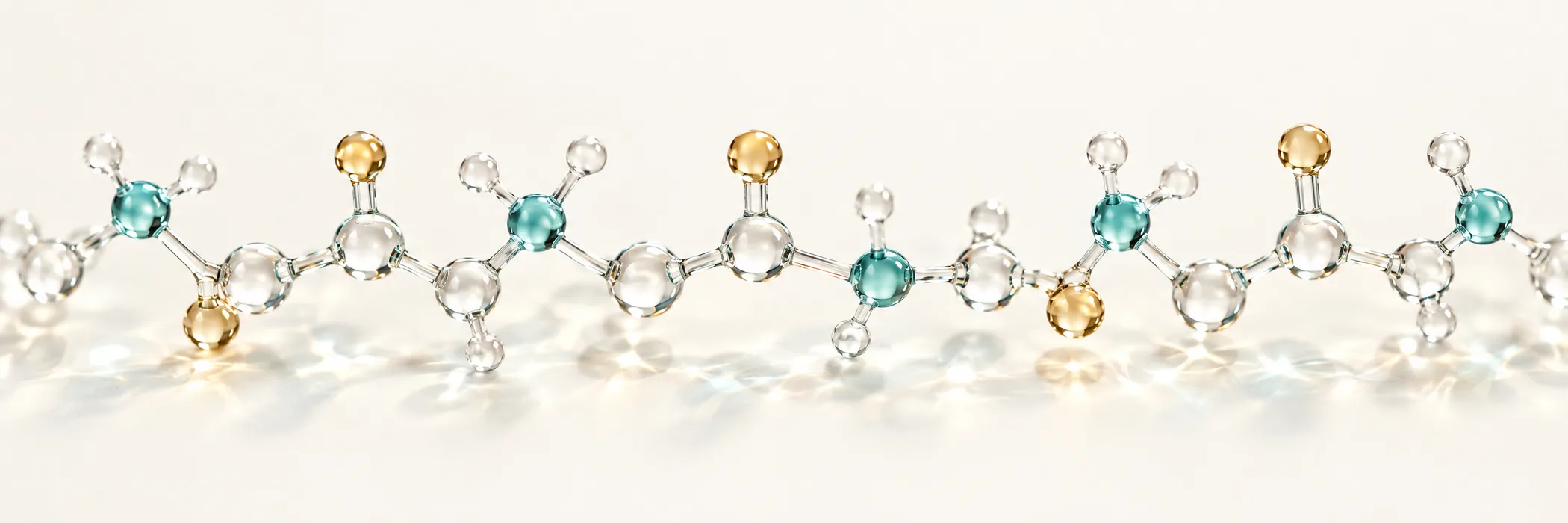
Triggers your own GH pulse. Ipamorelin switches on GHS-R1a, the ghrelin receptor, on the pituitary's GH-making cells. That single trigger releases a discrete pulse of your own growth hormone.
Skips the stress hormones. In animal studies it did not raise ACTH or cortisol, unlike the older peptides GHRP-2 and GHRP-6, which raised both. None of the peptides tested moved prolactin, FSH, LH or TSH. Its founding paper reported a selectivity for GH release comparable to growth-hormone-releasing hormone (GHRH), the body's own GH trigger.
Confirmed in people. A human intravenous dose produced one growth-hormone pulse, peaking near 40 minutes, with a bigger dose producing a proportionally bigger blood level.
Sources:PMID 9849822PMID 10496658
How to dose it
Most people inject it fasted, with bedtime the anchor dose.
Dose tiersMost people run 200–300 mcg per injection, one to three times a day.
- Low / introductory:
- 100–150 mcg per injection. Used when starting out, to gauge tolerance.
- Standard:
- 200–300 mcg per injection, the most common range.
- Higher-frequency approach:
- 200–300 mcg, 2–3 times daily (bedtime plus fasted AM, or bedtime, fasted AM and pre-workout). More injections, not a bigger dose, each on an empty stomach, spaced 4–6 hours apart.
How to injectA small injection into fat under the skin (SC), away from meals.
- Injection site:
- Belly (2–3 cm from the navel), love handle, or outer thigh. Rotate to avoid irritation.
- Measuring the dose:
- At the standard mix (5 mg + 2 mL, 2,500 mcg/mL) on a U-100 syringe, 200 mcg takes 8 units, 250 mcg takes 10 units, 300 mcg takes 12 units.
- Time of day:
- Bedtime is the main dose, riding the overnight GH pulse. Fasted AM is second; pre-workout third, in a 3× protocol.
- Food window:
- Wait 90–120 minutes after eating before injecting, then avoid carb- or fat-heavy meals for 2 hours after the dose. Both raise insulin and somatostatin, which blunt the pulse.
Cycle and breaksIt runs in set cycles to protect pituitary sensitivity.
- Standard cycle:
- 8–12 weeks of daily use. 12-week cycles are common, often reported free of side effects.
- Washout:
- 4–6 weeks off between cycles, while GH and IGF-1 drift back to baseline. Check IGF-1 at cycle's end to see how you responded.
- Standalone vs. stacked:
- Alone, once-daily bedtime is standard. Stacked with a GHRH peptide like CJC-1295, the same cycle applies to both.
Mixing the vialThe on-page calculator does the math live. Quick reference for the 5 mg vial.
- Mixing:
- 5 mg vial with 2 mL bacteriostatic water makes 2,500 mcg per mL.
- On the syringe:
- At 2,500 mcg/mL on a U-100 syringe, 200 mcg takes 8 units · 250 mcg takes 10 units · 300 mcg takes 12 units · 500 mcg takes 20 units.
Best time to take it
Implied best time
Bedtime (empty stomach)
Most people inject Ipamorelin at bedtime, on an empty stomach, to ride the body's biggest natural GH pulse.
- The body's biggest natural GH pulse fires in early deep sleep. A bedtime dose stacks on top of that surge instead of competing with it.
- Food raises insulin and somatostatin, both of which blunt the pulse, so the dose stays about 2 hours clear of eating.
- Its GH pulse is short and discrete, so a fasted-AM or pre-workout dose can add a second or third pulse, but bedtime is the anchor.
Sources:PMID 10496658
What to stack it with


Ipamorelin binds the ghrelin receptor. A GHRH peptide binds a different one on the same cell, multiplying the pulse. Pairing it with another GHRP (GHRP-2, GHRP-6, hexarelin) is redundant and loses its clean cortisol profile.
Ipamorelin + CJC-1295The canonical stack, sold pre-mixed as CJC-1295 / Ipamorelin.
- Why it works:
- CJC-1295 binds GHRH-R and primes the cell. Ipamorelin binds GHS-R1a and triggers it, for one bigger pulse.
- The protocol:
- Ipamorelin 200–300 mcg + CJC-1295 100–200 mcg SC, one syringe, once daily at bedtime (or twice daily). CJC-1295 DAC sometimes runs 2× weekly; ipamorelin stays daily and overlaps those days.
- Outcome:
- The combination people reach for on lean body composition and recovery.
Ipamorelin + SermorelinA gentler GHRH partner for a milder pulse.
- Why it works:
- Sermorelin binds the same GHRH-R as CJC-1295 but clears faster, for a milder release.
- The protocol:
- Ipamorelin 200–300 mcg SC + sermorelin 200–500 mcg SC, co-injected at bedtime.
- Outcome:
- For a milder, conservative GH profile with the same synergy.
Ipamorelin + BPC-157 + TB-500The recovery trio. Ipamorelin's GH and IGF-1 back BPC-157 and TB-500's local tissue repair.
- Why it works:
- BPC-157 and TB-500 support local tissue repair while ipamorelin's GH and IGF-1 rise backs it.
- The protocol:
- Ipamorelin 200–300 mcg SC at bedtime, plus BPC-157 250–500 mcg SC daily and TB-500 2–5 mg weekly, first 4–6 weeks, then 2 mg weekly. Rotate sites across the three.
- Outcome:
- For soft-tissue injury and post-surgery recovery, to get systemic and local repair together.
Support nutrients
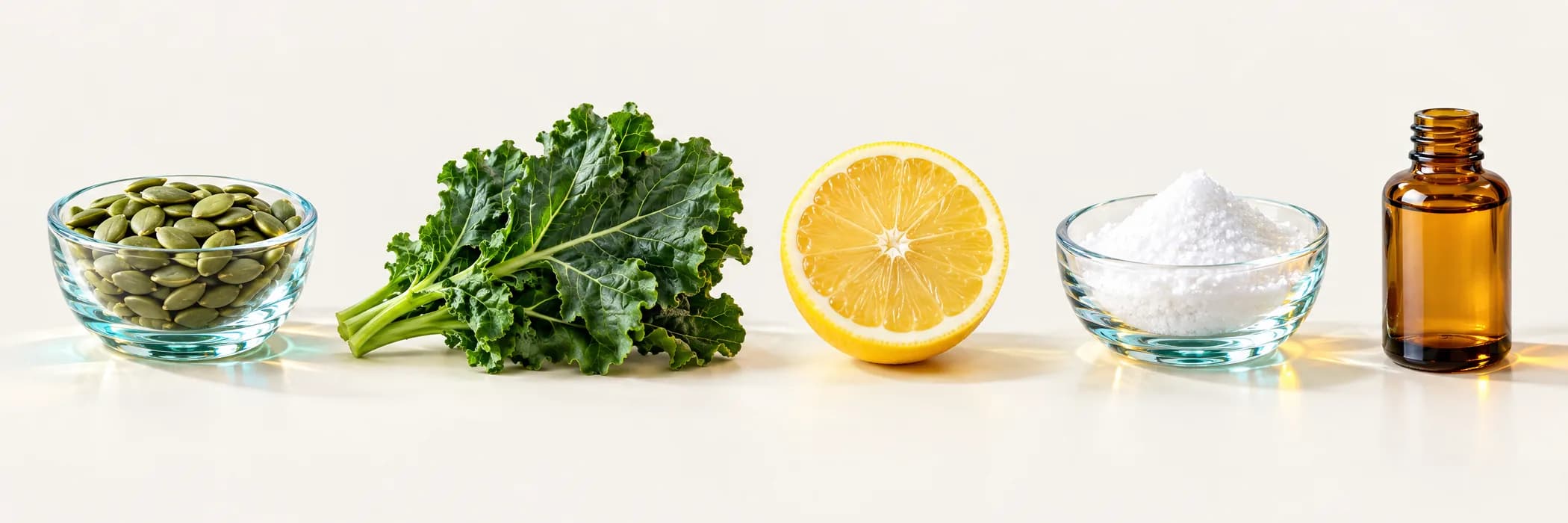
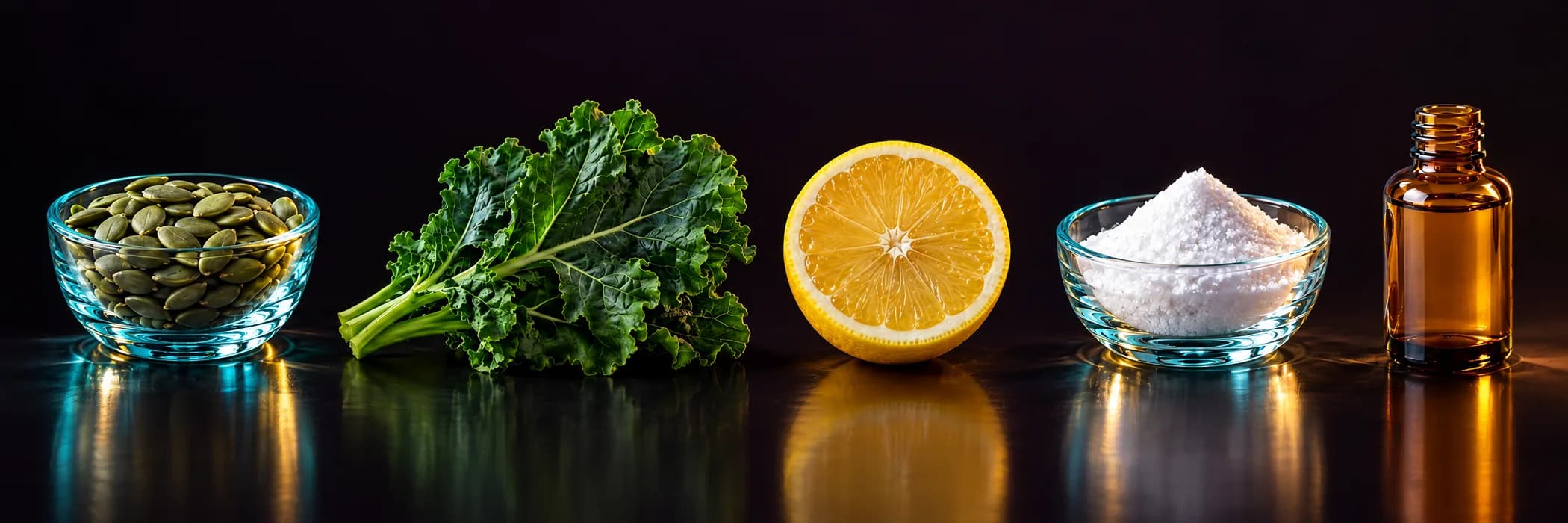
Ipamorelin barely touches cortisol or prolactin. The real leverage is feeding a bigger pulse and supplying what it builds with.
Feed a bigger GH pulseSomatostatin blocks GH. These lower it for a bigger pulse.
- L-arginine:
- 3–6 g, 30–60 minutes before injecting. Suppresses somatostatin for a deeper pulse. Skip high-fat meals nearby.
- Glycine:
- 3–10 g before bed. Mildly blocks somatostatin and deepens sleep, protecting the GH peak.
- Alpha-GPC (choline):
- 300–600 mg, 30 minutes before injecting. Supports the brain chemistry behind the pulse; helps focus pre-workout.
Keep blood sugar steadyGH nudges blood sugar up. Berberine and alpha-lipoic acid level it; magnesium protects deep sleep.
- Berberine:
- 500 mg with meals, not around the dose. Supports insulin sensitivity, countering the glucose rise from a GH pulse.
- Alpha-lipoic acid (ALA):
- 300–600 mg with meals. A mild insulin sensitizer that complements berberine.
- Magnesium glycinate:
- 300–400 mg before bed. Supports the deep sleep where the biggest GH pulse happens.
Give it material to build withA GH signal only builds if the raw materials are on hand.
- Protein intake:
- 1.6–2.0 g per kg of body weight a day (0.7–0.9 g/lb), across 3–4 meals. IGF-1 needs protein to build.
- ZMA (zinc + magnesium + B6):
- Zinc 25–30 mg, magnesium 400–500 mg and B6 10 mg, 30–60 minutes before bed. Keep away from calcium. Low zinc tracks with lower IGF-1.
- Vitamin D3 + K2:
- Vitamin D 2,000–5,000 IU daily (target 40–60 ng/mL blood level) plus K2 100–200 mcg. D tracks with IGF-1; K2 sends calcium to bone.
Dose calculator
Reconstitution calculator
Calculated for a 1 mL U-100 insulin syringe (100 units/mL).
Units per dose
8 units
Draw this many units on a U-100 syringe
Each unit holds 25 mcg
- Volume per dose
- 0.08 mL
- Doses per vial
- 25
- Concentration
- 2.5 mg/mL
One vial lasts
- Daily
- 25 days
- Every other day
- 50 days
- 5×/week
- 35 days
Research use only. Not for human consumption. Outputs are reference values based on research literature. Verify all measurements independently.
Side effects and what to watch
What people notice. Little to report. In a human Phase II trial of 114 surgical patients, IV ipamorelin at 0.03 mg/kg twice daily for up to seven days was well tolerated, tracked by adverse-event monitoring and lab tests.
Worth knowing. In that trial, insomnia (10.7% vs 5.2%), low potassium (12.5% vs 3.4%) and high blood sugar at discharge (14.3% vs 8.6%) were more common on ipamorelin than placebo. Animal studies found it doesn't meaningfully raise ACTH, cortisol, prolactin or the reproductive hormones, even well above the GH-releasing dose. No long-term toxicology study or lethal-dose figure appears in the published research.
Common questions
What makes Ipamorelin different from other GH secretagogues?
Selectivity. Its 1998 founding paper called it the first selective growth-hormone secretagogue. It releases GH with a selectivity comparable to GHRH itself, without raising cortisol, ACTH or prolactin the way GHRP-2 and GHRP-6 do.
When should I take Ipamorelin?
At bedtime, on an empty stomach, so food doesn't blunt the GH pulse. Fasted mornings or before a workout can add a second or third dose, but the bedtime shot is the anchor.
How is Ipamorelin commonly dosed?
Most people run 200–300 mcg SC, one to three times daily, on an empty stomach, with bedtime as the anchor dose. Starting doses run 100–150 mcg, to gauge tolerance.
Do I need to cycle Ipamorelin?
Most people do. A standard run is 8–12 weeks of daily use, then 4–6 weeks off before starting again.
What is Ipamorelin's half-life?
About 2 hours in a human IV study, with the GH response peaking near 40 minutes. No half-life has been measured for the subcutaneous route people actually use.
Why is Ipamorelin paired with CJC-1295?
Different receptors on the same pituitary cell. CJC-1295 primes it through GHRH-R while ipamorelin triggers it through GHS-R1a, so together they produce a bigger GH pulse than either alone.
Deep dive
Doses used in studies · Molecular identity · References
10From the researchDoses used in studies
These are the doses used in the published studies. Human data come from an IV pharmacokinetic study and a Phase II trial, not under-the-skin dosing.
| Dose | Route | Model | Outcome | Sources: |
|---|---|---|---|---|
| EC50 1.3 nmol/L | In vitro | Rat pituitary cells | GH release (Emax ~85%) | PMID 9849822 |
| ED50 ~80 nmol/kg | Intravenous | Rat (anesthetized) | GH release | PMID 9849822 |
| ED50 ~2.3 nmol/kg | Intravenous | Swine (conscious) | GH release | PMID 9849822 |
| 4.21–140.45 nmol/kg | IV infusion (15 min) | Human (healthy, n=8/dose) | Dose-proportional pharmacokinetics; t½ ~2 h | PMID 10496658 |
| 0.03 mg/kg twice daily | Intravenous | Human (Phase II, n=114) | Well tolerated; failed efficacy endpoint | PMID 25331030 |
11ChemistryMolecular identity
- Molecular weight
- 711.9 g/mol
- Molecular formula
- C38H49N9O5
- Monoisotopic mass
- 711.39 Da
- CAS / UNII
- 170851-70-4 · Y9M3S784Z6
- Sequence (pentapeptide)
- Aib-His-D-2-Nal-D-Phe-Lys-NH₂PubChem CID 9831659
- Structure / class
- Selective GHS-R1a agonist (GHRP-class pentapeptide)PMID 9849822
- Molecular target
- GHS-R1a (ghrelin receptor) on pituitary somatotrophsPMID 9849822
- Regulatory status
- Not FDA-approved · WADA S2 prohibitedFDA / research literature
12Primary sourcesReferences
- PubChem CID 9831659PubChem CID 9831659 (Ipamorelin)
- PMID 9849822Raun et al., Eur. J. Endocrinol. 1998
- PMID 10496658Gobburu et al., Pharm. Res. 1999 (human PK)
- PMID 25331030Beck et al., Int. J. Colorectal Dis. 2014 (Phase II)
- NCT00672074ClinicalTrials.gov NCT00672074 (Phase II ileus)
- FDA 2024FDA PCAC briefing, Ipamorelin (2024)
- WADAWADA Prohibited List (S2, prohibited at all times)
- PMID 27186127Greenwood-Van Meerveld et al., J. Exp. Pharmacol. 2012 (stomach emptying, rats)
- PMID 11735244Andersen et al., Growth Horm. IGF Res. 2001 (corticosteroid model, rats)
- PMID 10373343Johansen et al., Growth Horm. IGF Res. 1999 (bone growth, rats)
Ipamorelin
10 mg vial
Ki Researcher is affiliated with Ki Peptides.
Ships to the US only. Buyers must be 21 or older.
Reviewed by Ki Researcher Team · Research use only · Not medical advice · Updated 2026-10-19