
Vladonix
Khavinson-line thymus bioregulator · Cytomax thymus extract or Cytogen synthetic peptides · oral capsule course
Vladonix is the thymus bioregulator of the St. Petersburg Institute of Bioregulation and Gerontology (Khavinson) line, sold as a Cytomax extract or a Cytogen synthetic. People run it as the immune piece of a longevity routine: capsule courses a few times a year, no injection.
At a glance
- Dose
- 20 mg a day, as 2 capsules of 10 mg
- How often
- One capsule morning and evening, through the course
- When
- Before meals, at the same times each day
- Cycle
- A 15–30 day course, repeated a few times a year
The 30-second versionEverything on this page, fast
Thymus support · Immune resilience · Khavinson bioregulator · Capsule course
The thymus piece of the Khavinson bioregulator system. Vladonix is the retail thymus product of the Thymalin concept, run as an oral capsule course for the immune slot in a tissue-by-tissue longevity routine.
The basics
- A thymus bioregulator from the Khavinson product line, sold as a Cytomax extract or a Cytogen synthetic form.
- Run as a short course a few times a year, not as a daily forever-supplement.
Why people use it
- Fills the thymus and immune slot in a Khavinson-style, tissue-by-tissue bioregulator routine.
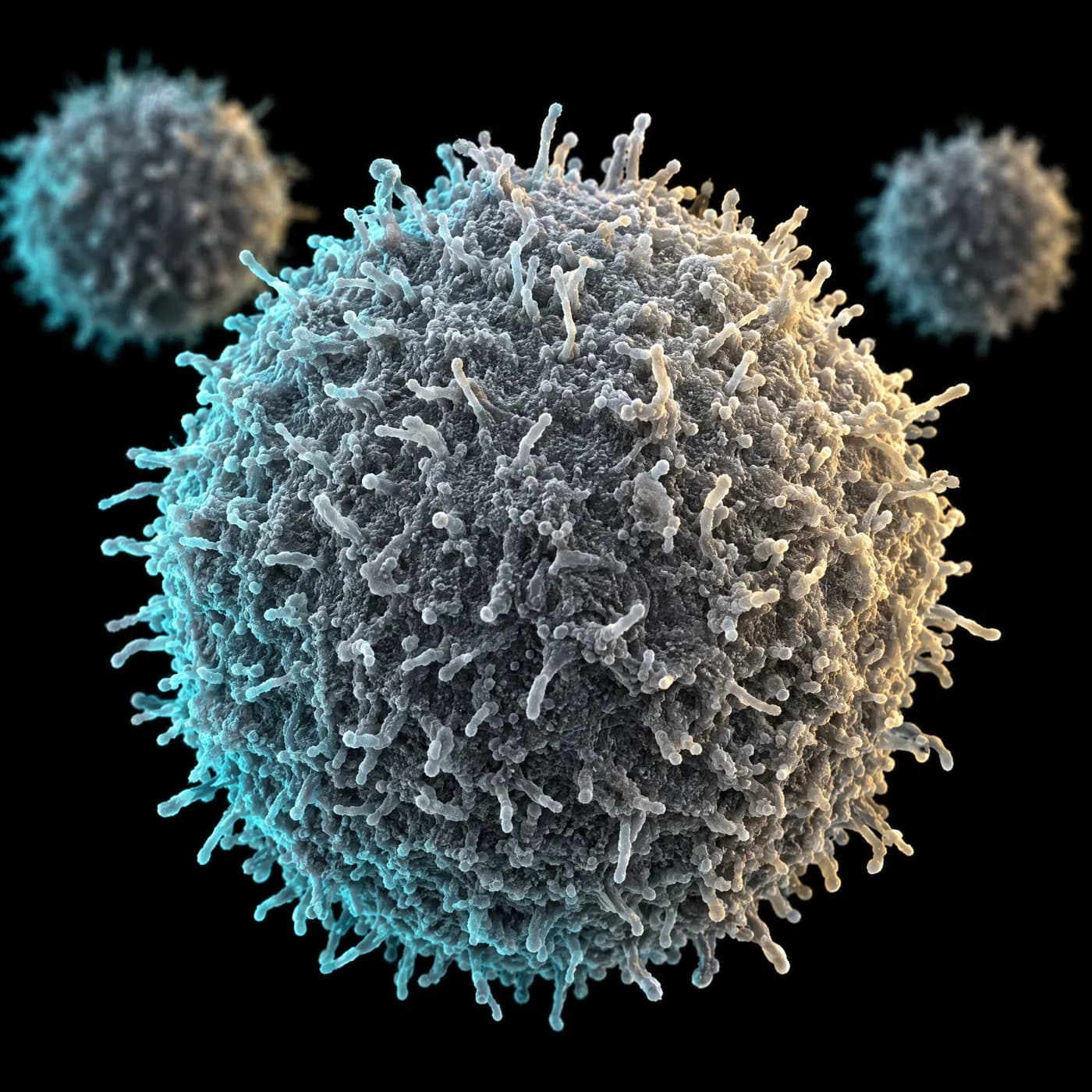
- Aimed at T-cell maturation. The thymus is where T-lymphocytes mature, and the school's thesis is that thymus peptides restore that maturation as it declines with age.
- No needle. A 10 mg capsule taken by mouth, so there is nothing to mix or inject.
- Works alongside the immune basics. Zinc, vitamin D, protein and sleep come first.
Stacks well with
- Thymalin, Thymogen and Thymulin are the Khavinson thymus family, run together or in sequence as the immune block.
- Thymosin Alpha-1 adds a well-characterized thymic peptide with human trial data.
Good to know
- Run it as a course, not continuously. Short blocks a few times a year is the pattern.
- The Cytomax form is a thymus-tissue extract, a mix of peptides rather than one defined molecule.
- Get zinc, vitamin D and sleep right first. They are the proven immune foundation.
What it does
Vladonix is the thymus piece of the Khavinson bioregulator line. Here is what people run it for.
- Fills the immune slot in a routinePeople building a tissue-by-tissue Khavinson bioregulator protocol reach for it as the thymus and immune piece.
- The Thymalin concept in a capsuleIt carries the same thymic-peptide idea as Thymalin in an easy consumer product.
- Aimed at T-cell maturationThe Khavinson thesis is that thymus peptides restore T-cell maturation and cellular immunity, especially with age.
- Short courses for aging immunityRun like the rest of the line, in short periodic courses aimed at immune resilience and longevity.
- Builds on the immune basicsZinc, vitamin D, protein and sleep are the proven immune levers it sits on top of.
Sources:PMID 37686182PMID 33575961
How it works
Targets the thymus. The thymus is where T-lymphocytes (T-cells) mature. The Khavinson thesis is that thymus peptides restore T-cell maturation, cellular immunity and non-specific resistance, especially with age or a suppressed immune system.
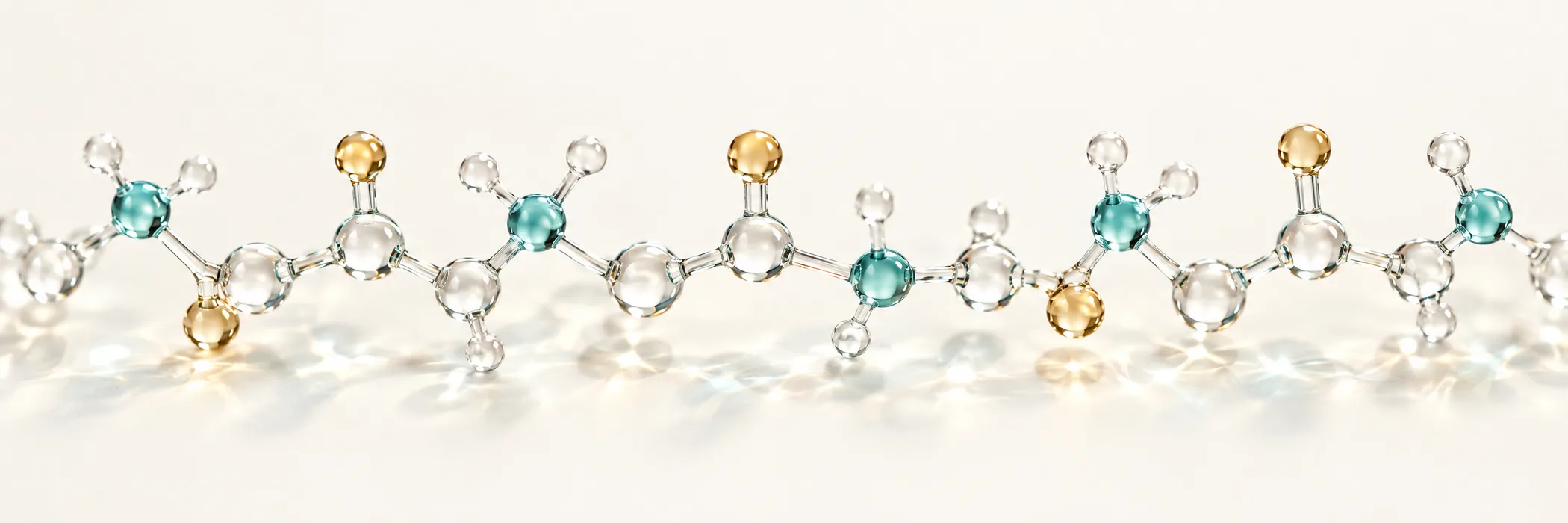
Credits Lys-Glu. Recent work from the school names the dipeptide Lys-Glu (KE), two amino acids long, as a driver of cellular immunity and non-specific resistance. That work describes the thymus-peptide line as a whole, published under the Thymalin name.
Tunes gene expression. The second proposal is that these short peptides enter cells and nuclei and adjust gene expression and protein synthesis. It is the model behind the whole Khavinson short-peptide program.
Sources:PMID 37686182
How to dose it
Vladonix is a 10 mg capsule taken by mouth, most often 1 capsule twice daily = 20 mg/day over a roughly 15–30 day course.
Dose tiersMost people take 1 capsule (10 mg) twice daily, 20 mg/day in total.
- Common dose:
- 1 capsule (10 mg) twice daily = 20 mg/day by mouth for a roughly 15–30 day course, the Khavinson-line retail pattern.
- Where to start:
- People treat the 20 mg/day figure as the starting reference.
- Thymalin doses don't carry over:
- The injectable Thymalin courses from the Khavinson school, often higher-dose and clinic-given, do not transfer to oral Vladonix.
How to take itA 10 mg capsule swallowed with water, morning and evening, before food.
- How it's taken:
- Swallowed whole with water as the 10 mg 'A-6' capsule, 1 capsule twice daily (morning and evening) for 20 mg/day.
- Counting the dose:
- Counted in capsules. 1 capsule = 10 mg, and 20 mg/day is 2 capsules.
- Time of day:
- Split morning and evening, at the same times across the cycle. If anything, lean slightly toward the evening, since immune repair runs overnight.
- Food window:
- Commonly taken before food, for example 10–15 minutes before a meal. Keep it consistent relative to meals.
Cycle and breaksA short course of roughly 15–30 days, repeated a few times a year.
- Standard cycle:
- Roughly 15–30 days of daily oral use (20 mg/day, 2 capsules). Khavinson thymic-peptide work under the Thymalin name used courses in this general range.
- Repeat interval:
- The course is repeated a few times a year (for example quarterly) rather than dosed continuously.
- Washout:
- At least equal to the cycle length between repeat courses. Take the full planned break and do not compress it.
Capsules per dayNo mixing or reconstitution. The dose is simply a count of capsules.
- The math:
- 1 capsule = 10 mg. 20 mg/day = 2 capsules, typically 1 in the morning and 1 in the evening. No bacteriostatic water, no syringe.
- Why there's no calculator:
- The site's calculator is for injectable peptides mixed from a powder vial, so it is hidden here.
Best time to take it
Implied best time
Anytime (consistent)
Time of day matters little for Vladonix. Most people pick consistent daily times within the course and hold them.
- There is no half-life or absorption data to time a dose against, so day-to-day consistency is what counts.
- As a thymus and immune product, a mild evening lean fits the idea that immune repair runs overnight. Any consistent time works.
- Run alongside other Khavinson-line peptides, it is simplest to fix it to the same daily slot so the course stays consistent.
Sources:PMID 37686182
What to stack it with


People stack Vladonix two ways, with the other Khavinson thymus bioregulators or with Thymosin Alpha-1, a well-characterized thymic peptide.
Vladonix + Khavinson bioregulator familyCycled with Thymalin, Thymogen and Thymulin, the other Khavinson thymus and immune products.
- Why it works:
- Thymalin, Thymogen and Thymulin share the thymic-peptide thesis and the same institute. The Khavinson community cycles them together or in sequence, reasoning that each covers slightly different thymic-peptide fractions.
- The protocol:
- Vladonix 20 mg/day (2 oral capsules) in its defined course, with each partner on its own cycle. Sequencing, one course then another, is the somewhat more conservative approach with extracts.
- Outcome:
- Reached for on broad immune-resilience and longevity goals within a Khavinson protocol.
Vladonix + Thymosin Alpha-1Adds a well-characterized thymic peptide with peer-reviewed human data to the course.
- Why it works:
- Thymosin Alpha-1 (Tα1) is a sequenced thymic peptide with human clinical data, studied in cancer, chronic viral infection and immune deficiency. It works the same thymic-maturation angle.
- The protocol:
- Tα1 at 1.5 mg under the skin twice weekly (1–3 mg/week range). Vladonix 20 mg/day (2 oral capsules) as its own 15–30 day course. Sequential is the more conservative approach.
- Outcome:
- Reached for when the goal is thymus and immune support with a characterized compound in the pair.
Support nutrients
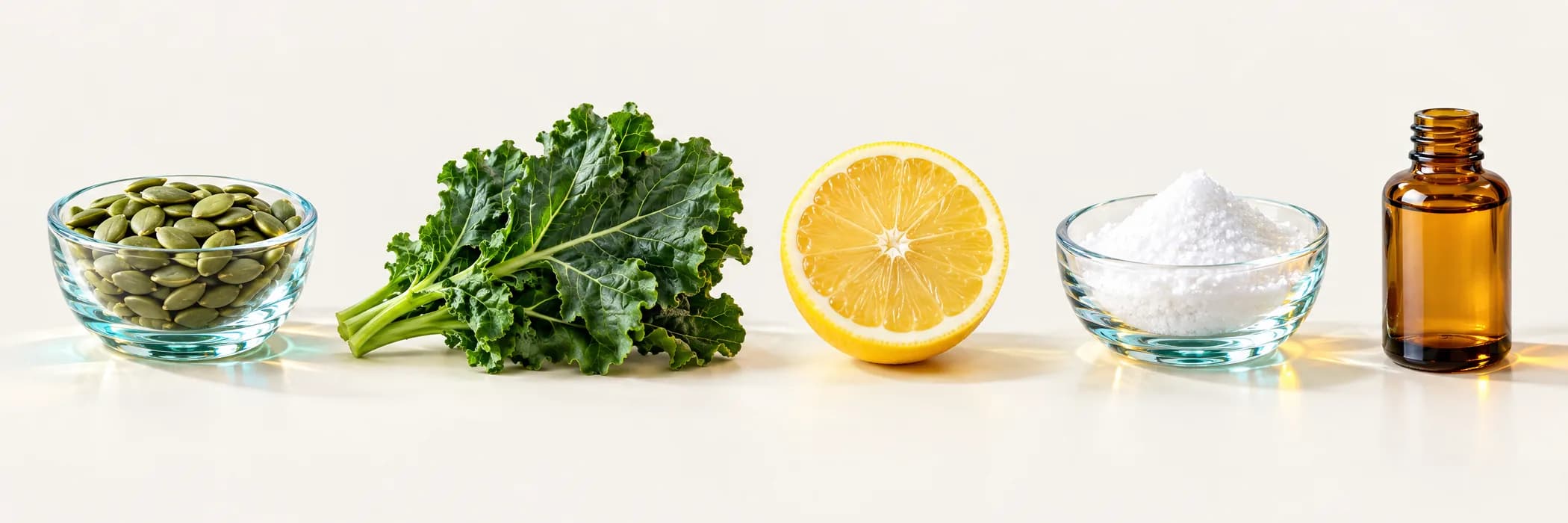
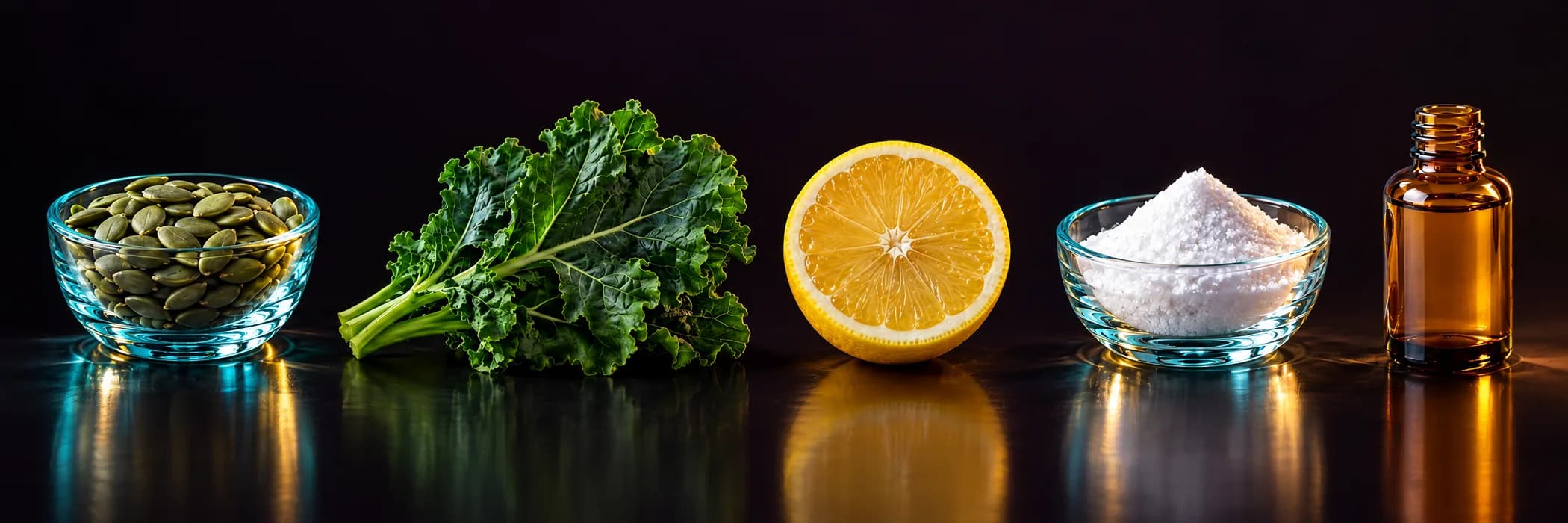
Immune support runs on nutrition, so people cover these basics alongside the course.
Feed the thymus and T-cellsZinc, vitamin D and selenium are most tied to thymus and T-cell function.
- Zinc 15–30 mg:
- Needed for T-cell development; deficiency shrinks thymic output. 15–30 mg picolinate or bisglycinate daily with food, plus 1–2 mg copper bisglycinate on cycles over 4 weeks to prevent copper depletion.
- Vitamin D 2,000–5,000 IU:
- Tunes T-cell activation. The IU (international unit) range suits most adults with little sun. Take with the fattiest meal, aiming for a 25(OH)D (25-hydroxyvitamin D) blood level of 50–80 ng/mL.
- Selenium 100–200 mcg:
- Antioxidant defense, via glutathione peroxidase, for immune cells. Brazil nuts (1–2 per day) or selenomethionine. Do not exceed 400 mcg/day, as the safe window is narrow.
Building blocks for immune cellsProtein is the raw material, and vitamin C is the defense nutrient immune cells burn fastest.
- Protein ≥1.2–1.6 g/kg/day:
- Antibodies, cytokines and immune cells are built from amino acids; low protein impairs immunity. Sources: meat, fish, eggs and legumes.
- Vitamin C 500–1,000 mg:
- Immune cells burn through it fast during an immune challenge. Divided doses (250–500 mg twice daily) hold blood levels better than one large dose.
Protect immune recoverySleep and stress govern immune function more than any capsule.
- Sleep 7–9 hours:
- Natural killer cell activity, T-cell response and cytokine signaling all drop after poor sleep.
- Stress management:
- Chronically high cortisol lowers T-cell counts and shrinks the thymus. Fixing the stress behind it pays off most.
Side effects and what to watch
What people notice. No serious harm has been documented. Khavinson-line bioregulators are generally described as well tolerated in the product material.
Worth knowing. No safety study of Vladonix itself has been published. The extract form carries the general considerations of any biological extract, such as reactions to foreign protein and batch-to-batch variation.
Common questions
How is Vladonix dosed?
Most people take one 10 mg capsule twice a day, 20 mg/day in total, over a roughly 15–30 day course. It is swallowed with water, commonly 10–15 minutes before a meal.
Do I need to cycle it?
Yes, it runs as a course. A roughly 15–30 day course is repeated a few times a year, for example quarterly, with a break at least as long as the course.
What is Vladonix made of?
It depends on the form. Cytomax is a thymus-tissue extract, a mix of peptides with no single formula or sequence. Cytogen is a synthetic form claimed to use short peptides, plausibly the dipeptides Lys-Glu (KE) and Glu-Trp (EW).
Is it the same as Thymalin?
It carries the same thymic-peptide idea as Thymalin, but the two are not confirmed identical. Thymalin is the injectable extract the Khavinson research studied. Vladonix is the oral capsule product.
Can I run it with Thymosin Alpha-1?
Yes. Thymosin Alpha-1 is a single, sequenced thymic peptide with peer-reviewed human data. People run it at 1.5 mg under the skin twice weekly, with Vladonix at 20 mg/day as its own 15–30 day course.
Deep dive
Doses used in studies · Molecular identity · References
09From the researchDoses used in studies
These rows are the Khavinson school's thymic-peptide research, published under the Thymalin name, plus the retail capsule pattern people run.
| Dose | Route | Model | Outcome | Sources: |
|---|---|---|---|---|
| Not Vladonix-specific | In vitro / modelling | Thymalin actives study, KE/EW dipeptides & gene expression (Linkova 2023) | Defines Thymalin as a thymus EXTRACT and names KE/EW as its actives; the basis for inferring (UNVERIFIED) Vladonix's synthetic-form identity, but studied Thymalin, not Vladonix | PMID 37686182 |
| Not Vladonix-specific | Clinical context | Khavinson-school COVID-19 complex-therapy report (2021) | Hematopoietic stem-cell differentiation activator in complex therapy; Khavinson-school clinical-context claim, about the thymic-peptide concept generally, not Vladonix | PMID 33575961 |
| Not Vladonix-specific | Animal (aging) | Pineal/thymus aging study, Adv Gerontol 2004 (Russian school) | Older Russian-school thymus/aging work; representative of the single-school corpus Vladonix's claims borrow from, not a Vladonix study | PMID 15490729 |
| 20 mg/day (2 caps) ×15–30 d | Oral capsule (10 mg/cap; 20 mg/day) | Commercial vendor usage pattern (UNVERIFIED; marketing, not trial) | Typical retail 'bioregulator' cycle; no peer-reviewed efficacy data, not clinically established, no Vladonix trial behind it | Khavinson-line vendor material (CITED) |
10ChemistryMolecular identity
- What it is
- Commercial Khavinson-line thymus 'bioregulator' (Cytomax extract form and/or Cytogen synthetic form)SPIBG/Cytomax-Cytogen commercial line (CITED)
- Defined single molecule?
- No. Natural (Cytomax) form is a thymic peptide extract/mixturePubChem PUGREST.NotFound for 'Vladonix' / 'Cytomax peptide'
- Molecular formula
- Not applicable (extract); UNVERIFIED for any synthetic formPubChem NotFound
- Claimed synthetic actives
- Short peptides of the KE (Lys-Glu) / EW (Glu-Trp) family, product-specifically UNVERIFIED for VladonixLineage inference from PMID 37686182 (Thymalin actives); NOT Vladonix-confirmed
- CAS / UNII
- Not applicable, not asserted (undefined product identity)No CAS or UNII; no single defined molecule for 'Vladonix'
- Molecular target
- No defined molecule and no classic receptor; claimed thymic/immune 'bioregulator' effect inherited from the Thymalin concept (not Vladonix-specific)Khavinson-school framework (not independently established)
- Half-life
- Not established (undefined product; no pharmacokinetics)Not established
- Vladonix-specific PubMed literature
- None ('Vladonix' returns 0 PubMed records)PubMed esearch (verified 2026-05-30)
- Evidence base
- Borrowed entirely from the general Thymalin / thymic-peptide corpus (293 Thymalin hits), single-school (Khavinson/SPIBG)PubMed counts
- Regulatory status
- NOT FDA-approved; Russian peptide-bioregulator / dietary-supplement (БАД) channel; Western grey-market onlyAbsence of FDA record; commercial sources (CITED)
11Primary sourcesReferences
- PMID 37686182Linkova et al., Int J Mol Sci 2023. KE/EW dipeptides as actives of the Thymalin thymus EXTRACT (studied Thymalin, not Vladonix)
- PMID 33575961Khavinson-school report, Stem Cell Rev Rep 2021. Hematopoietic stem-cell differentiation activator in COVID-19 complex therapy (thymic-peptide concept, not Vladonix)
- PMID 15490729Adv Gerontol 2004. Pineal-gland peptide factors and thymus/bone-marrow rhythms in aging animals (Russian school)
- Khavinson-line vendor material (CITED)Commercial Cytomax/Cytogen 'Vladonix' product material. Retail dosing pattern (secondary, marketing only, UNVERIFIED)
Reviewed by Ki Researcher Team · Research use only · Not medical advice · Updated 2026-09-24