
Cortagen (AEDP)
Khavinson 'Cytogen' tetrapeptide · designed from the Cortexin brain-cortex extract
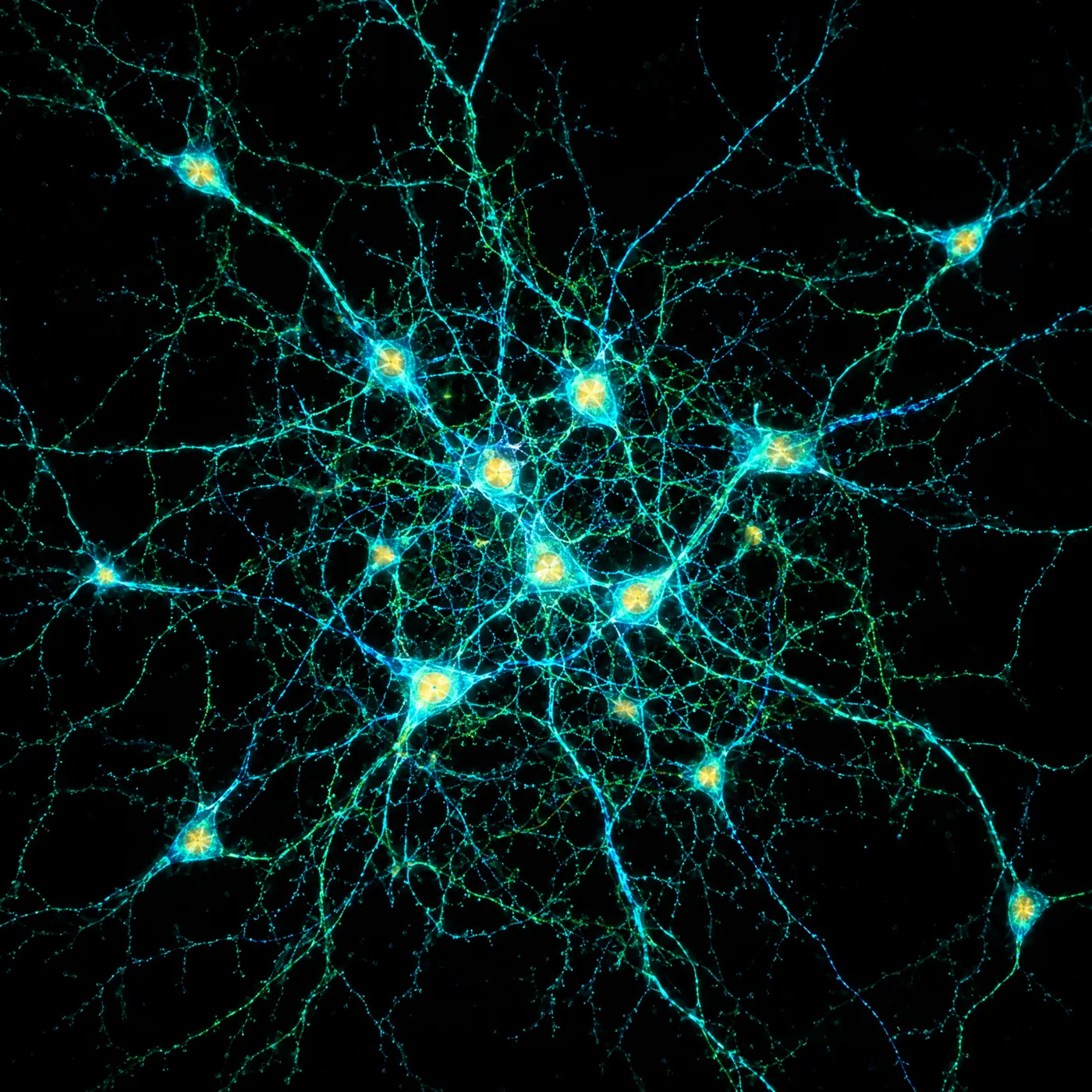
Cortagen is a four-amino-acid peptide (Ala-Glu-Asp-Pro) developed at Vladimir Khavinson's St. Petersburg institute, designed from Cortexin, a brain-cortex extract. People run it for nerve repair and clearer daytime thinking. In rat studies it sped sciatic-nerve regeneration and improved nerve conduction.
At a glance
- Dose
- 0.1–0.5 mg a day
- How often
- Once a day through the course
- How
- A small injection under the skin
- When
- Morning, to match its daytime-cognition lean
- Cycle
- 5–10 days on, repeated every 3–6 months
The 30-second versionEverything on this page, fast
Brain Cortex Peptide · Nerve Repair · Khavinson Bioregulator · Cognition
The brain-cortex peptide of the Khavinson bioregulator family. In rat studies it sped nerve regeneration and improved nerve conduction. People run it as the cortex piece of the set, for nerve repair and clearer daytime thinking.
The basics
- A synthetic four-amino-acid peptide (Ala-Glu-Asp-Pro, AEDP) from Vladimir Khavinson's 'Cytogen' line. A single defined molecule, not an extract.
- Designed from the amino-acid analysis of Cortexin, the brain-cortex extract, so it carries Cortexin's lineage in one small compound.
Why people use it
- Faster nerve repair. Rat sciatic-nerve studies reported faster regeneration (~+27% growth rate) and better conduction (~+40%).
- Cortical neuroprotection. A rat chronic-ischemia study described it as a corrector of brain metabolic disorders.
- Run for daytime clarity. People run it for clearer daytime thinking as the cortex piece of the one-peptide-per-tissue bioregulator set.
- Pairs with Semax. Commonly run alongside Semax, which adds documented BDNF (brain-derived neurotrophic factor) support to the stack.
Stacks well with
- Semax is the go-to pairing. Its documented BDNF and nerve-growth support anchors the stack.
- Pinealon covers a different tissue slot in the same Khavinson family and broadens the bioregulator stack.
Good to know
- Run it as a course, the Khavinson way. Short pulses, not a daily habit.
- It is the cortex piece of the bioregulator set, so it goes in for cortical and cognitive goals and slots beside the rest of the system.
- Cortagen is not Cortexin. Cortexin is the extract it was designed from, and the two are separate compounds.
What it does
Cortagen is the brain-cortex peptide of Khavinson's bioregulator family. Here is what people run it for.
- Faster nerve regenerationIn rat sciatic-nerve studies it sped nerve regeneration and improved nerve conduction, so people reach for it for nerve recovery.
- Cortical neuroprotectionA rat study of chronic cerebral ischemia (low brain blood flow) described it as a corrector of brain metabolic disorders.
- Run for daytime clarityPeople run it for clearer daytime thinking as the cortex member of Khavinson's one-peptide-per-tissue set.
- Pairs with SemaxCommonly stacked with Semax, which adds documented BDNF (brain-derived neurotrophic factor, the brain's own growth and repair signal) support.
- A short, defined courseLike the rest of the family, it runs in brief pulsed courses of around 5–10 days, not daily without end.
How it works
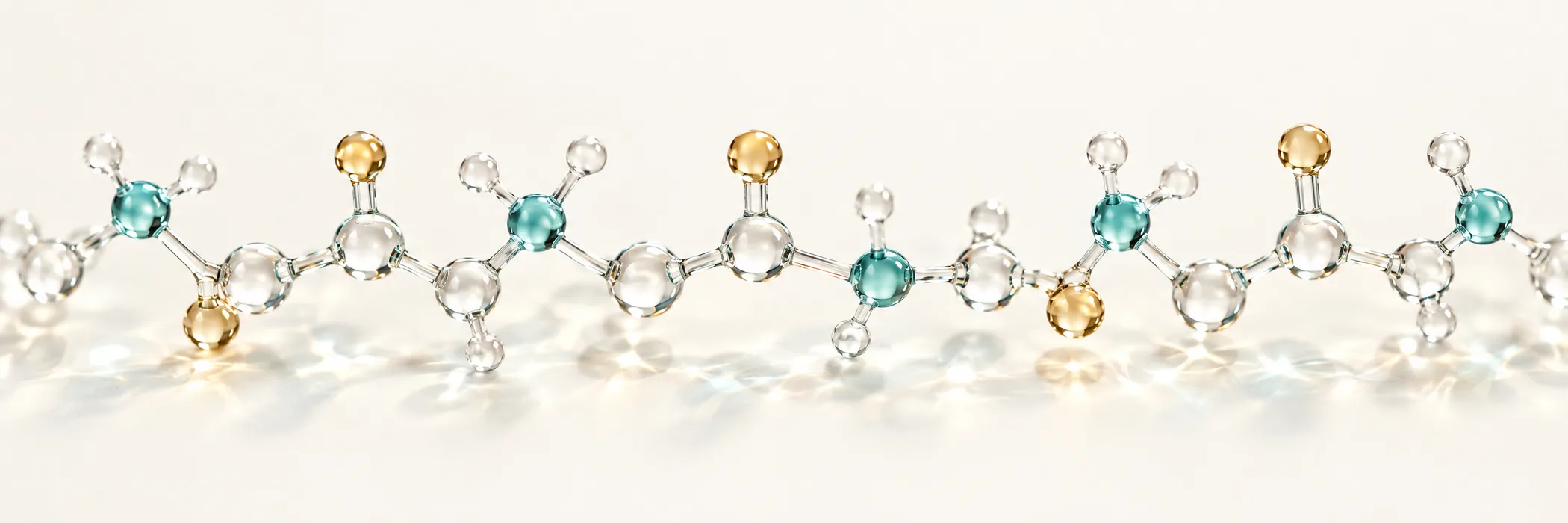
Tunes gene activity. Khavinson's model holds that ultra-short peptides enter cells and their nuclei, bind specific DNA sites and adjust which genes switch on. The goal is to bring age-shifted gene activity in one tissue back toward normal.
Aimed at the brain cortex. Cortagen is the cortex member of the family. Its proposed effects are nerve-growth support, protection during ischemia (low blood flow), antioxidant action and immune modulation.
What the studies show. In rats it sped sciatic-nerve regeneration and improved nerve conduction. In a mouse gene screen it changed the activity of roughly 110 genes in heart tissue.
How to dose it
Most people run Cortagen as a small injection under the skin, once a day, in short pulsed courses.
Dose tiersMost people run 0.1 to 0.5 mg a day for 5 to 10 days.
- Rat study dose:
- 10 µg/kg intramuscularly (into the muscle) once daily for 10 days in rats (Turchaninova 2000, PMID 11276314). A rat dose, not a human amount.
- Common range:
- Longevity and Khavinson-bioregulator users run short courses of 0.1–0.5 mg subcutaneously (under the skin) daily for 5–10 days.
- Route:
- An injection under the skin. The rat studies injected into the muscle.
How to injectAn injection into belly, love-handle or thigh fat, rotated between doses.
- Injection site:
- Abdomen (a couple of inches clear of the navel), outer thigh or love handles. Rotate sites between doses to avoid local irritation and fatty lumps (lipohypertrophy).
- Measuring the dose:
- Draw it on a U-100 insulin syringe. At 10 mg + 2 mL bacteriostatic water (5,000 mcg/mL), 250 mcg takes 5 syringe units. The calculator handles any vial size.
- Time of day:
- Morning, to match its daytime-cognition use. See Best time to take it below.
- Food window:
- Inject with or without food.
Cycle and breaksKhavinson peptides run as short pulsed courses, repeated every 3 to 6 months.
- Standard course:
- 5–10 days of daily injections under the skin, matching the rat study design and the Khavinson short-course pattern.
- Repeat interval:
- Khavinson protocols repeat courses every 3–6 months.
- Why short courses:
- The published studies used short courses, and the bioregulator model proposes a short-lived gene-tuning effect.
Mixing the vialA 10 mg vial plus 2 mL bacteriostatic water gives 5,000 mcg per mL.
- Mixing:
- 10 mg vial + 2 mL bacteriostatic water = 5,000 mcg per mL.
- On the syringe:
- On a 100-unit (1 mL) insulin syringe, 100 mcg takes 2 units, 250 mcg takes 5 units, 500 mcg takes 10 units and 1,000 mcg takes 20 units.
- Why 2 mL:
- It matches the calculator default for this vial size and keeps small microgram doses easy to measure on a standard insulin syringe.
Sources:PMID 11276314PMID 15159690
Best time to take it


Implied best time
Morning (or consistent)
Most people take Cortagen in the morning. A consistent daily time matters more than the exact hour.
- It is run for daytime cognition and mental clarity, so a morning dose lines up with the hours people want that effect.
- Unlike Epitalon or Pinealon, it has no pineal or body-clock angle pulling it toward the evening.
- It runs in short courses of around 5–10 days, so holding the same daily slot through the course is the practical priority.
What to stack it with


Good pairings reach the same brain goal from a different angle.
Cortagen + SemaxSemax adds documented BDNF support to Cortagen's cortex bioregulator action.
- Why it works:
- Semax, a synthetic ACTH(4-7) analog, raised BDNF and protected nerve cells in several independent rodent models, with some human clinical work in Russia. Cortagen takes a proposed gene-tuning route.
- The protocol:
- Cortagen 0.1–0.5 mg daily under the skin for a 5–10 day course, plus Semax 300–600 mcg/day intranasally in split doses. Run the two courses together or in sequence.
- Outcome:
- Run for general cognitive and neuroprotective goals, with Semax as the anchor.
Cortagen + PinealonA same-family pair. Pinealon covers the pineal and nervous system, Cortagen the brain cortex.
- Why it works:
- Pinealon (Glu-Asp-Arg) is another Khavinson Cytogen peptide, for pineal and neurological anti-aging. The Khavinson framework runs tissue-specific bioregulators together, each on a different target.
- The protocol:
- Cortagen 0.1–0.5 mg + Pinealon 0.1–0.5 mg, both under the skin once daily for 5–10 days. Both run short courses, repeated every few months.
- Outcome:
- Run in longevity circles for broad nerve and cognitive anti-aging support.
Cortagen vs CortexinCortexin is the extract Cortagen was designed from. They are separate compounds, not a stack.
- The distinction:
- Cortexin is a multi-peptide extract of bovine brain cortex, used clinically in Russia and some Eastern European countries. Cortagen is one synthetic four-amino-acid peptide designed from it.
- Why they are not stacked:
- Cortexin already contains Cortagen-like (AEDP-like) peptides, so adding Cortagen overlaps rather than adds a new mechanism.
Support nutrients
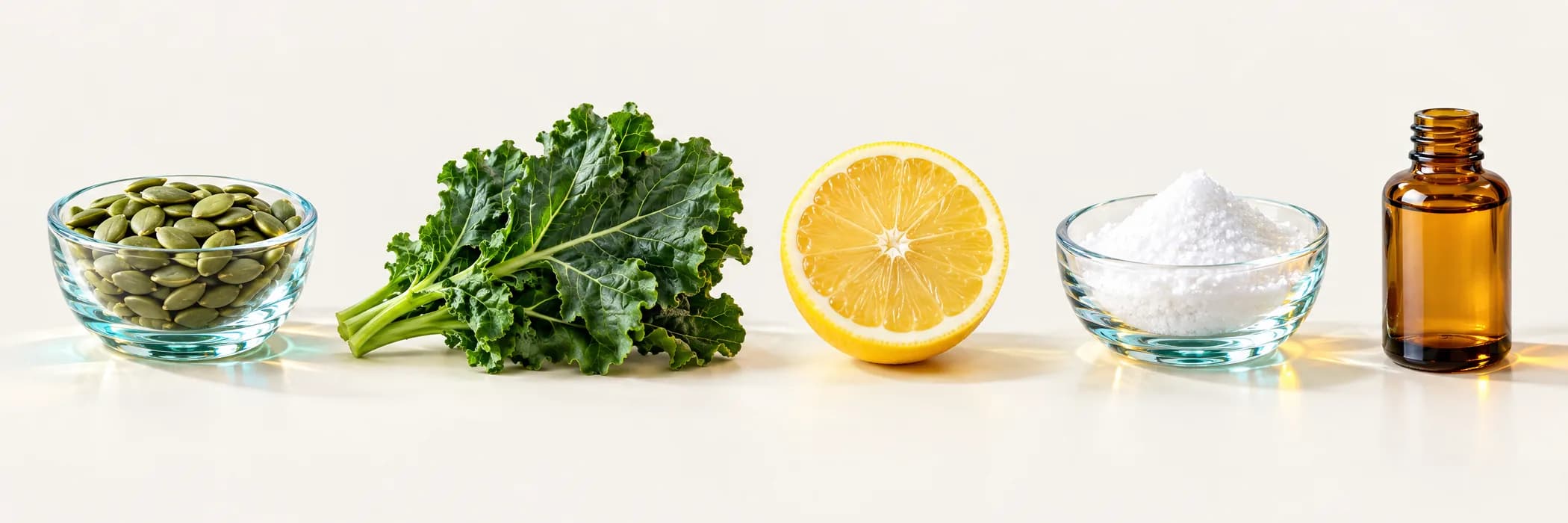
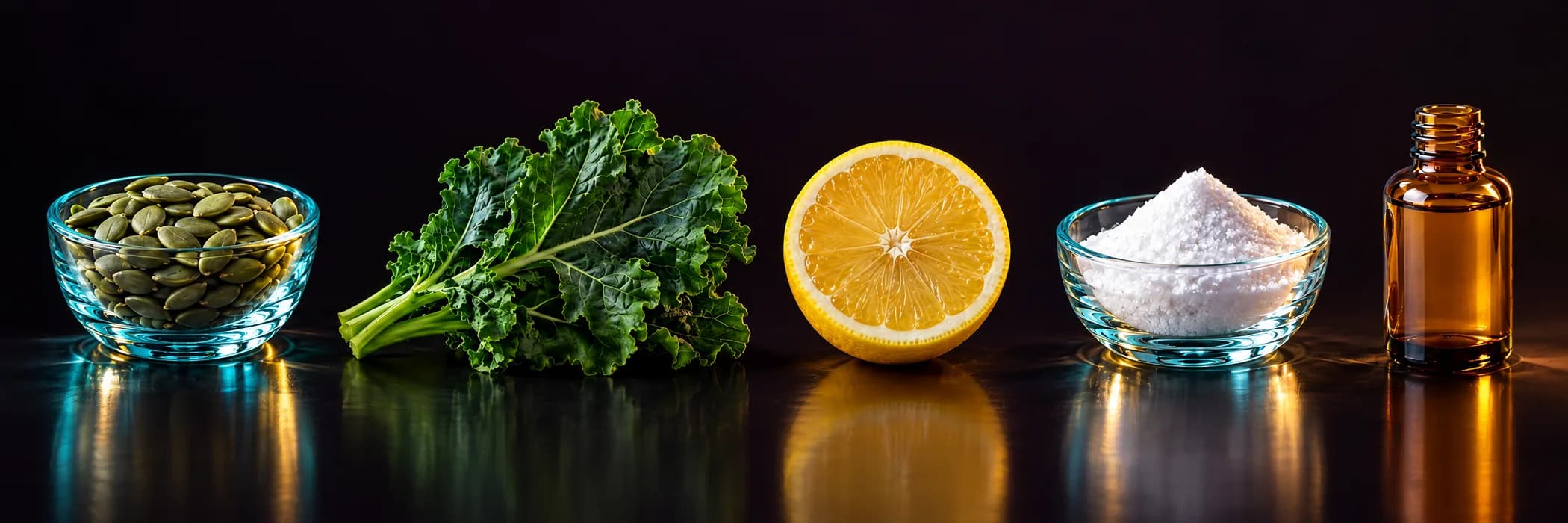
The nutrients and habits brain and nerve tissue run on, matched to what Cortagen is used for.
Nerve building blocksThe raw materials brain and nerve repair draw on.
- Omega-3 DHA:
- 2–3 g combined EPA/DHA (omega-3 fats) daily, from fish oil or algal DHA. The brain is built from DHA, and nerve membranes need it.
- B6 / B9 / B12:
- B12 500–1,000 mcg (methylcobalamin preferred), folate (B9) 400–800 mcg and B6 1–2 mg, taken with food. All three keep myelin and nerve signalling healthy.
- Adequate dietary protein:
- ~1.6–2.2 g/kg bodyweight daily. Nerve repair draws on amino acids.
Boost BDNF and overnight brain clearanceExercise and sleep lead the way, with magnesium on top.
- Aerobic exercise:
- 20–45 min moderate-intensity cardio 4–5×/week is the most robust driver of BDNF, the brain's own growth and repair signal.
- Sleep (7–9 hours):
- The brain's overnight waste clearance (the glymphatic system) runs almost entirely during sleep.
- Magnesium glycinate or threonate:
- 200–400 mg magnesium glycinate nightly, or magnesium L-threonate 1.5–2 g for the brain-penetrant form. It supports nerve signalling.
Antioxidant coverVitamins C and E plus polyphenols back the nervous system's antioxidant defenses.
- Vitamin C:
- 500–1,000 mg/day. The main water-soluble antioxidant, protecting busy nerve tissue from oxidative stress.
- Vitamin E (mixed tocopherols):
- 200–400 IU/day (international units) with food. The fat-soluble antioxidant that protects nerve-cell membranes, working alongside vitamin C.
- Polyphenol-rich diet:
- Berries, leafy greens, dark chocolate and green tea help keep neuroinflammation in check. The overall diet matters more than any one extract.
Dose calculator
Reconstitution calculator
Calculated for a 1 mL U-100 insulin syringe (100 units/mL).
Units per dose
6 units
Draw this many units on a U-100 syringe
Each unit holds 50 mcg
- Volume per dose
- 0.06 mL
- Doses per vial
- 33
- Concentration
- 5 mg/mL
One vial lasts
- Daily
- 33 days
- Every other day
- 66 days
- 5×/week
- 46 days
Research use only. Not for human consumption. Outputs are reference values based on research literature. Verify all measurements independently.
Side effects and what to watch
What people notice. Little is reported. In the animal and cell studies the peptide was generally described as well tolerated.
How people handle it. Rotate injection sites between doses to avoid local irritation and fatty lumps.
Worth knowing. The published safety picture comes from rodent and cell studies, not controlled human use.
Sources:PMID 11276314
Common questions
What do people run Cortagen for?
Nerve repair, brain protection and clearer daytime thinking. In rats it sped sciatic-nerve regeneration and improved nerve conduction, and a chronic-ischemia study described it as a corrector of brain metabolic disorders.
How is Cortagen dosed?
Most people run 0.1 to 0.5 mg a day as an injection under the skin, for a 5 to 10 day course. The rat studies used 10 µg/kg into the muscle once daily for 10 days.
When do people take it?
In the morning, to match its daytime-cognition use. A consistent daily time across the course matters more than the exact hour.
Do I need to cycle Cortagen?
Yes. It runs as a 5 to 10 day course, repeated every 3 to 6 months, the Khavinson short-course pattern.
What does Cortagen stack with?
Semax is the go-to pairing and adds BDNF support. Pinealon is a same-family Khavinson peptide for the pineal and nervous system, run on the same short-course schedule.
Is Cortagen the same as Cortexin?
No. Cortexin is a complex extract of cattle brain-cortex peptides. Cortagen is one synthetic peptide (Ala-Glu-Asp-Pro) designed from Cortexin's amino-acid analysis. Stacking the two overlaps rather than adds a new mechanism.
Deep dive
Doses used in studies · Molecular identity · References
10From the researchDoses used in studies
These are the doses and designs used in the published rat and mouse studies.
| Dose | Route | Model | Outcome | Sources: |
|---|---|---|---|---|
| 10 µg/kg daily ×10 d | IM (rats) | Rat sciatic-nerve regeneration (Turchaninova 2000, Bull Exp Biol Med) | Reported increased sciatic-nerve growth rate (~+27%) and conduction velocity (~+40%), a rodent nerve-regeneration signal, not a clinical outcome | PMID 11276314 |
| In vivo | In vivo (rats) | Injured-nerve functional restoration (Kolosova 2002, Doklady Biological Sciences) | Reported a delayed effect of Cortagen on functional restoration of an injured nerve, an animal recovery signal | PMID 12134478 |
| In vivo | Microarray (mouse) | Mouse heart cDNA-microarray gene screen (Anisimov 2004, Neuro Endocrinol Lett) | Altered expression of ~110 genes, a single descriptive transcriptome screen, and notably in heart, not brain; this is the paper that defines Cortagen = Ala-Glu-Asp-Pro from Cortexin | PMID 15159690 |
| In vivo | In vivo (rats) | Chronic cerebral ischemia, brain metabolic correction (Zarubina 2011, Eksp Klin Farmakol) | Cortexin and Cortagen reported as correctors of brain metabolic disorders in chronic ischemia, a rodent neuroprotection signal from a school-affiliated group | PMID 21476278 |
11ChemistryMolecular identity
- Molecular weight
- 430.4 g/mol (structure-record value)
- UNII
- Unverified, not asserted
- Sequence (4 AA)
- Ala-Glu-Asp-Pro (AEDP), defined synthetic tetrapeptidePMID 15159690 (Anisimov 2004); NCBI MeSH UI 67431545
- Structure / class
- Synthetic tetrapeptide derived from the Cortexin brain-cortex extract; Khavinson 'Cytogen' bioregulatorPMID 15159690; Khavinson-school literature
- Molecular formula
- C₁₇H₂₆N₄O₉ (structure-record value, undefined stereo)PubChem CID 17906670 (flat connectivity structure)
- Monoisotopic mass
- 430.16998 Da (structure-record value, undefined stereo)PubChem CID 17906670
- InChIKey
- PLTRIMAUDDQYRV-UHFFFAOYSA-N (undefined-stereo structure)PubChem CID 17906670
- CAS number
- Unverified, not assertedNo CAS in PubChem xrefs for CID 17906670
- PubChem record
- CID 17906670 (structure only; name 'Cortagen' does not resolve by name, PUGREST.NotFound)PubChem
- Water solubility
- Highly water-soluble (computed XLogP −6.5)PubChem CID 17906670 (computed)
- Molecular target
- No classic receptor; claimed brain-cortex/CNS gene-expression modulator (neuroprotection, nerve regeneration). Single-school positioning; one microarray screen was in mouse heart, not brainKhavinson-school 'tissue-specific peptide' framework
- Half-life
- Not established (no published human pharmacokinetic data; only an animal research dose exists)Not established
- Regulatory status
- Not approved by any major drug regulator; no independent Western trials locatedNo NDA/BLA/EMA record located
12Primary sourcesReferences
- PMID 11276314Turchaninova LN et al., Bull Exp Biol Med 2000. IM Cortagen 10 µg/kg ×10 d increased sciatic-nerve growth rate (~+27%) and conduction velocity (~+40%) in rats
- PMID 12134478Kolosova LI et al., Doklady Biological Sciences 2002. Delayed effect of Cortagen on functional restoration of an injured nerve (rat)
- PMID 15159690Anisimov SV et al., Neuro Endocrinol Lett 2004. Microarray: Cortagen altered ~110 genes in mouse heart; defines Cortagen = Ala-Glu-Asp-Pro from Cortexin
- PMID 11713572Khavinson VK et al., Bull Exp Biol Med 2001. Tissue-specific effects of short peptides (school mechanism framing)
- PMID 21476278Zarubina IV et al., Eksperimental'naia i Klinicheskaia Farmakologiia 2011. Cortexin & Cortagen as correctors of brain metabolic disorders in chronic ischemia (rat)
- PubChem CID 17906670PubChem structure record, connectivity structure (undefined stereo); name 'Cortagen' does not resolve by name. Formula/MW are structure-record values
Reviewed by Ki Researcher Team · Research use only · Not medical advice · Updated 2026-09-24